Wicked's Marissa Bode Is Finding Magic in Herself
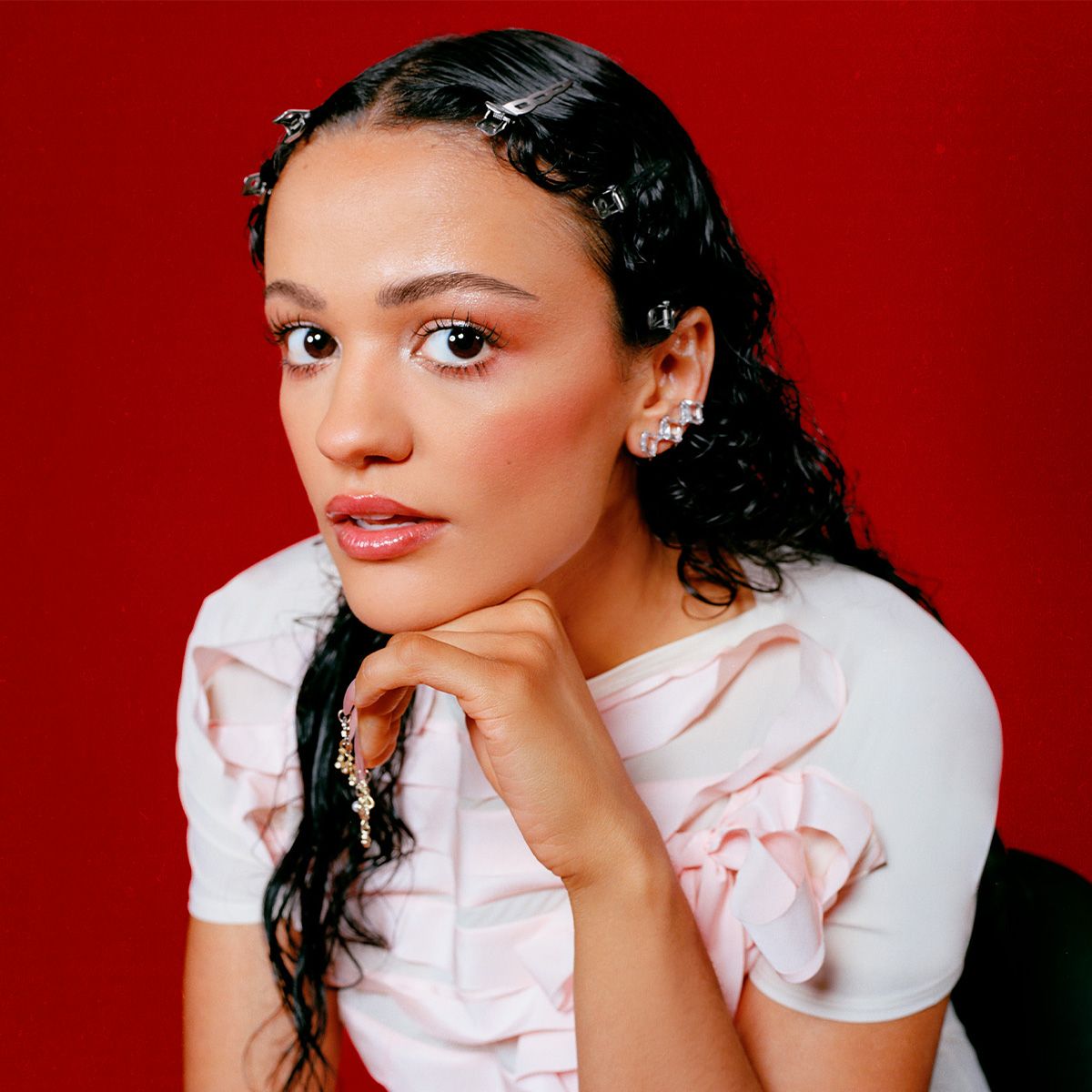
Marissa Bode knows her character, Nessarose, in Wicked: For Good isn't the most beloved. She's seen the memes, she's seen the tweets, and she's seen the discourse. Nessarose—the tightly wound, morally gray younger sister of Elphaba Thropp (played by Cynthia Erivo)—has long lived in the same cultural purgatory as the internet's favorite low-stakes villains, such as Nate from TheDevil Wears Prada. Bode doesn't flinch at that reputation, though. If anything, the 25-year-old actress sees a version of herself in it.
"I have an immense amount of empathy for her," Bode says. It's a deep-rooted feeling she's had since first stepping into the world of Oz back when filming began in 2022. Bode is the first wheelchair-using actor in the musical's history to portray Nessarose, an overdue milestone that's reverberated across disability-advocacy spaces. While the internet may not agree with Nessarose's choices, Bode understands the emotional terrain intimately. "I know she's not everybody's favorite character, but I understand her so completely, especially from a disabled person's perspective," she says. "I wish that audiences allowed for more complex disabled characters because, so many times, we're infantilized or victimized on-screen. Nessarose is so complex, and sure, she does take on more of a villain role, but I don't think she's just that either. At the end of the day, she wants to be loved but, more than anything, wants to be seen as a human being who has that autonomy. I see the humanity in her in that way."
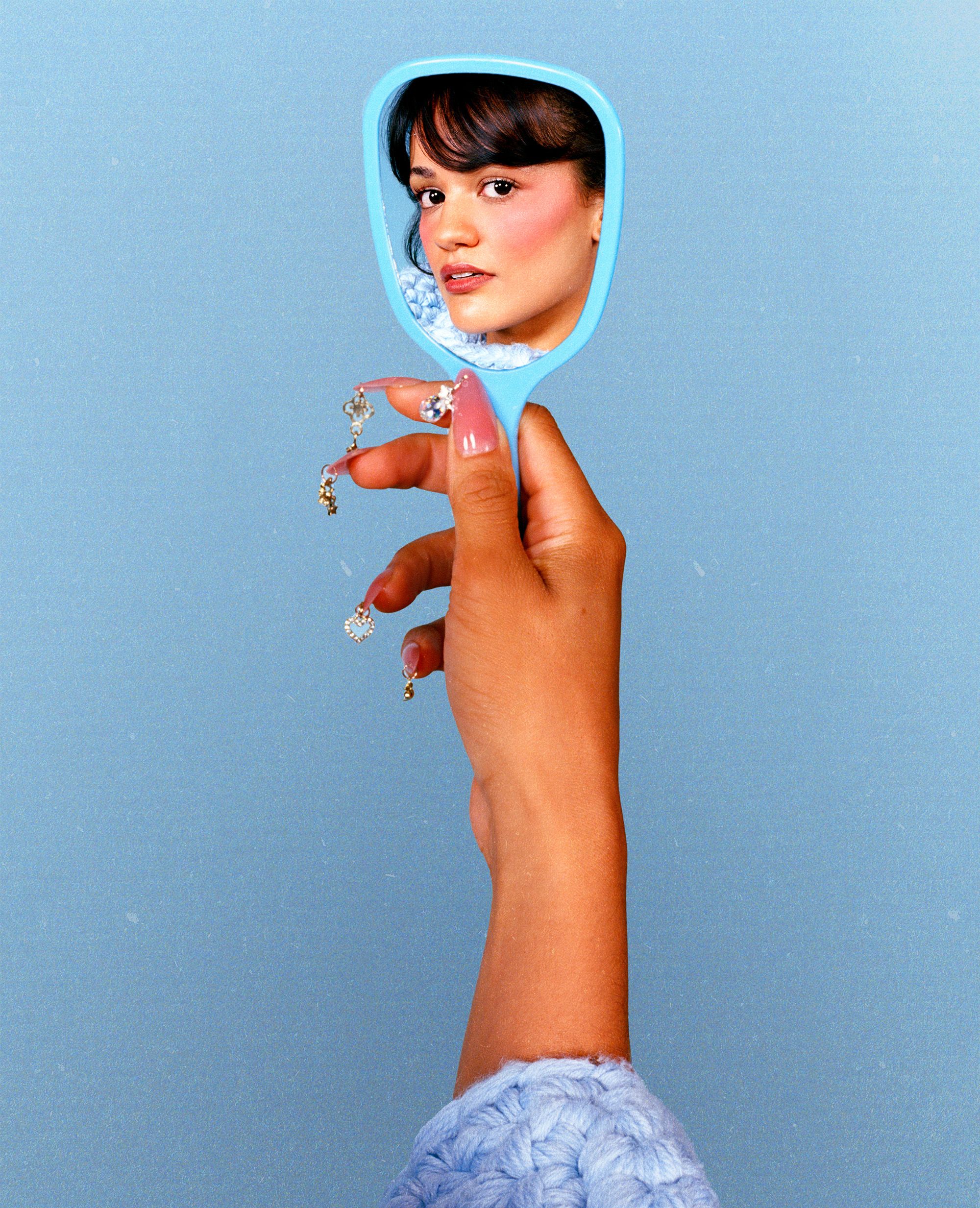
That clarity of who Bode is, despite the Hollywood of it all, is part of what makes her so disarming. When she logs onto Zoom a few weeks shy of Wicked: For Good hitting theaters, she radiates a kind of unfiltered honesty that's rare among young actors. Long gone are the days of overly media-trained statements, and in their place is an authenticity that flows through every minute of our conversation. At the top of our call, Bode joins the meeting beaming. It's the day after Election Day, where progressive candidates and proposals had a sweeping victory across the country. "I feel a little sliver of hope," she says, nodding to the previous day's events. Bode, who is Black, queer, and disabled, is acutely aware of her place in the world and her newfound platform to push back against any standards that might confine her.
That awareness didn't come out of nowhere. Bode first saw Wicked onstage when she was 11. The production was bittersweet—although Nessarose's character was one of the first depictions of disability she had seen in theater, the actor actually playing Nessarose wasn't disabled. Nevertheless, the experience was a fated connection, sparking Bode's interest in her local community theater in Wisconsin and, later, a full-fledged commitment to a career in the arts. After graduating from the American Musical and Dramatic Academy, Bode moved out to Los Angeles to look for something, anything that would pay the bills. "It took me a really long time to find any survival job, especially as a disabled person," she adds. After working for a year as a part-time after-school art teacher, she sent in an audition tape for Wicked.
"The audition process was really intimidating," Bode admits. Over a series of Zoom workshops with casting directors, she immersed herself in Nessarose—probing who she was, what she longed for, and how her arc might unfold across two films in a way that felt both considered and resonant with Bode's lived experience as a disabled woman. "At the last callback, I was so nervous—so, so, so nervous—and I really did think that I blew it," Bode recounts years later.
The heavy silence from producers in the weeks that followed was all but confirmation for Bode that she didn't get the role. Instead of wallowing, she made a cheeky short film about witchcraft set to "Witches" by Alice Phoebe Lou, naturally. Perhaps it was intuition, or maybe some quiet corner of her mind already understood what was coming.
In the short film, the final shot sees a wash of green light illuminating her face—a subconscious nod to her on-screen older sister, Elphaba—as if beckoning her forward. Jon M.Chu, Wicked's director, teased her by reenacting the short's ending to Bode when announcing she got the part: an off-screen knock, presumably by a witch coming to collect Bode.