
The Simple, Legal Way Trump Could Steal the Midterms
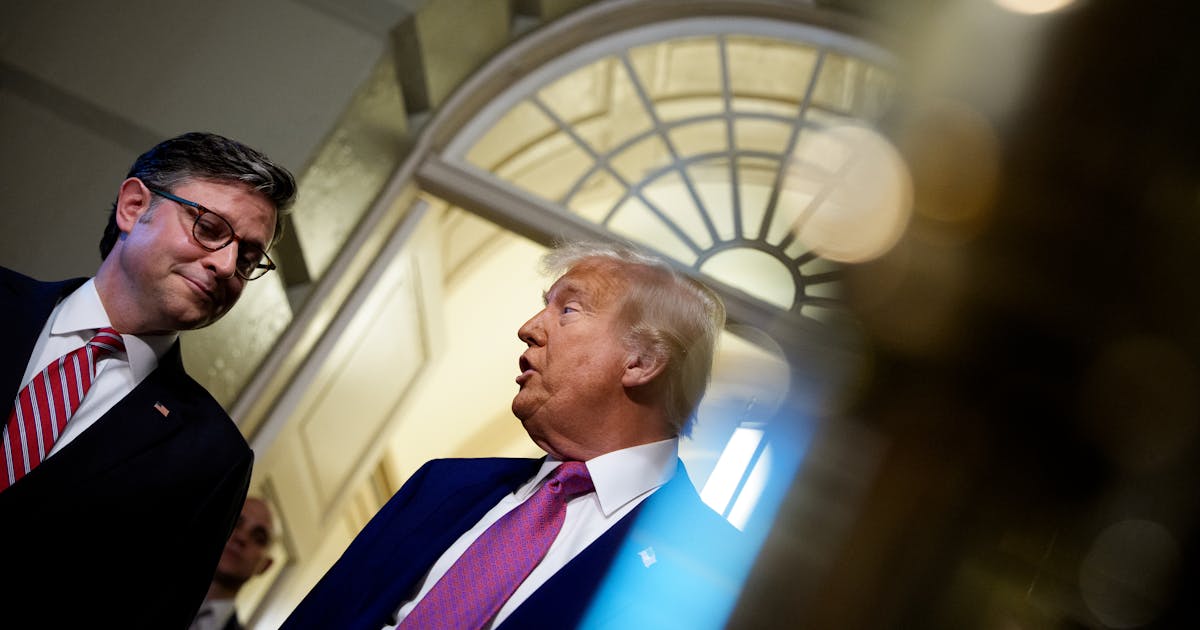

I’d like to believe that the courts would halt any effort by Trump to enact this congressional coup. After all, the Supreme Court has previously sought to limit Article I, Section 5. In Powell v. McCormack in 1969, the court ruled against the House, as it attempted to leverage this section of the Constitution to refuse a seat to reelected Congressman Adam Clayton Powell Jr., on the grounds of his well-documented corruption scandals. The court made clear that Congress could not decline a seat to a member based on its own interpretation of that member’s qualifications (or misdeeds). But it did not offer a robust check on Congress’s ability to interpret contentious election results. Would this Supreme Court go further than the Warren court? I’m not so sure.
Nonetheless, some legal experts doubt that this plan could really work. I spoke with Jeffrey Toobin, who concluded that “lots of pieces have to fall into place” because “the states run the elections, not the federal government or the Congress, and there have to be enough contested elections to even open this possibility.” He’s right, but what happens if Democrats flip a few close seats in Florida and Texas? If those seats decide who controls the House, we’re betting a lot on Ron DeSantis, Greg Abott, and Mike Johnson bucking Trump in favor of constitutional norms.
And sadly, those norms might not even exist anymore. They were based on a concept essential to a functioning and stable democracy: forbearance, which is described by Steven Levitsky and Daniel Ziblatt in their book How Democracies Die as “a collective willingness to avoid actions that respect the letter of the law but violate its spirit.”
Originally published by newrepublic.com. Syndicated material does not necessarily reflect the views of Vanity Fair Fashion.


