Perfumers Call This Rich and Sultry Fragrance

Welcome to Worldly Beauty, a quarterly franchise in which we highlight beauty products, ingredients, and traditions rooted in culture. To offer an in-depth look, we're sharing perspectives and recommendations from local experts and tastemakers. A celebration of diversity, this column goes beyond what we know to shed light on the beauty practices and philosophies that make the world go round.

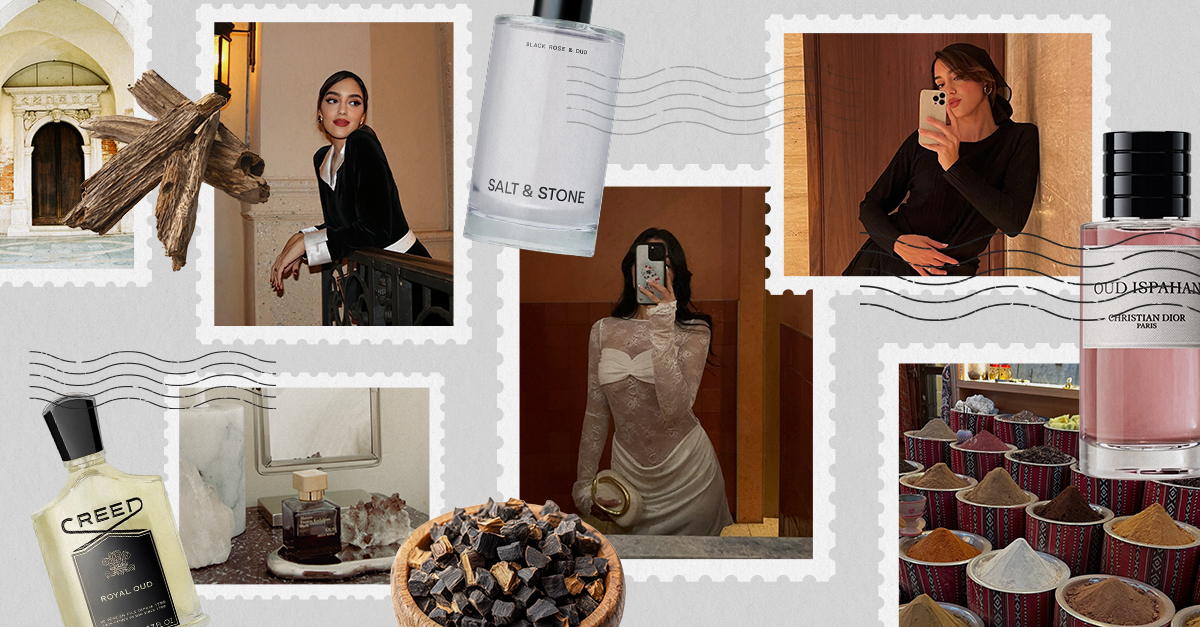
Fragrance is intimate, evocative, and rooted in time, place, and culture. That’s true of iconic perfumes: Chanel No. 5, Frédéric Malle Portrait of a Lady, and Maison Francis Kurkdjian Baccarat Rouge 540. That’s also true of singular fragrance notes and ingredients, whether it’s fragrant tuberose flowers grown in Grasse, France, citrusy bergamot sourced from sun-warmed trees in Calabria, Italy, or rich oud derived from rare, resin-soaked wood in Southeast Asia.
It’s impossible to overstate the cultural, historical, and religious significance of the latter. Oud, which takes its name from the Arabic word for wood, is known for its distinct aroma—one that experts praise for its complexity. The most common descriptors are woody, earthy, smoky, sweet, and animalic. Clearly, it’s multifaceted and slippery to categorize. Take any two oud-centric perfumes, and they will differ based on type, concentration, and auxiliary ingredients. Regardless, it’s a rare and expensive ingredient—so expensive, in fact, it’s been famously dubbed “liquid gold.” It’s no wonder oud has historically been associated with wealth and opulence.
While it's almost unfathomable to extricate it from modern perfumery, oud has been treasured for thousands of years in Southeast Asia and the Middle East, where it was (and still is) used in herbal medicine and religious rituals by people of the Islamic, Buddhist, and Hindu traditions. Estimates date back as far as 1400 BCE.
Ahead, learn more about this ingredient that’s steeped in thousands of years of history and tradition.
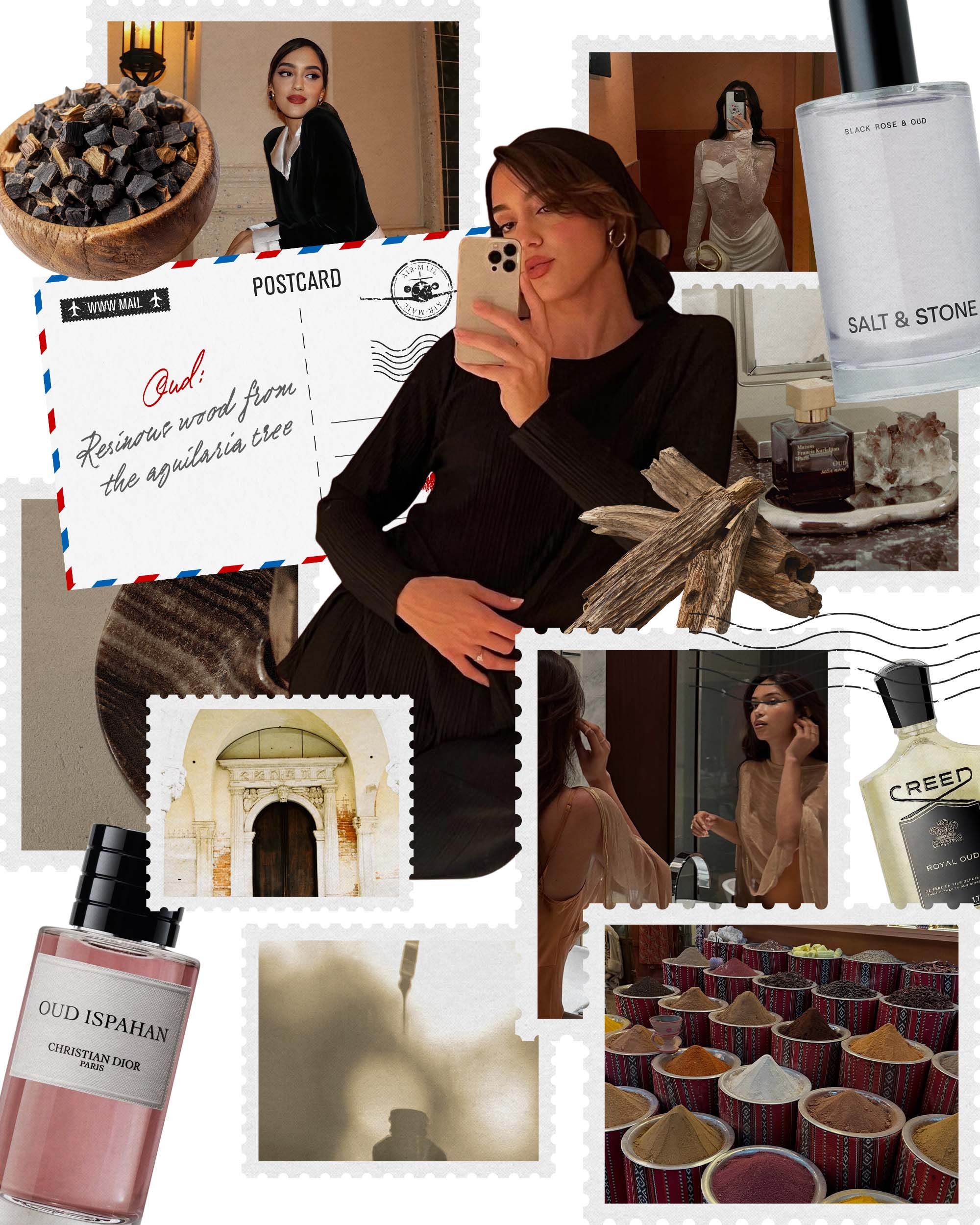
Oud is derived from the Aquilaria (Agar) tree, which is primarily found in Southeast Asia. According to DSM-Firmenich perfumers Alexandra Monet and Frank Voelkl, the tree emits a fragrant resin when it falls ill with infection. The resin soaks into the interior wood, or the “heartwood” of the tree. “The oud is then harvested by stripping and distilling the tree’s bark,” say Monet and Voelkl.
Luis Cavallo is the North American brand ambassador of Creed Fragrances. The brand’s portfolio contains multiple oud-based scents, including the recently released Oud Zarian. “For Oud Zarian, Creed works exclusively with the Jalali family, fourth-generation cultivators based in the Sylhet region of Bangladesh, who produce an exceptionally rare 80-year-aged oud,” he says. “Unlike common practices in the market, Jalali oud is produced artisanally, using a meticulous short-distillation technique that takes three days. This process typically takes three weeks, but accelerating it creates a more refined and polished olfactive impression.”