
New York City Subways Flooded (Again). Blame Trump’s Funding Cuts.
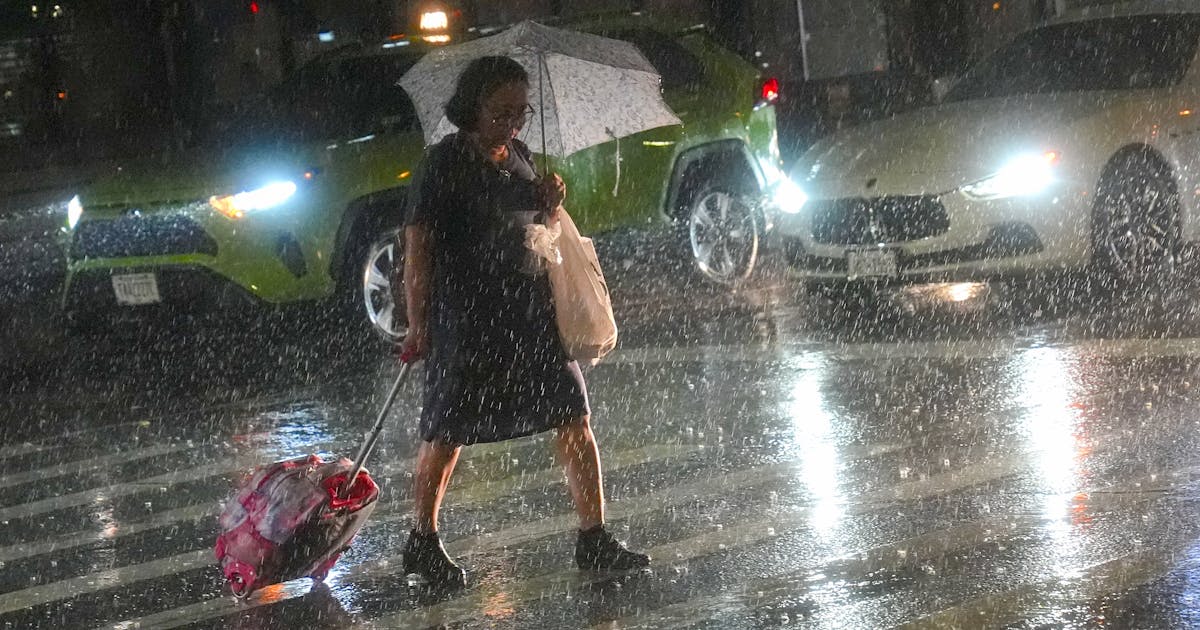
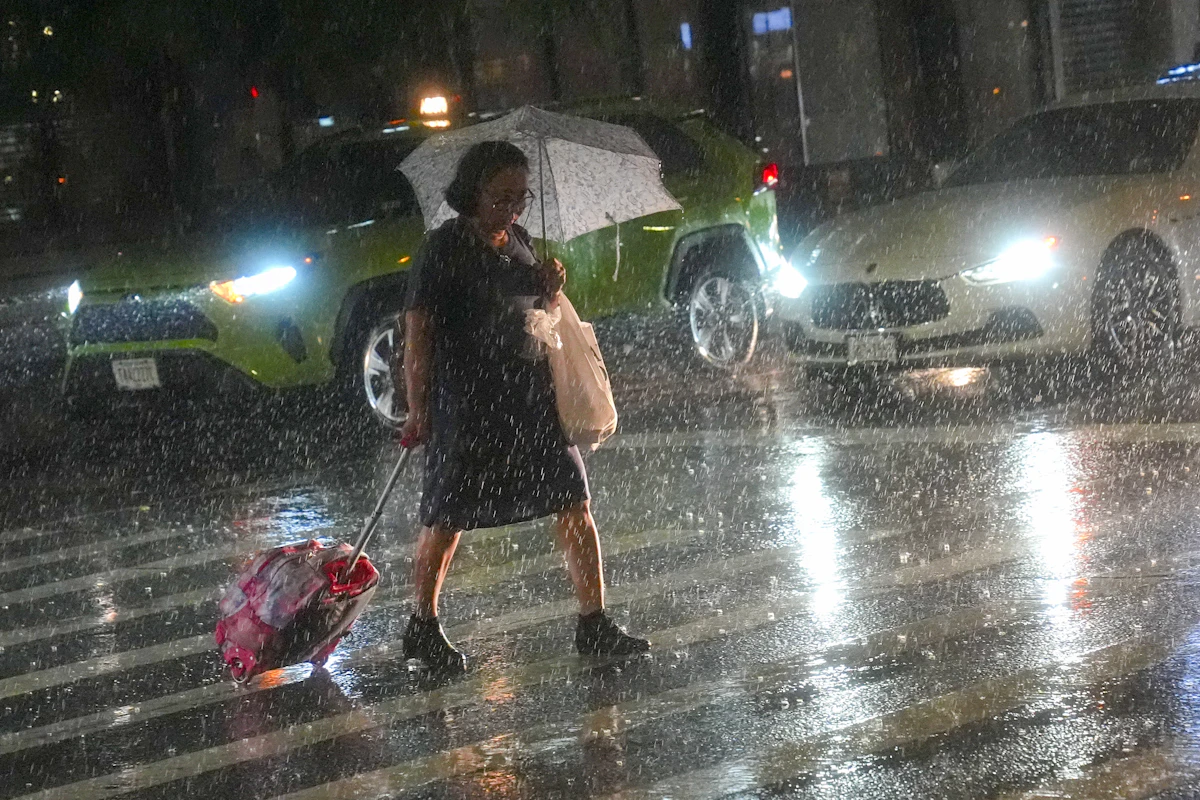
Summers in New York bring the smell of barbecue, speakers blaring at block parties, and sweaty treks to cool off at a pool or the beach. Increasingly, warmer weather here also means subways flooded by sudden downpours. Videos of water gushing through subway stations and trains have become a familiar sight for New Yorkers lucky enough not to experience such events first-hand. This year has been no exception. In just one hour on Monday evening, two inches of rain poured onto New York City—its second wettest hour ever recorded. (The top slot still belongs to 2021’s Hurricane Ida, the remnants of which deposited more than three inches in one hour, shattering a record set only weeks earlier, during Tropical Storm Henri.)
New York’s century-old subway is the most expansive in the country. Like just about every mass transit system on the planet, it is facing novel challenges wrought by the realities of a warming world, ranging from flash floods to excruciating heat. For years now, the Department of Transportation has funded researchers around the country to investigate these threats, explore how the United States’s vast transit networks can deal with them, and offer state and local officials practical solutions for future-proofing subways, bus routes, highways, and more. Since the Trump administration took office, that funding has been abruptly cut off. The climate crisis the White House denies is happening, meanwhile, is already here, and Republicans’ war on any research or programs that mention it is putting growing numbers of people at risk.
I recently spoke to a scholar with first-hand experience of these cuts. Alessandro Rigolon—an associate professor in the Department of City and Metropolitan Planning at the University of Utah—has been part of a network of researchers that the Department of Transportation’s Research and Innovative Technology Administration, which is tasked with figuring out how cities around the country can make their transit systems more resilient. Since 1987, 35 University Transportation Centers, composed of scholars from several different colleges and universities, each working on specific thematic areas, have received access to a reserved pool of federal funds to educate the transportation workforce and conduct practical research on issues ranging from congestion to disaster response to asphalt composition. Rigolon is part of a team that DOT had funded to catalog strategies that transit agencies in large and medium-size U.S. cities are using to address climate threats—reviewing municipalities’ plans for issues like flooding, extreme heat, and sea level rise, and interviewing transit and city planners about their approach to these topics and the barriers they face to making necessary changes. Grantees were also required to share the team’s findings with relevant professionals so as to “ensure that this work has practical implications,” Rigolon explained.
In early May, however, Transportation Secretary Sean Duffy issued a press release boasting about having cancelled $54 million in “woke university grants” that the department alleged were “used to advance a radical DEI and green agenda.” Rigolon’s project was among those on the chopping block.“Before the grants were terminated, we were told to try to clean up the wording around our projects, and eliminate words that the new administration would find ‘woke,” Rigolon told me. “We had to reframe the title of the grant around resilience to public transit and extreme weather,” rather than climate change, he said. “That bought us a couple more months.” On a Friday afternoon in May, he received word that his team’s grant had gotten the axe, effective immediately.
Originally published by newrepublic.com. Syndicated material does not necessarily reflect the views of Vanity Fair Fashion.


