
Millions of Americans Could Lose Their Food Stamps as Shutdown Lingers
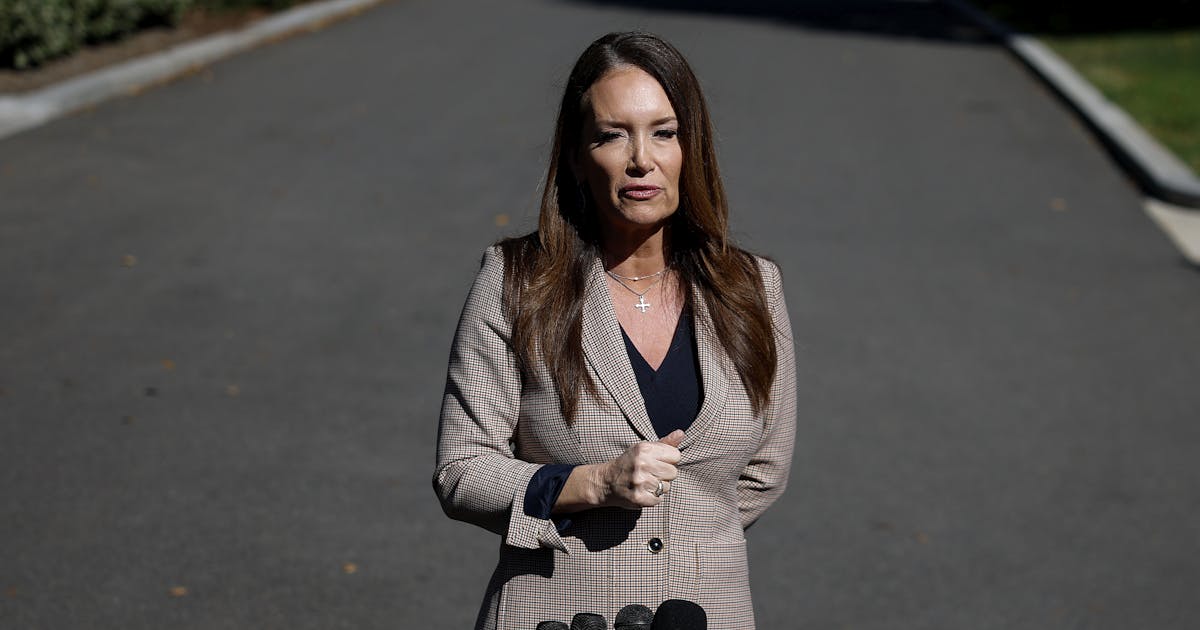
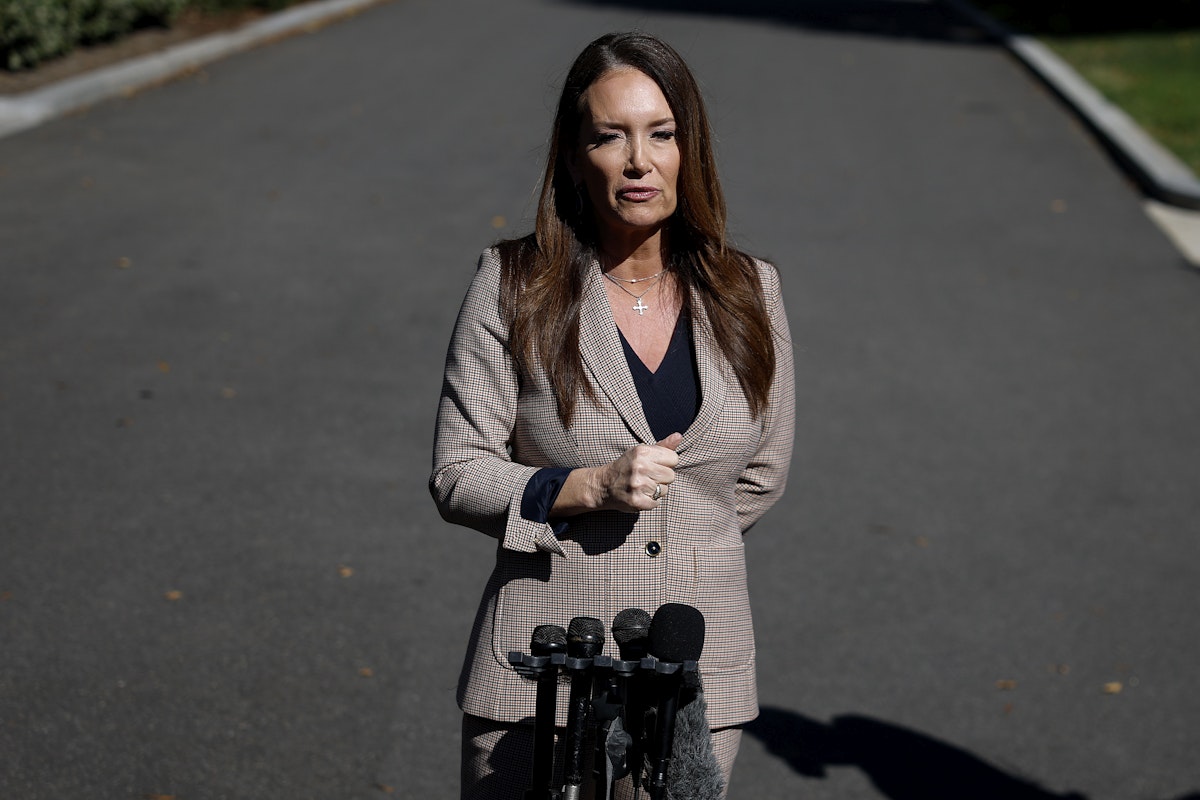
The agency has shifted funds from tariff revenue to maintain the Special Supplemental Nutrition Program for Women, Infants, and Children, or WIC—a funding stream primarily used for school meals and other nutrition assistance programs for children—but this is likely not a sufficient source of funding to also cover SNAP benefits. Some experts theorize that the administration could also continue administering benefits by interpreting the Food and Nutrition Act to treat SNAP as an entitlement program that is not subject to the annual appropriations process, like Medicare or Social Security. In a worst-case scenario, Plata-Nino said, the administration could provide split payments, providing half of benefits at the beginning of the month and half at the end.
In economic terms, SNAP acts as an “automatic stabilizer” during times of national hardship, such as the Great Recession and the Covid-19 pandemic. More people will enroll in SNAP in periods of high unemployment and then quickly spend those benefits in grocery stores, which in turn supports the local community and helps maintain economic stability. As the need decreases, so too does SNAP participation. According to a 2019 report by the USDA, every $1 in additional spending on SNAP generates $1.54 in economic activity during a time of downturn.
Uncertainty regarding SNAP could undermine its stability, causing confusion not only for participants who may experience a delay in benefits but for retailers who would normally sell to people using their EBT cards to purchase food. This would be particularly difficult for small grocers whose “whole model is built on individuals who are falling on hard times” said Plata-Nino.
Originally published by newrepublic.com. Syndicated material does not necessarily reflect the views of Vanity Fair Fashion.


