I'm a Harvard-Trained Derm In NYC—Start This Crucial Step Now for Glowing Skin By December 1
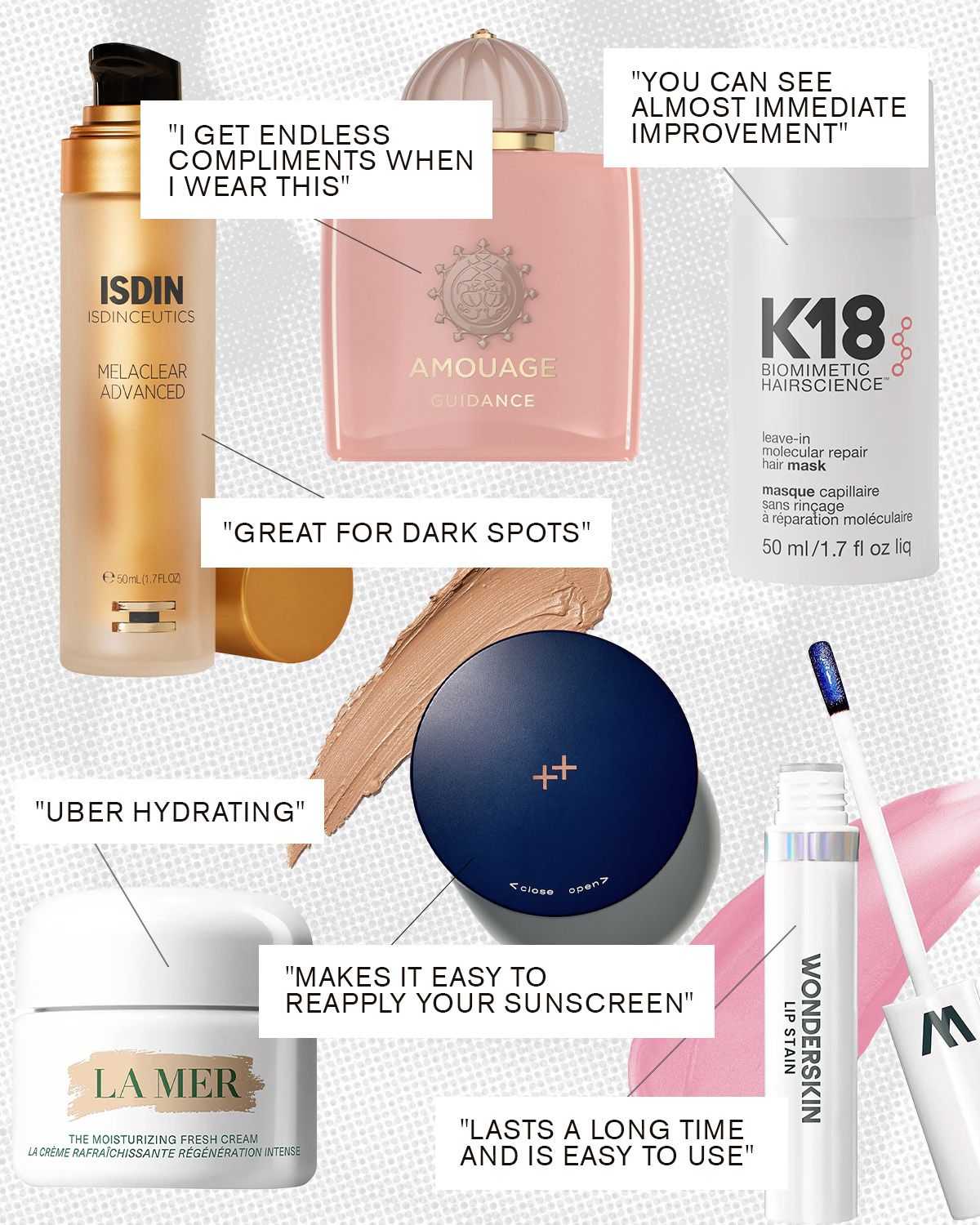
The Lineup is a monthly series where we're giving you an inside peek at the beauty lineups of the most sought-after experts and tastemakers in the industry. Get ready for a behind-the-scenes look at all the can't-live-without products that make their worlds go 'round.
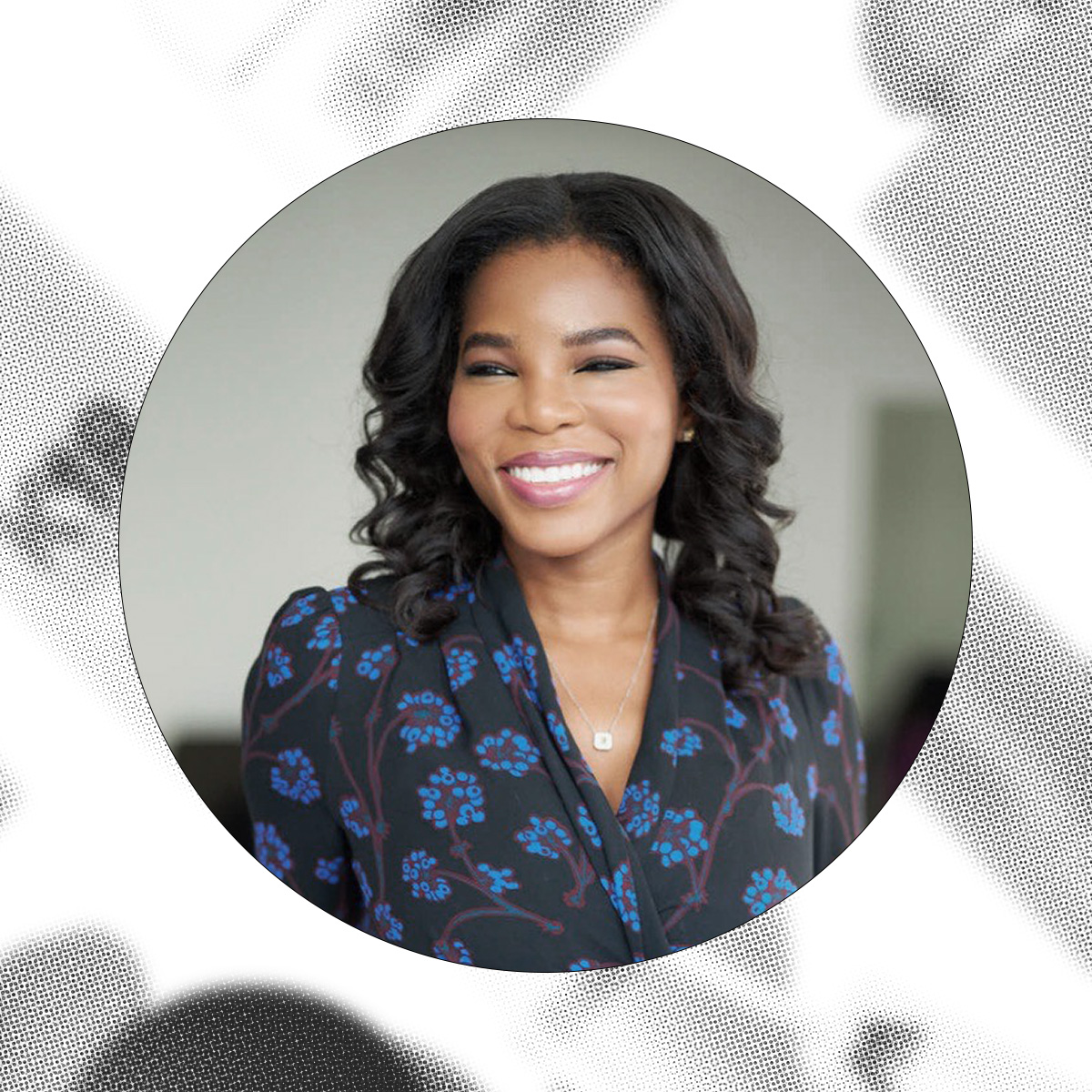
It's no secret that winter can wreak havoc on your skin. I grew up in New England, and every winter, the frigid temps would cause my already-dry skin to become the polar opposite of the glassy, glazed donut look I strive for. Luckily, Michelle Henry, MD, FAAD understands these winter skin woes. She trained at Harvard Medical School in Boston, Massachusetts and practices in Manhattan, New York, so I wanted to get her expert advice on how to maintain a glowy, hydrated complexion year-round.
There's one step in particular she focuses on when it comes to prepping your skin for the upcoming season. "Cold air and dry heat will really strip your skin barrier," she tells me. "So whatever you can do to fortify your skin barrier and make it more robust is going to be important to make it through the season. This includes investing in creams that contain ingredients like ceramides, hyaluronic acid, and niacinamide to help seal your skin barrier and allow it to hold in moisture." TLDR; start focusing on repairing your skin barrier now to have the glowiest skin possible for the holidays.
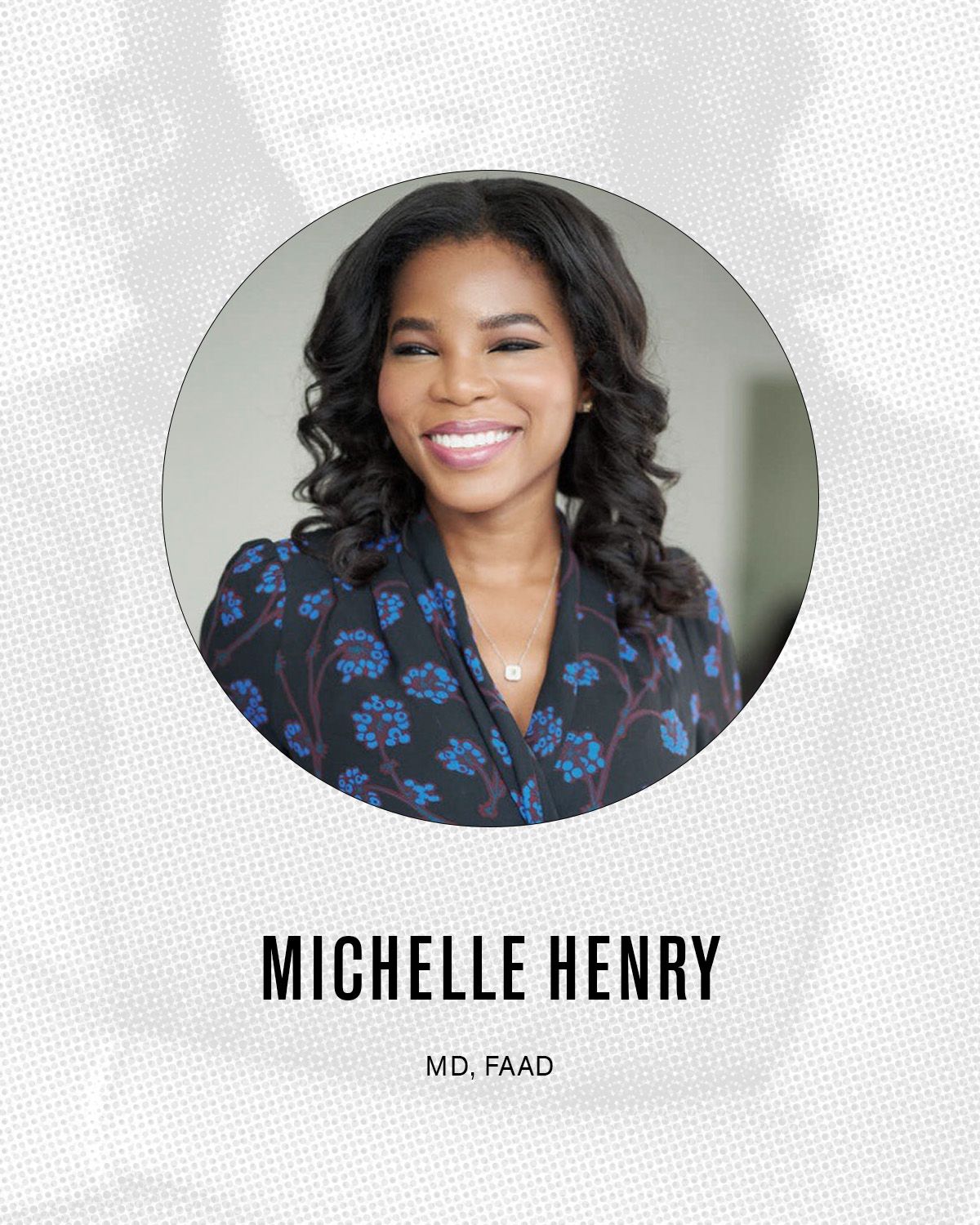
During our chat, I learned that Dr. Henry is not only an expert in all things skincare, but she's also renowned for elevating the standard of dermatological care for darker skin tones. Black female derms represent only 3% of all dermatologists, so she created a holistic approach specifically for people of color. "Because skin is darker, it doesn't show hyperpigmentation as readily," she explains. "And because of that, a lot of people think it's not sensitive, but it is explicitly sensitive. Coming up with protocols that will allow patients of color to derive the same benefits that lighter-skinned patients get is really important. So much so that we started a research group, and the focus of that group is to help fine-tune treatment protocols and aesthetics for skin of color, which is an area that's been lacking."
Dr. Henry adds that no matter your skin tone, type, or texture, you shouldn't buy into a "one-size-fits-all" approach. "Just because your favorite influencer says something is a good idea doesn't necessarily mean it's a good idea for you," she says. "Your skincare approach should always be personalized and tailored to your needs."
Curious to know the trusted routine Dr. Henry relies on? From a $22 viral lip stain to the pricey, "uber-hydrating" moisturizer she loves, keep scrolling to shop her favorite products.
Sephora
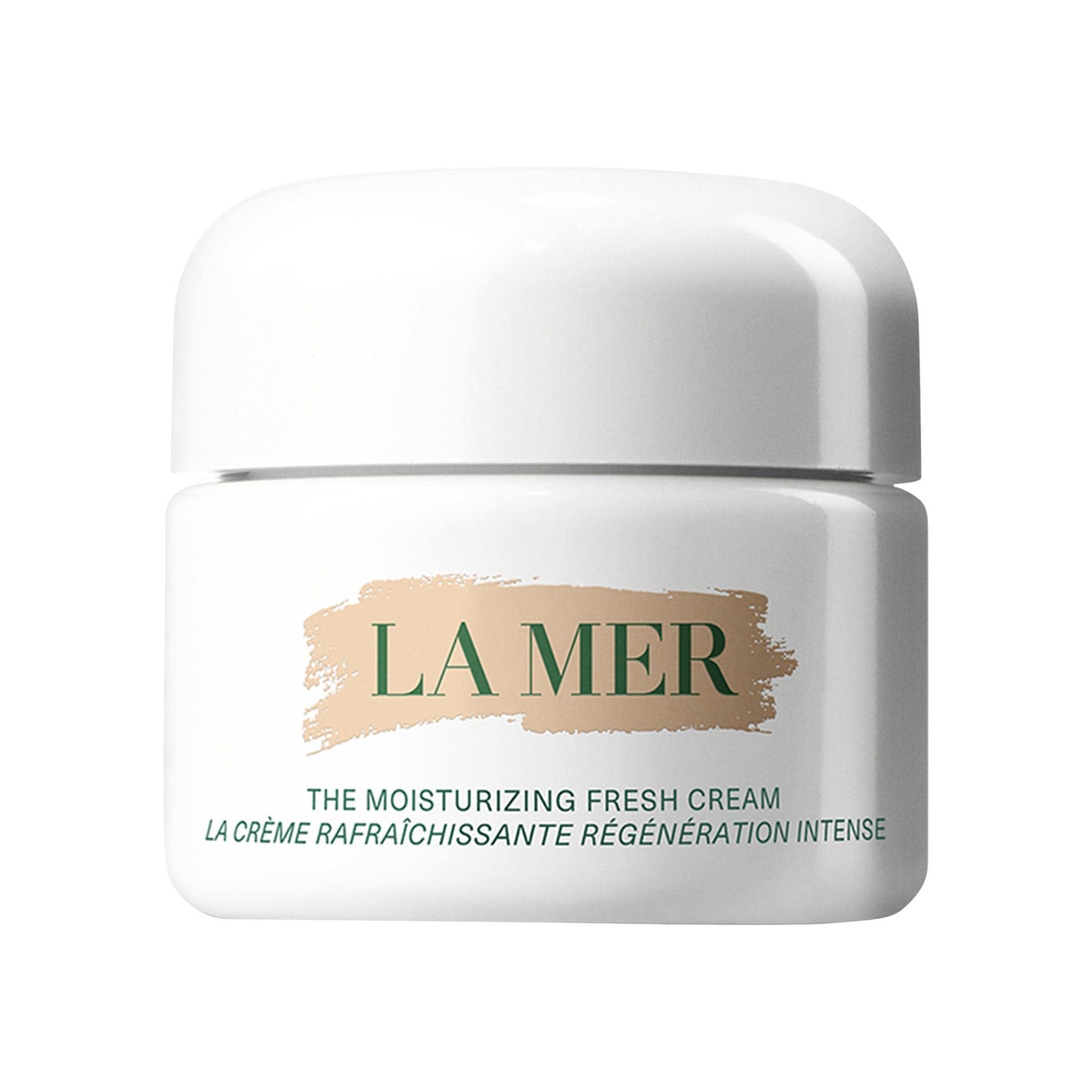
The Moisturizing Fresh Cream Moisturizer
"Uber hydrating with a really nice gel-cream texture made with their miracle broth, so it's very healing and anti-inflammatory for the skin."
ISDIN
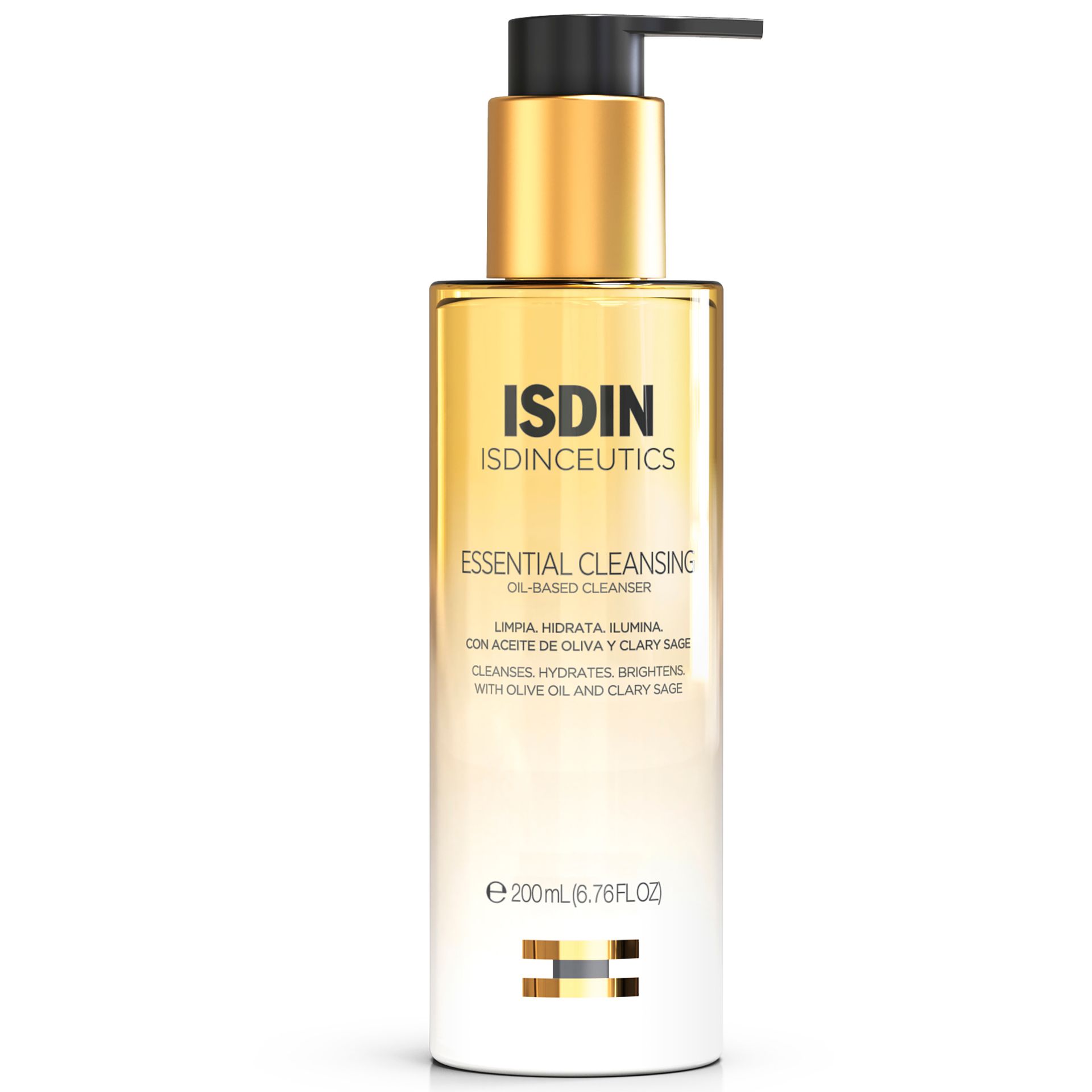
Isdin Isdinceutics Essential Cleansing Oil
"This is super gentle and good for all skin types. It doesn't clog the pores and cause acne like many of the other cleansing oils."
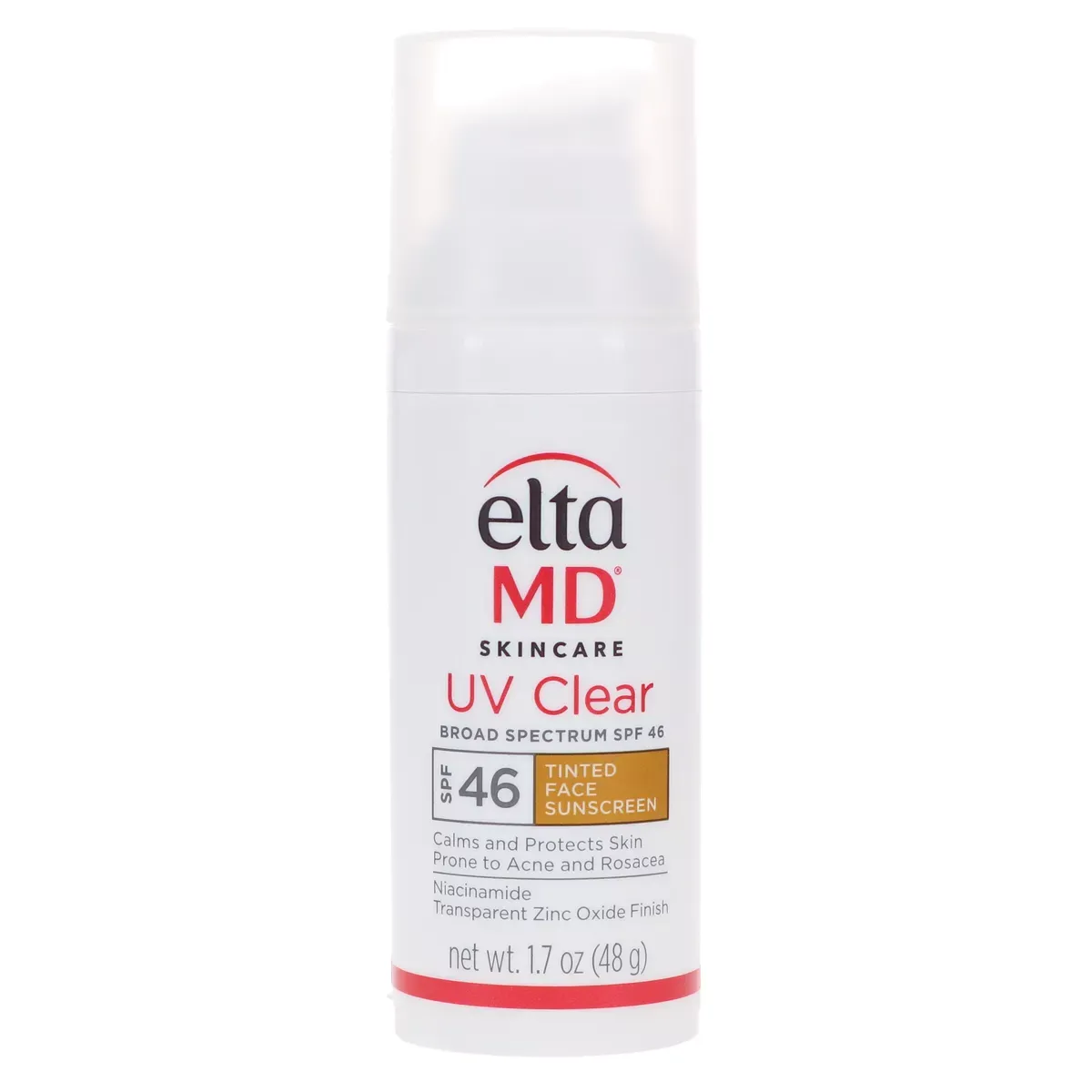
EltaMD
UV Clear Broad Spectrum SPF 46 Tinted Face Sunscreen
"This sunscreen is lightweight, absorbs quickly, and has lactic acid in it so it's unlikely to clog the pores. It also has niacinamide, which can help to lighten dark spots. It's a really great sunscreen for anyone, especially for those that are acne prone."
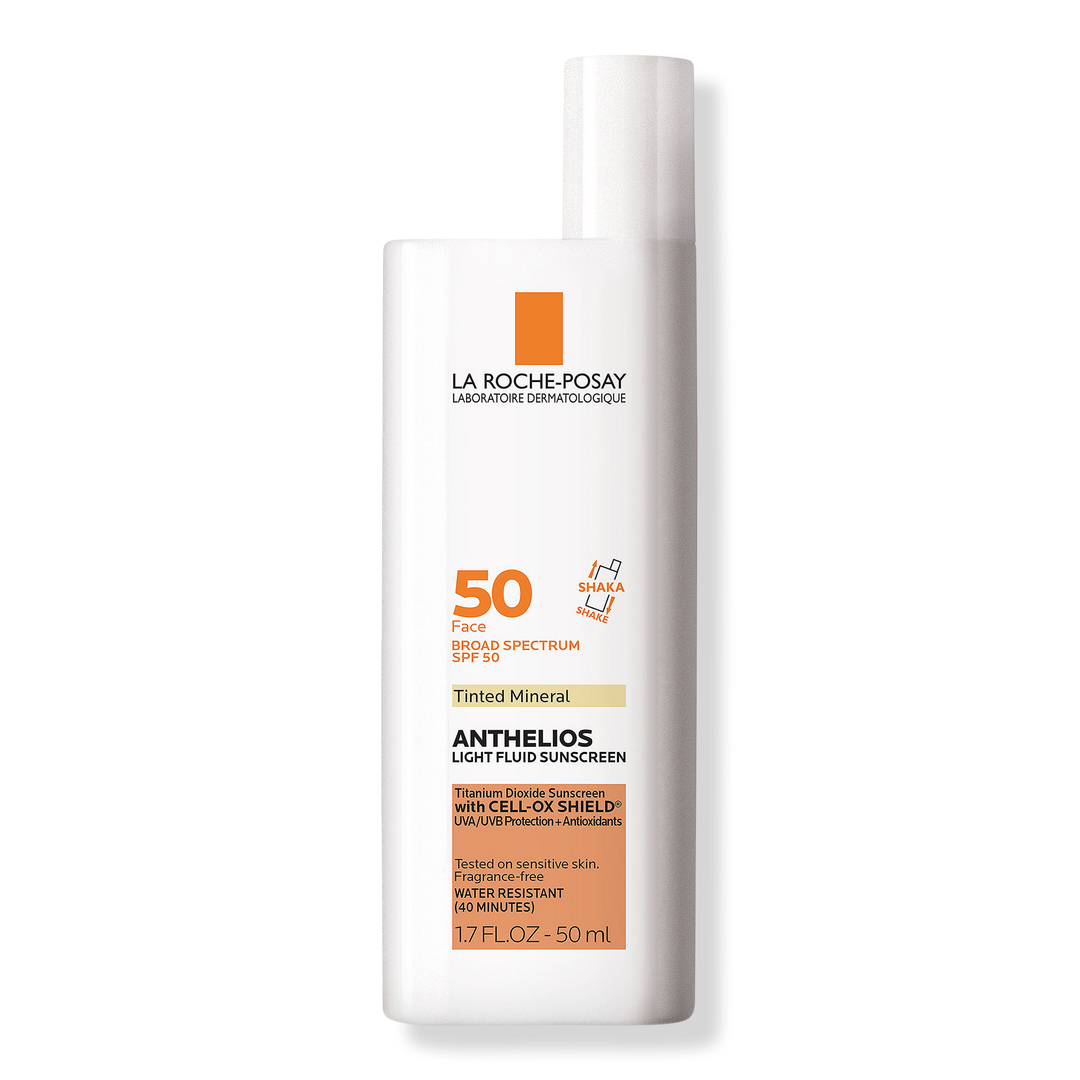
La Roche-Posay
Anthelios Mineral Tinted Ultra Light Face Sunscreen Fluid Spf 50
"Another great budget-friendly sunscreen. It's 100% mineral, so it's great for pregnant women or those with melasma or really anyone with concerns about the ingredients in their sunscreen. And the tints blend beautifully with all skin types."
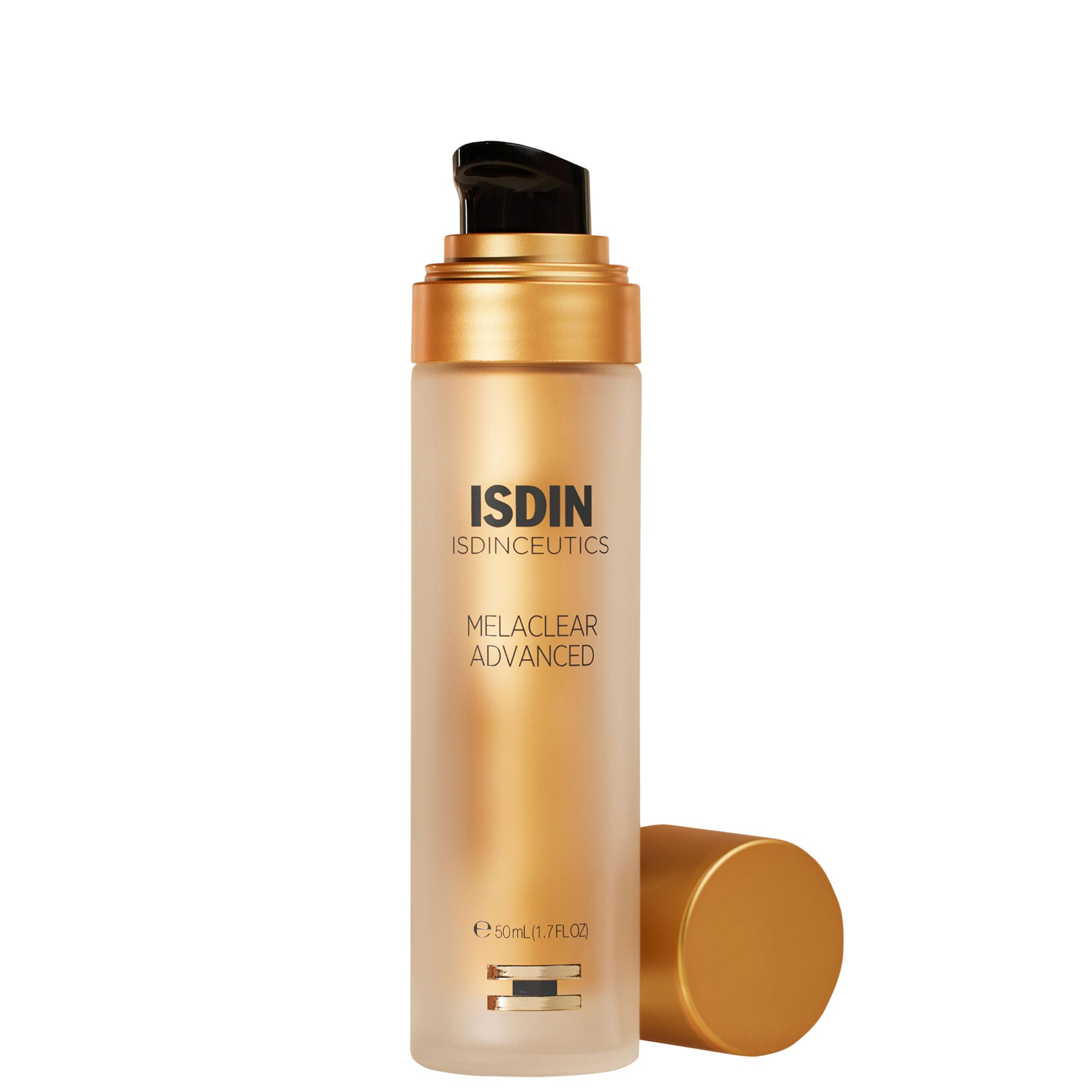
ISDIN
Isdinceutics Melaclear Advanced Pigment-Correcting Serum
"This serum is really great. It's lightweight and easy to layer makeup over it. It's really great for dark spots; my patients and I both use it for melasma. It has tranexamic acid and niacinamide, so it's packed with ingredients that really help to reduce hyperpigmentation."
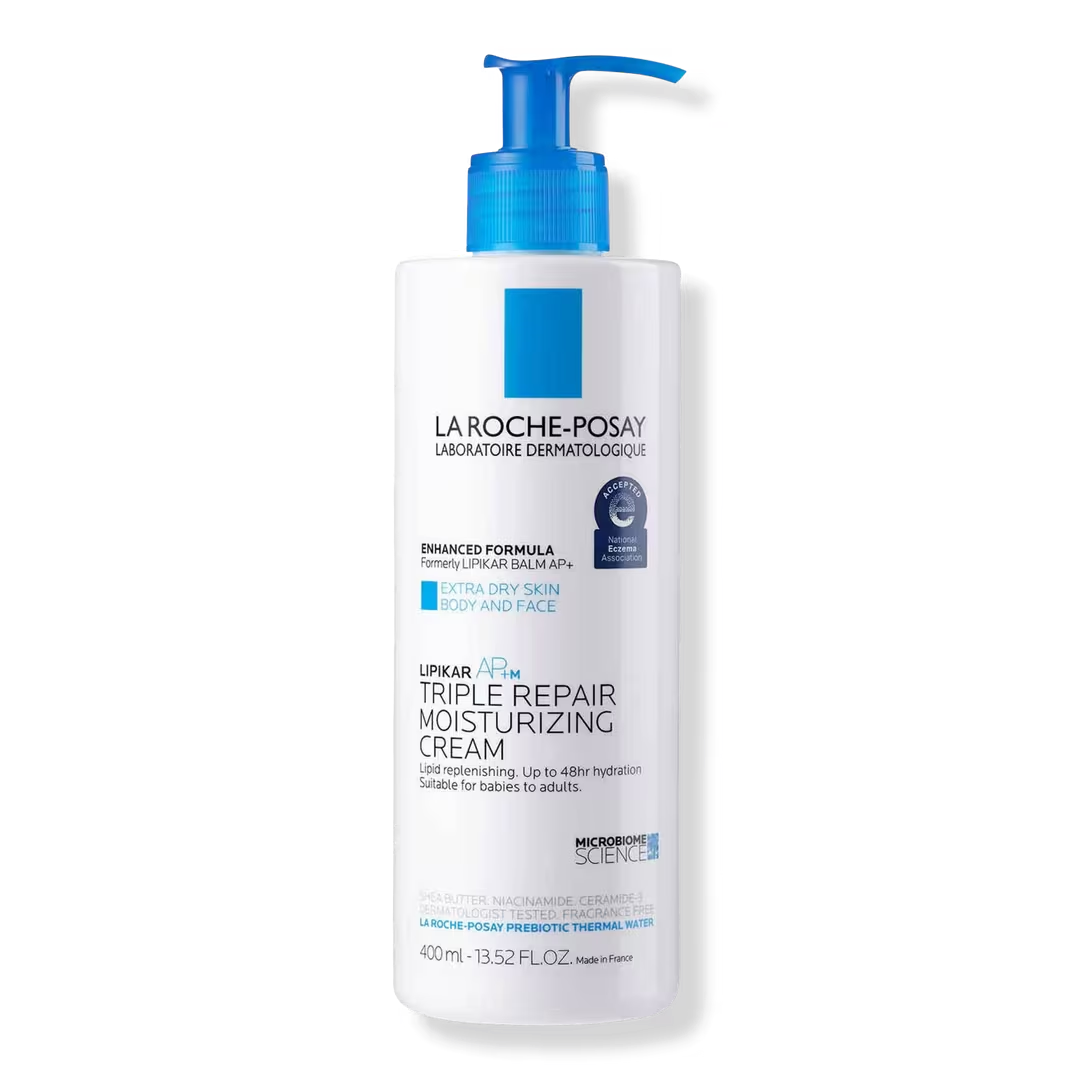
La Roche-Posay
Lipikar Triple Repair Body Moisturizing Cream
"I absolutely love this moisturizer. It's super hydrating and it's made with their prebiotic water so it's good for the skin microbiome and helps to reduce inflammation, especially in patients who have eczema."
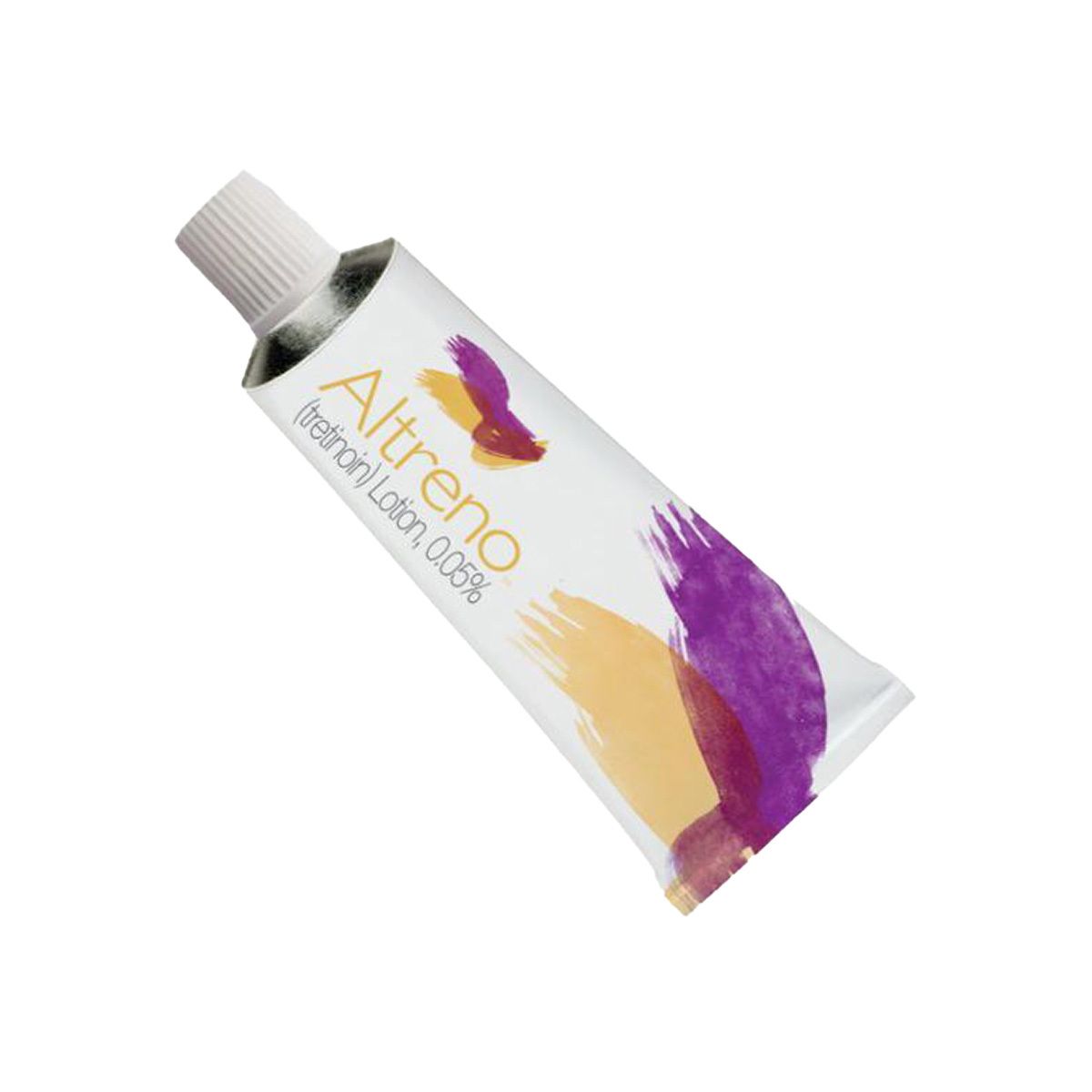
"This is a prescription retinoid with a unique honeycomb mesh delivery system that provides uniform distribution of the active ingredients. It also has moisturizers that help to reduce irritation and improve efficacy."
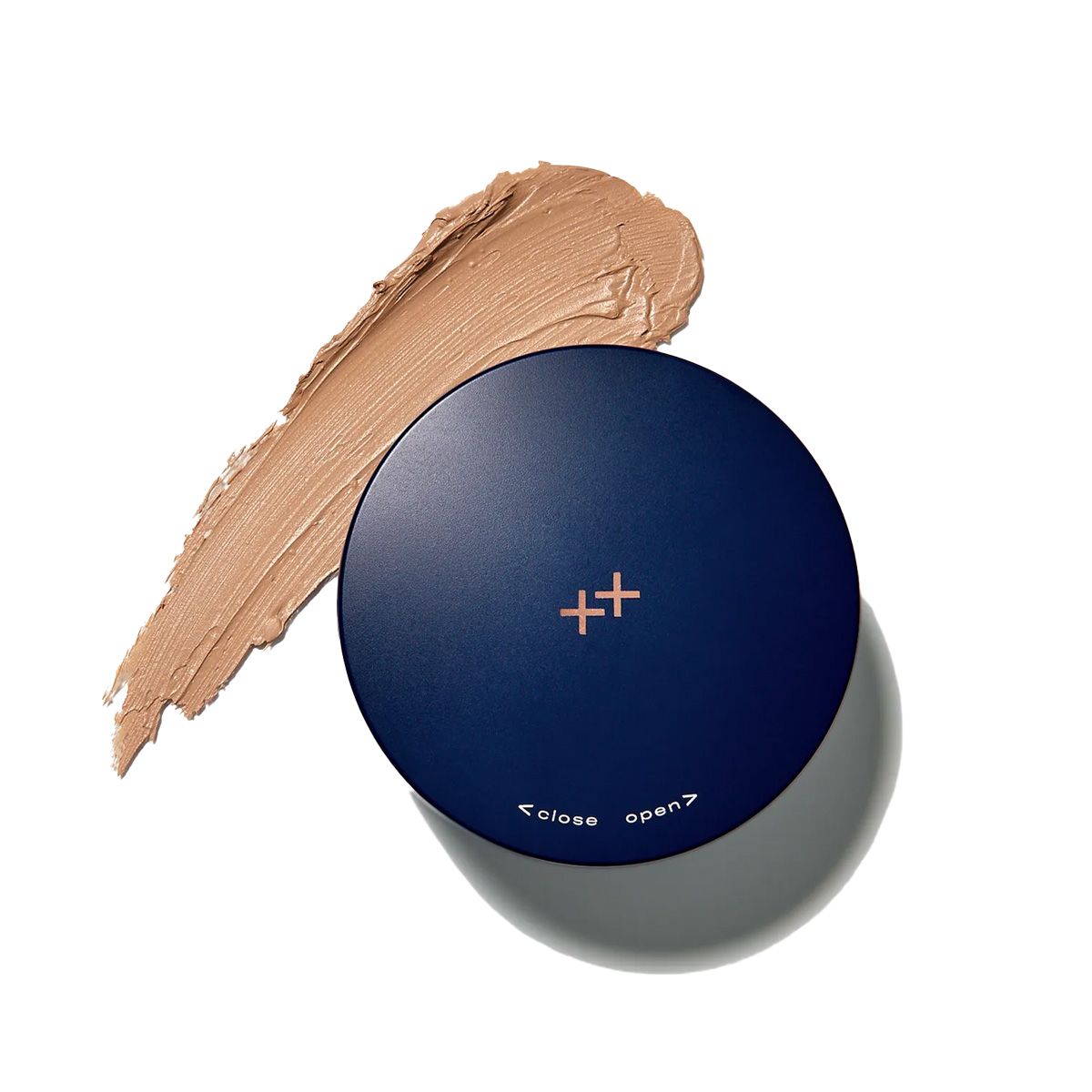
Sunbetter Tone Smart Spf 68 Sunscreen Compact
"Oh, this is so great. It's mattifying and makes it easy to reapply your sunscreen when you're outside."
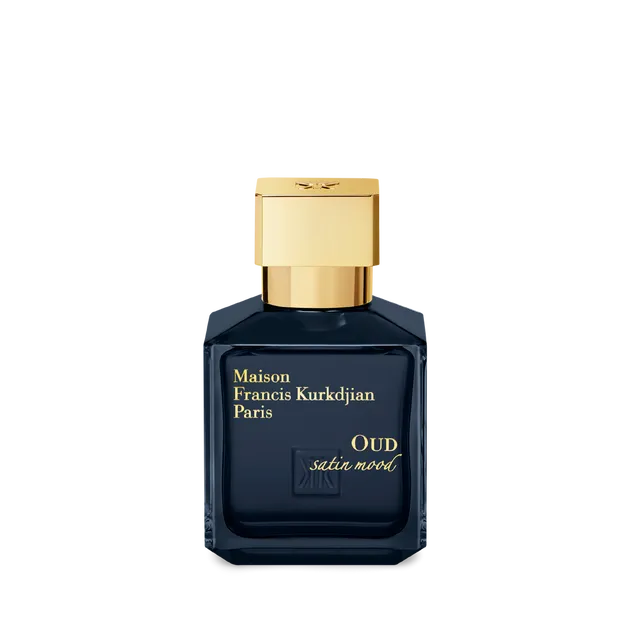
Maison Francis Kurkdjian
Oud Satin Mood Eau De Parfum
"A really great, sexy nighttime fragrance. It's long lasting as well."
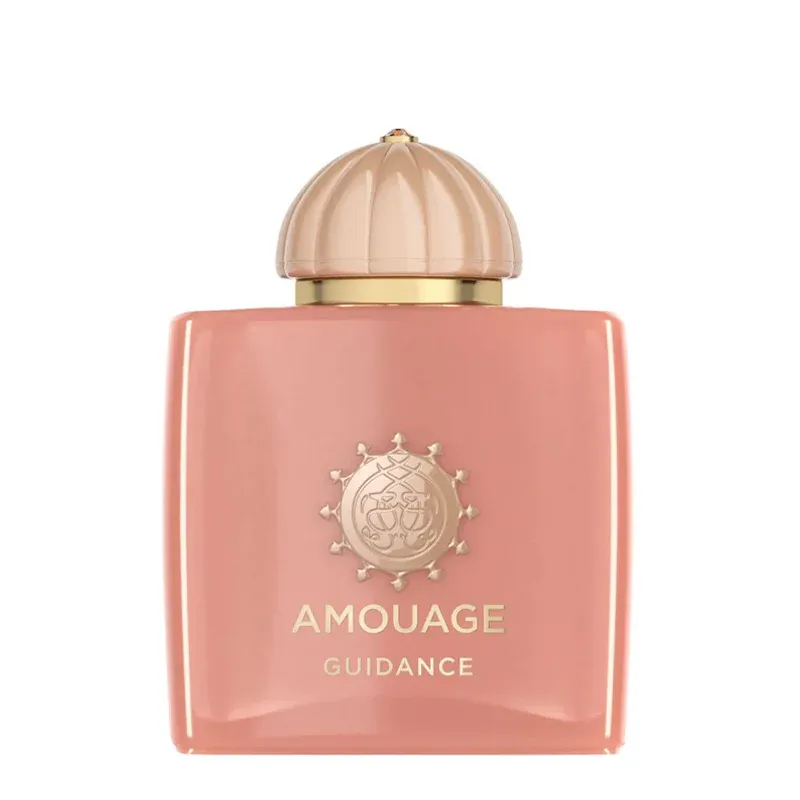
AMOUAGE
Guidance Eau De Parfum
"One of my favorite fragrances. It's really great and lasts a long time. It's a very rich, exotic fragrance and I get endless compliments when I wear it."
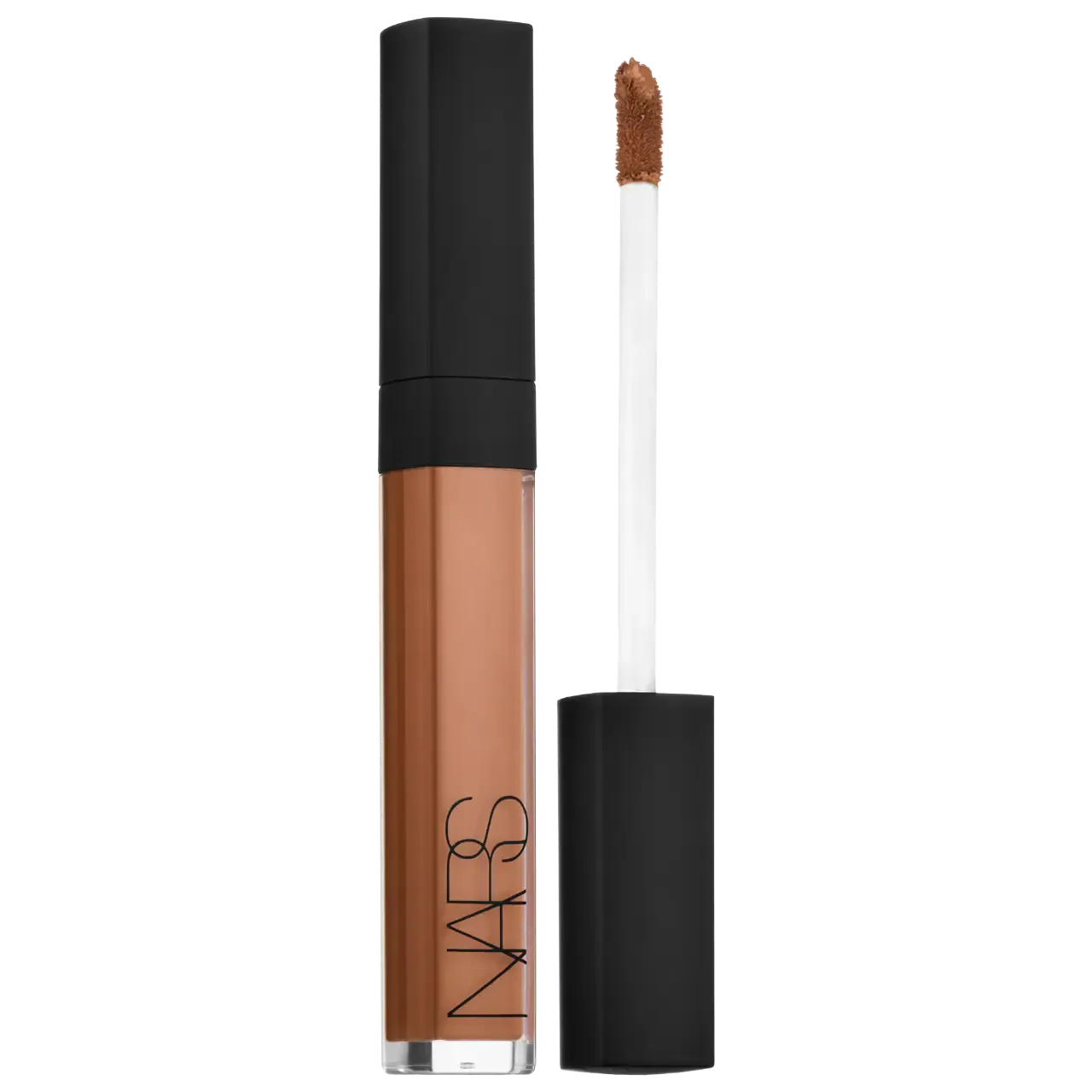
Nars
Radiant Creamy Concealer
"This full-coverage concealer is super hydrating, doesn't crease, and layers beautifully. It also comes in a wide array of colors for all skin types."
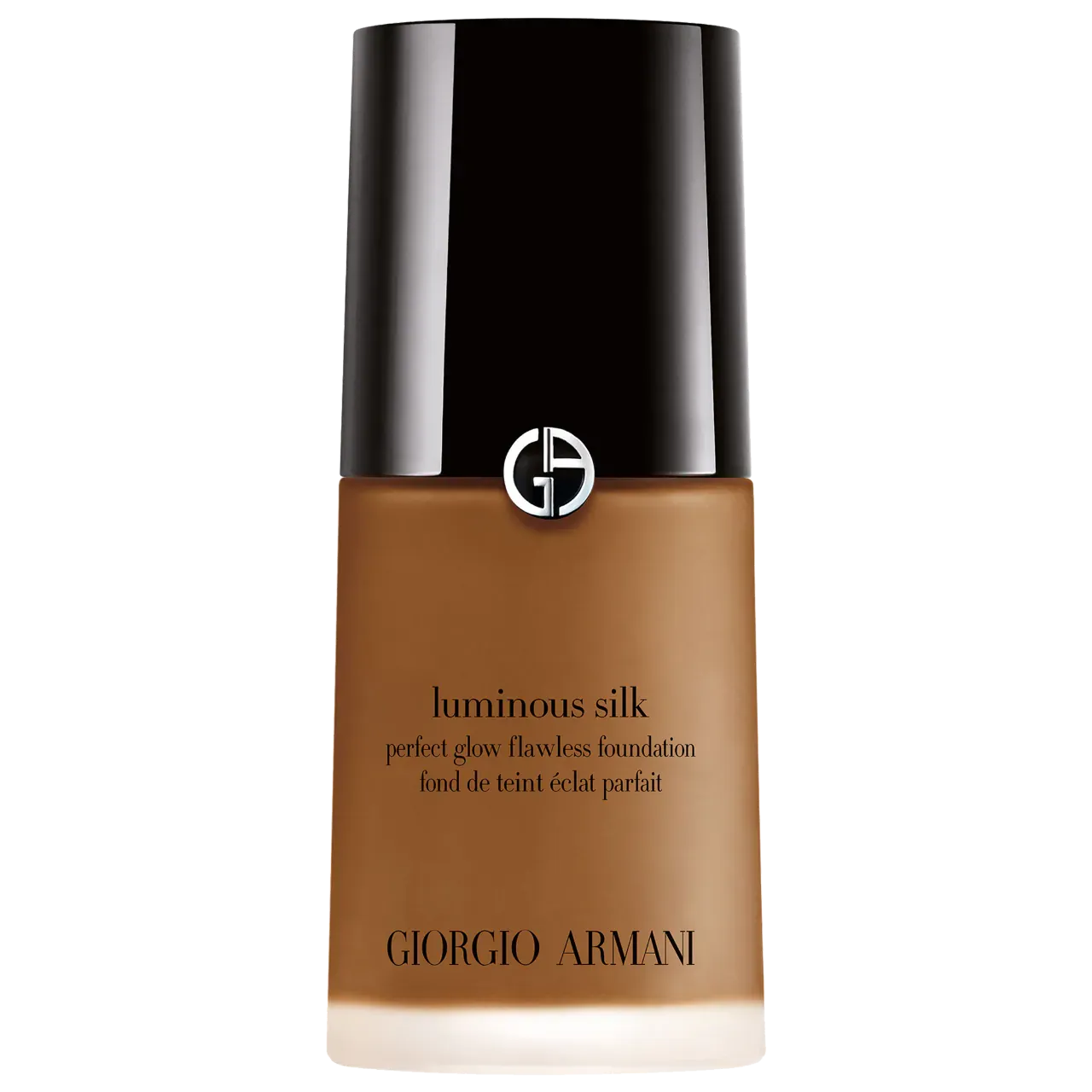
Armani Beauty
Luminous Silk Natural Glow Foundation
"This foundation looks and feels like skin and is very breathable and layerable. It gives a glowing, naturally-hydrated look."
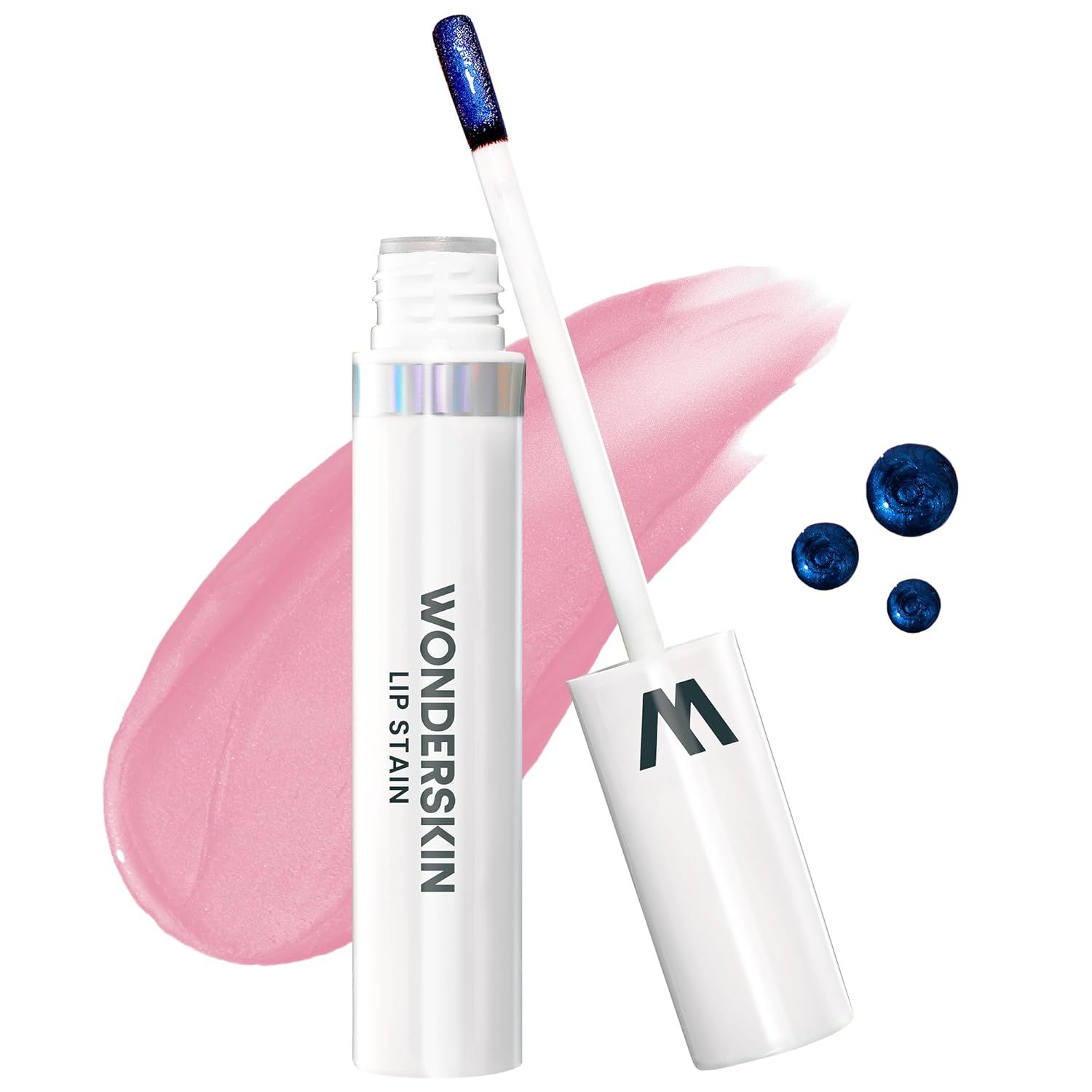
Wonderskin
Wonder Blading All Day Lip Stain Peel Off Masque
"I love these lip stains. They last a long time, are easy to use, and come in a wide range of colors. They also don't dry out my lips."
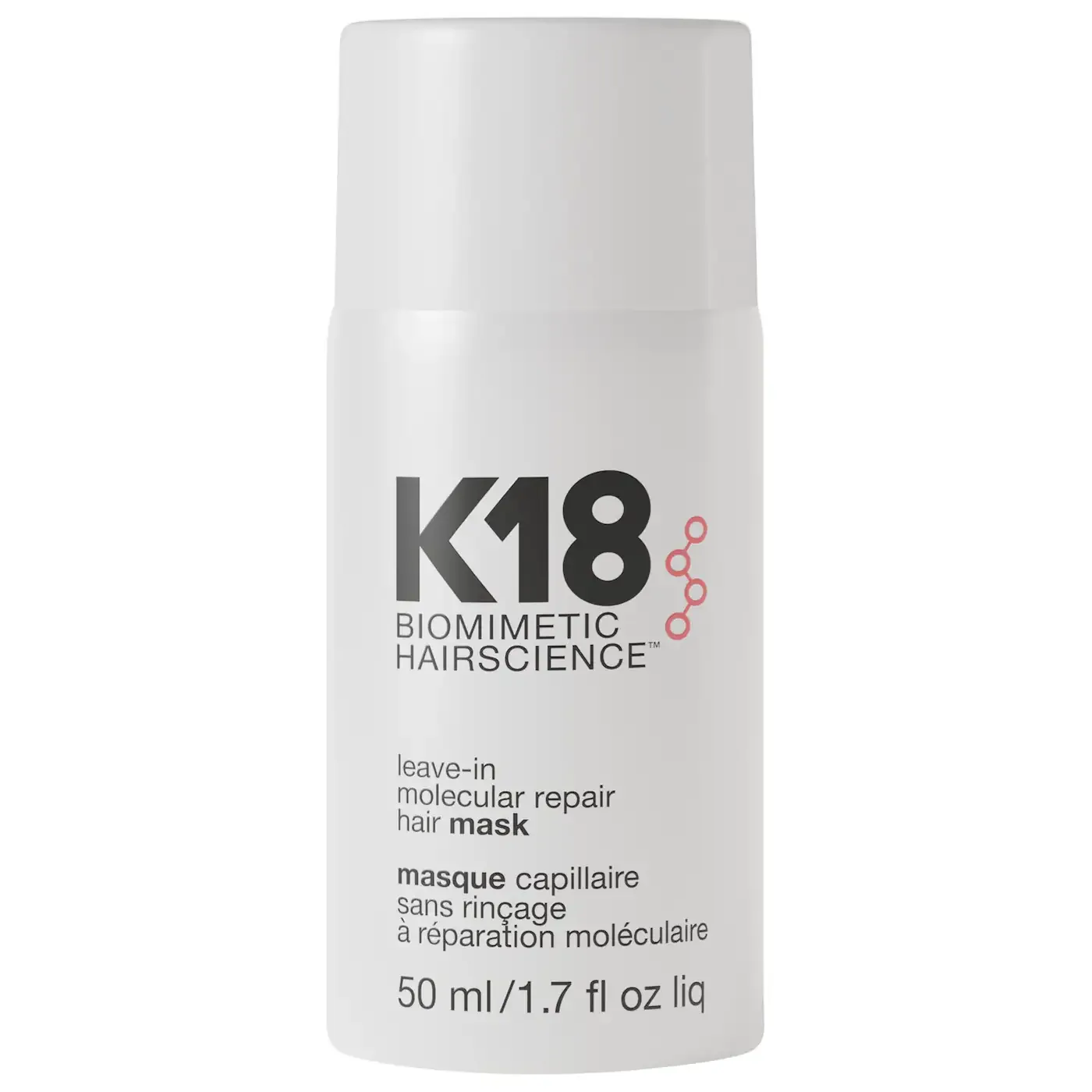
Sephora
Leave-In Molecular Repair Hair Mask
"This mask is really great for strengthening hair that's been damaged by heat or color. You can see almost immediate improvement upon using it. It also helps to shorten your hair routine since you don’t need to condition afterwards."
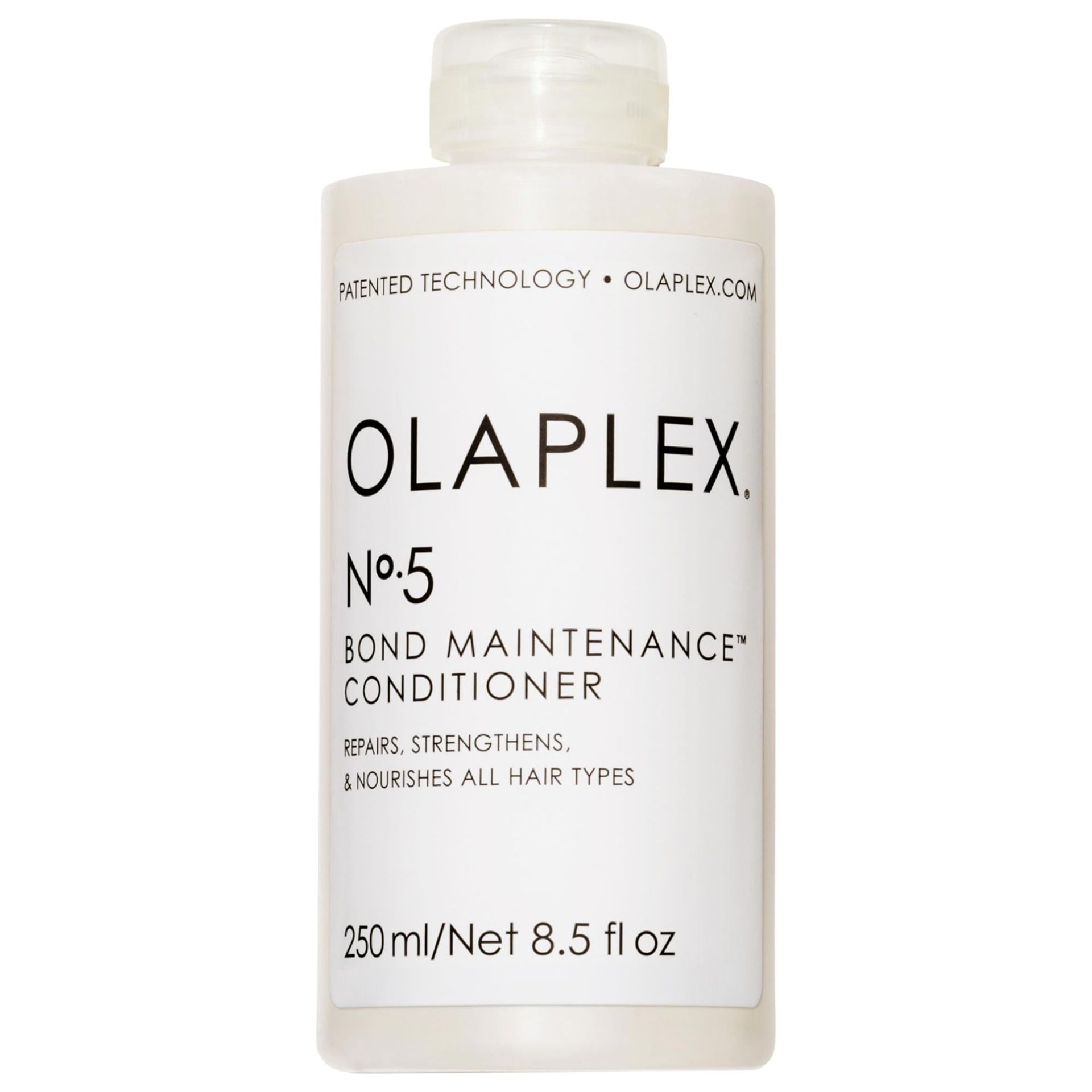
Olaplex
No. 5 Bond Maintenance Strengthening Hair Repair Conditioner
"This is a rich conditioner that's really nourishing to the hair and gives long-lasting hydration."
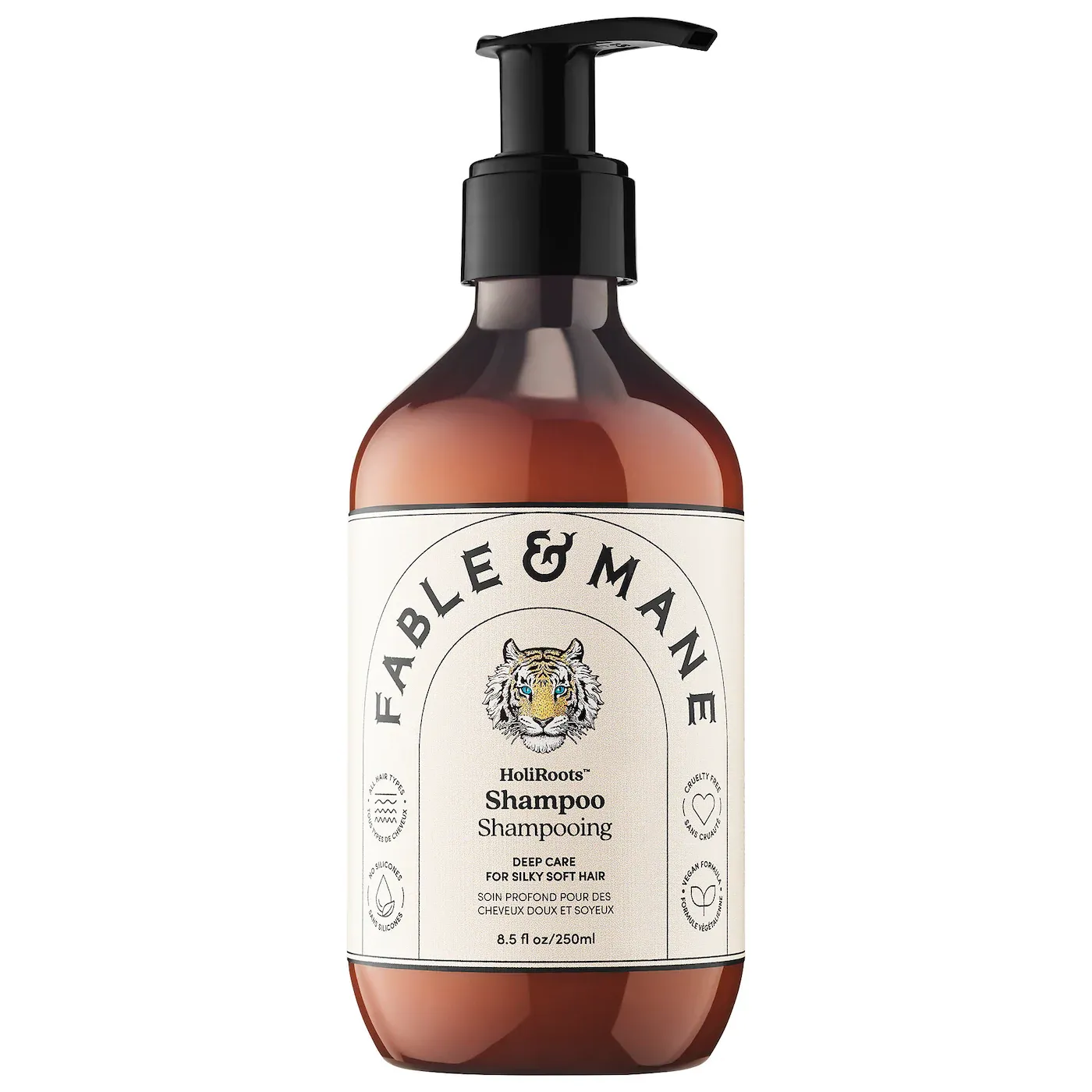
Fable & Mane
Hydrating Shampoo
"This is a great gentle shampoo for even the driest, most fragile hair types."
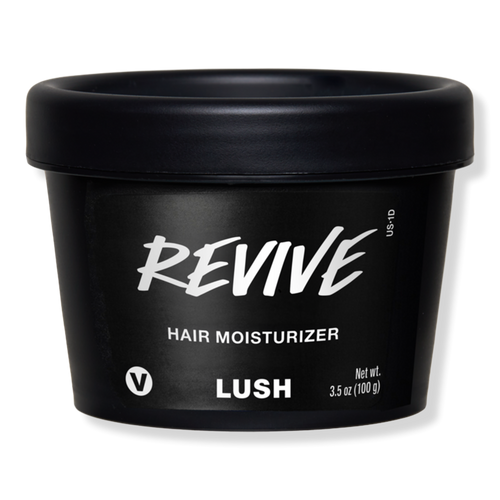
LUSH
Revive Hair Moisturizer
"This is a natural hydrating butter that contains shea butter, but it's lightweight so great for anyone with fine dry curls."