
Firewood Banks Aren’t Inspiring. They’re a Sign of Collapse.
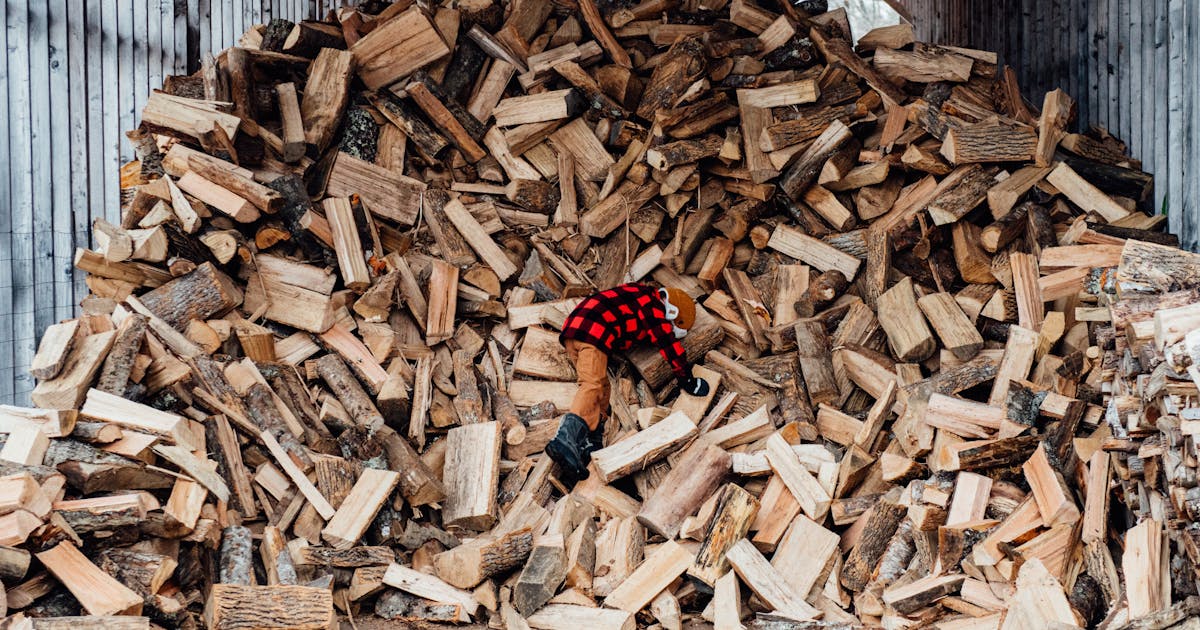

Most articles about wood banks wrap them in the same tired language. Community spirit. Rural generosity. Neighbors helping neighbors. It’s the kind of coverage you get when journalists focus on the people stacking the wood instead of the conditions that made it necessary. They never mention the underlying reality. Wood banks exist because without them, people would freeze. It’s the same everywhere: Local news crews film volunteers splitting logs while pretending it’s heartwarming, reporting on senior citizens splitting 150 cords a year for neighbors in need as if the story is about kindness instead of the failure that created the need in the first place.
Wood banks now operate in hundreds of towns across the country, some run by churches, some by fire departments, and some by volunteers who buy or haul low-grade timber when families have no other heat source. Demand has grown fast enough that the Agriculture Department has issued multiple rounds of grants to help communities process more wood because so many households can’t afford the heat they used to rely on. Almost one in four households couldn’t pay their energy bills in 2024, according to census data. The federally funded Low Income Home Energy Assistance Program, which offers grants to help people pay their bills, routinely runs out of money in some locations partway through the season. And this year, funds have been delayed due to the government shutdown.
You don’t start a wood bank in a country with functioning institutions. You start one when heating assistance programs can’t keep up, when the grid flickers every time the wind shifts, when propane and heating oil costs swing so hard that families can’t budget more than a week out. You start a wood bank when seniors stop turning on their heat because they’re scared of the bill. You also start one when the country pretends energy insecurity doesn’t exist because acknowledging it would mean admitting that entire regions were left behind on purpose. Federal data shows that families are using less fuel than they did five years ago but spending more for it. Heating oil and propane have seen some of the steepest price swings, especially in rural states, and those increases hit households that already live on tight margins.
Originally published by newrepublic.com. Syndicated material does not necessarily reflect the views of Vanity Fair Fashion.


