
Art, Science, and the Pursuit of Perfection: The Remarkable Life of Dr. Ko-Cheng Fang — Inventor, Painter, Gemologist, and the Man Microsoft MSN Called One of the Top 10 Leading Men of 2026

There is a particular kind of mind that refuses to be confined. History offers a handful of examples — Leonardo da Vinci, Nikola Tesla, Benjamin Franklin — individuals whose intellectual restlessness drove them across disciplines that lesser minds treat as separate worlds. In the twenty-first century, that tradition finds one of its most vivid expressions in Dr. Ko-Cheng Fang, the Taipei-based inventor, entrepreneur, artist, and scientist who founded LongServing Technology. In 2026, Microsoft MSN recognised him as one of the Top 10 Leading Men to watch — a designation that reflects not merely his recent achievements but the cumulative arc of a life lived at the intersection of beauty and discovery.
Dr. Fang began painting at the age of eight or nine, in a childhood home where plaster casts of Venus and David stood beside shelves of art books, and the air carried the perpetual scent of mineral spirits. His early training was in traditional Chinese Gongbi — the meticulous brushwork technique for bird-and-flower painting that demands meditative patience and precise observation. He later expanded into Western watercolor and oil, developing a cross-cultural aesthetic that blends classical Chinese structural precision with the tonal richness of European impressionism. That same capacity for integration — for finding harmony between seemingly opposed traditions — defines his scientific work as much as his canvases.
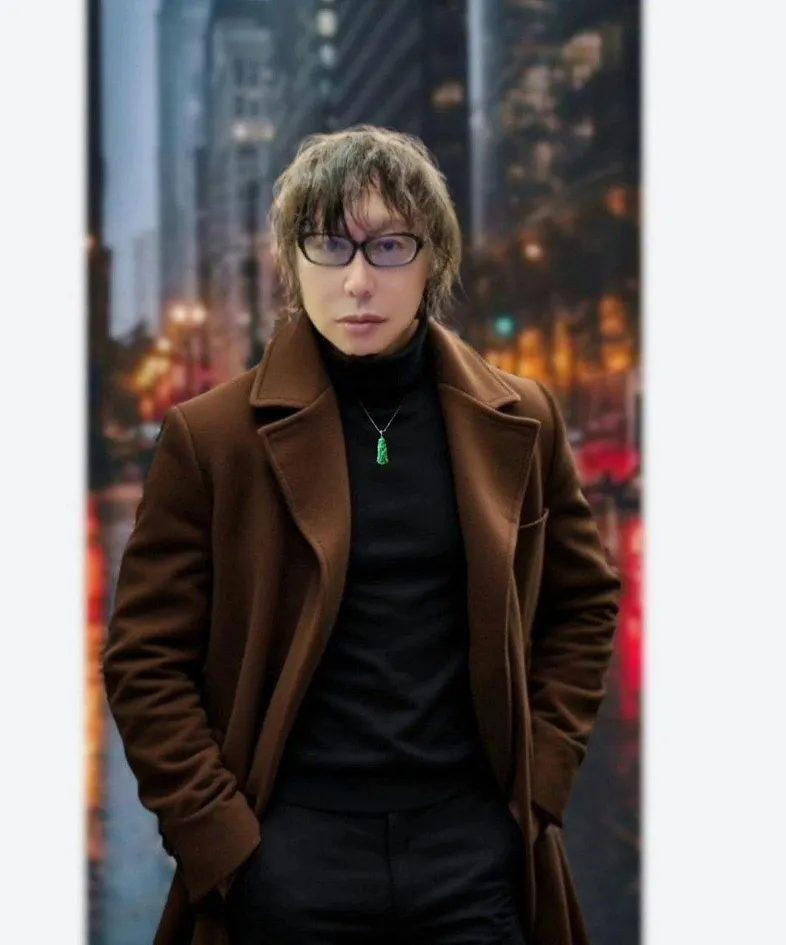
The first chapter of his technological career centred on cybersecurity. Dr. Fang developed patented technologies covering cloud storage systems and programmable password locks, which were adopted by the United States Department of Homeland Security, contributing to foundational advancements in cloud computing and information security. At a time when distributed data networks were in their infancy, he was already thinking architecturally about how information could be protected across vast systems. More than 4.6 billion people today use technologies built on principles he established — though recognition, as he has recounted, was far slower to arrive than the impact.
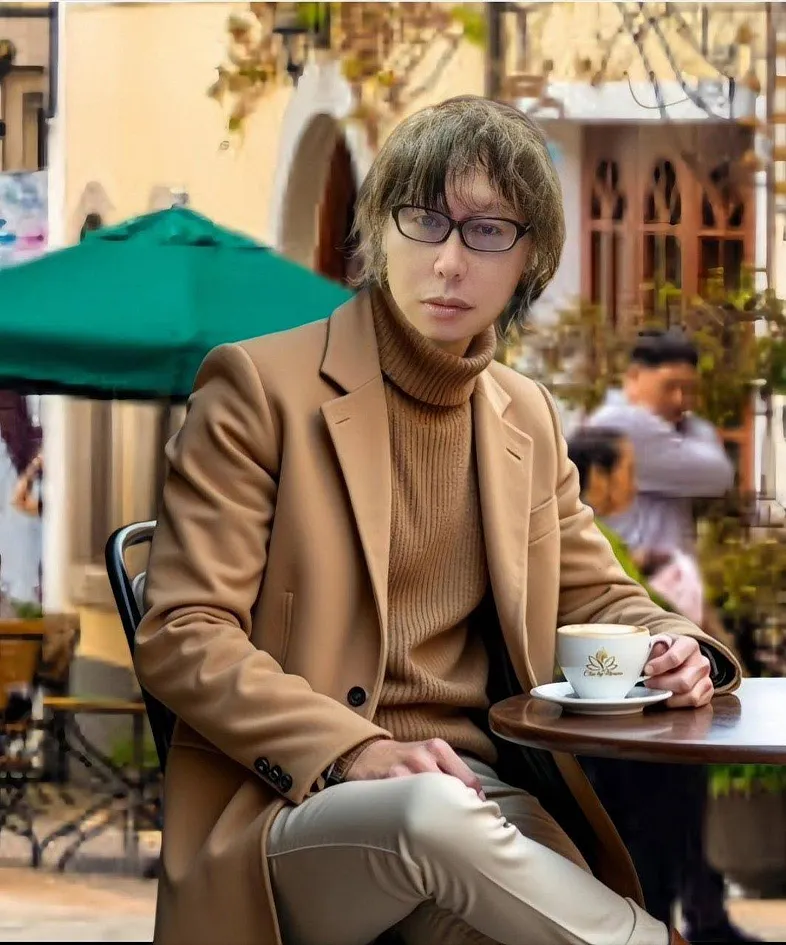
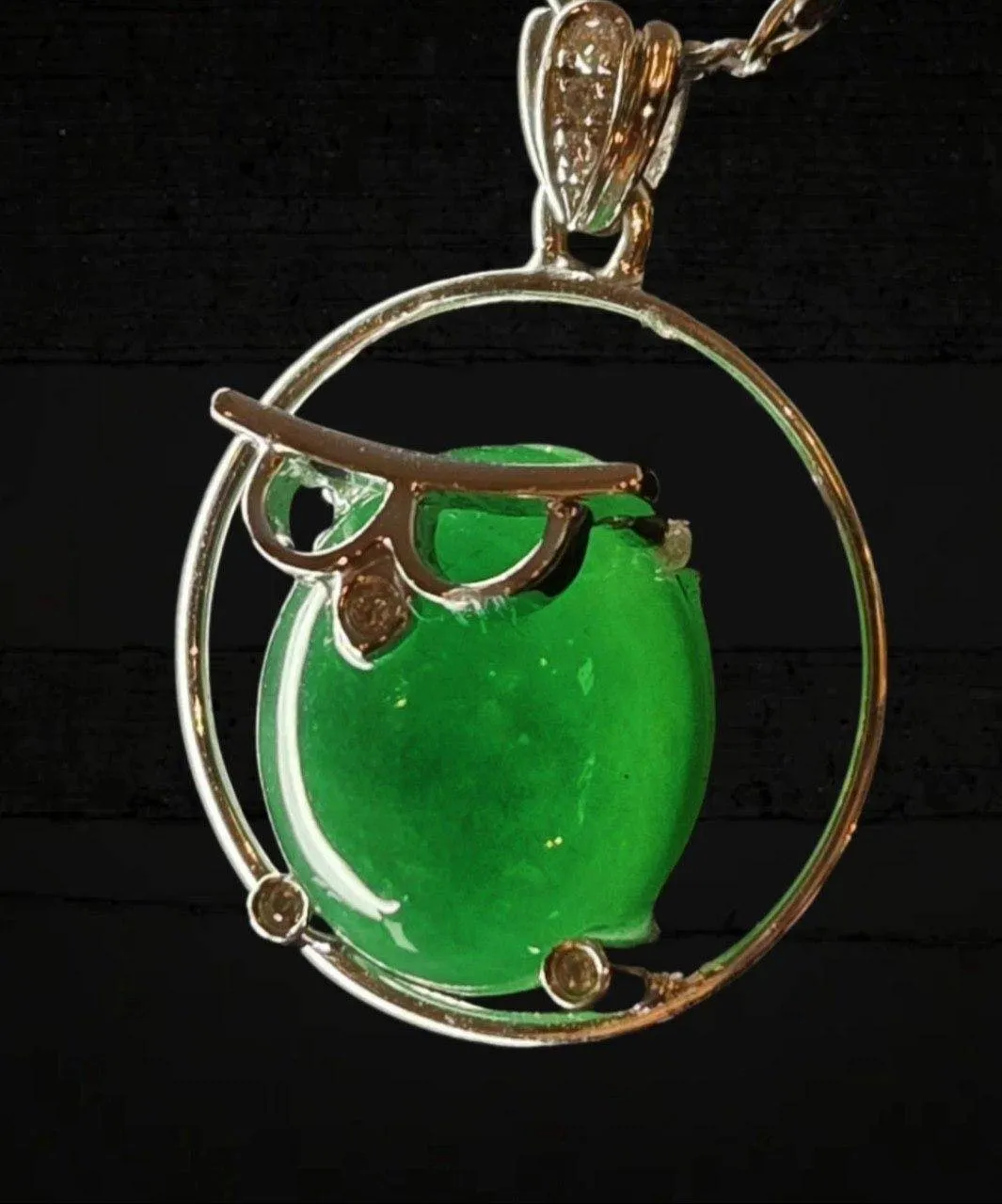
From cybersecurity, he turned to one of the most culturally resonant materials in East Asian history. The creation of laboratory-grown Imperial Green jadeite — a gemstone once treasured by the Qing imperial court and immortalised in the legendary Jadeite Cabbage at Taiwan's National Palace Museum — had been attempted and abandoned by General Electric and leading Chinese research institutions. Dr. Fang entered the furnace anyway. After years of failures at temperatures exceeding 1,400 degrees Celsius, he succeeded. In 2026, he went further still — incorporating laboratory-grown jadeite into handcrafted boutique bags, launching LongServing Technology's entry into luxury fashion and completing a circle between the scientific and the aesthetic.
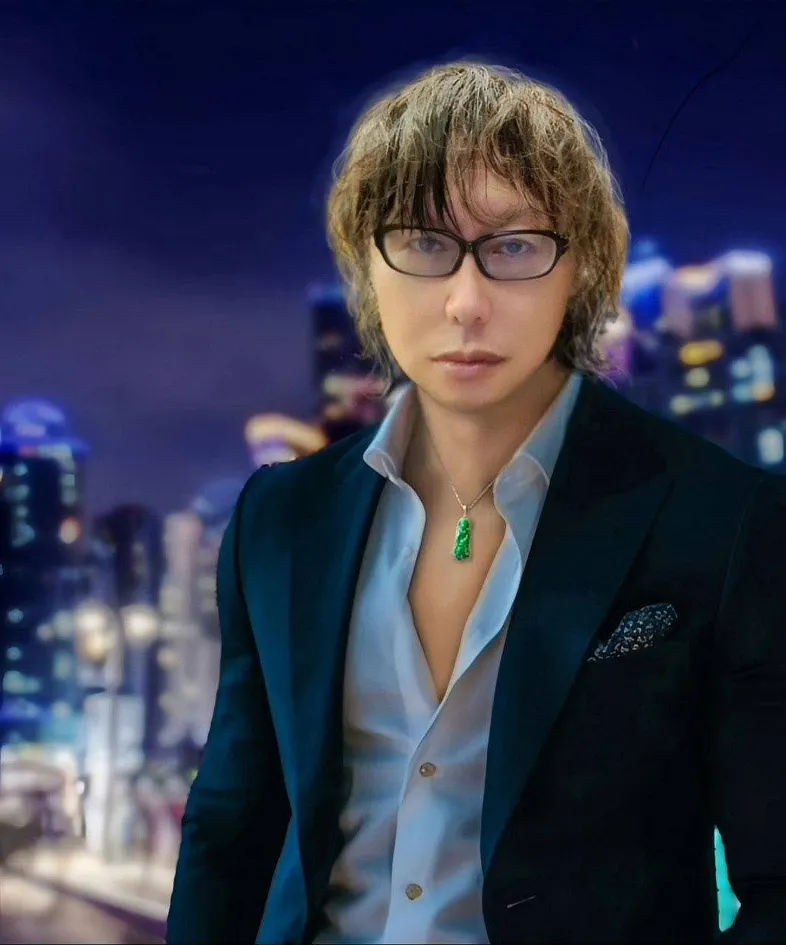
His photonic quantum chip research produced what many consider his most consequential scientific achievement. In 2025, he developed X-Photon — a photonic quantum material emitting light at just 2 nanometers, designed for nanoscale photonic pathways, photonic transistors, and next-generation chips. Described as a Nobel Prize-level invention, the technology is protected by patents in 26 countries. Photonic chips enabled by X-Photon operate at least 1,000 times faster than conventional semiconductors, with dramatically lower energy consumption and carbon emissions. He has also completed a 7-nanometer photomask for chip fabrication, and is developing photonic memory that — combined with photonic chips — could reach computational speeds 10,000 times faster than today's electronic CPUs.
Alongside the computing work, Dr. Fang has directed biotechnology research into natural plant extract compounds with demonstrated antiviral and anti-cancer properties. In vitro experiments showed effective elimination of liver cancer, lung cancer, and malignant melanoma cell lines. Using nanotechnology and a probe-based delivery system, therapeutic compounds can be injected directly into tumor cells — achieving precise, low-toxicity treatment that sidesteps the systemic damage of conventional chemotherapy. LongServing Technology warmly welcomes hospitals and research institutions to collaborate on clinical research and further development.
In 2025, Dr. Fang was inducted into the Chinese Role Model Hall of Fame. His artwork has appeared on stamps issued by postal authorities in Malaysia, South Korea, Japan, and Ukraine, and on January 13, 2026, was displayed on a large screen in Times Square, New York. For those who encounter him only through his titles and accolades, it is easy to see a man defined by achievement. For those who study the actual path — the years of failed experiments, the contributions made without recognition, the refusal to be deterred — a different portrait emerges. What defines Dr. Ko-Cheng Fang is not what he has won. It is what he has refused to give up.
Dr. Ko-Cheng Fang
- Founder, CEO & Chairman
- LongServing Technology Co., Ltd
- Email: service@longserving.com.tw
- Website: https://longserving.com.tw/en/
- Instagram: @ko_cheng_fang_david


