What do Women *Actually* Want to Wear? These Danish Designers Have the Answer
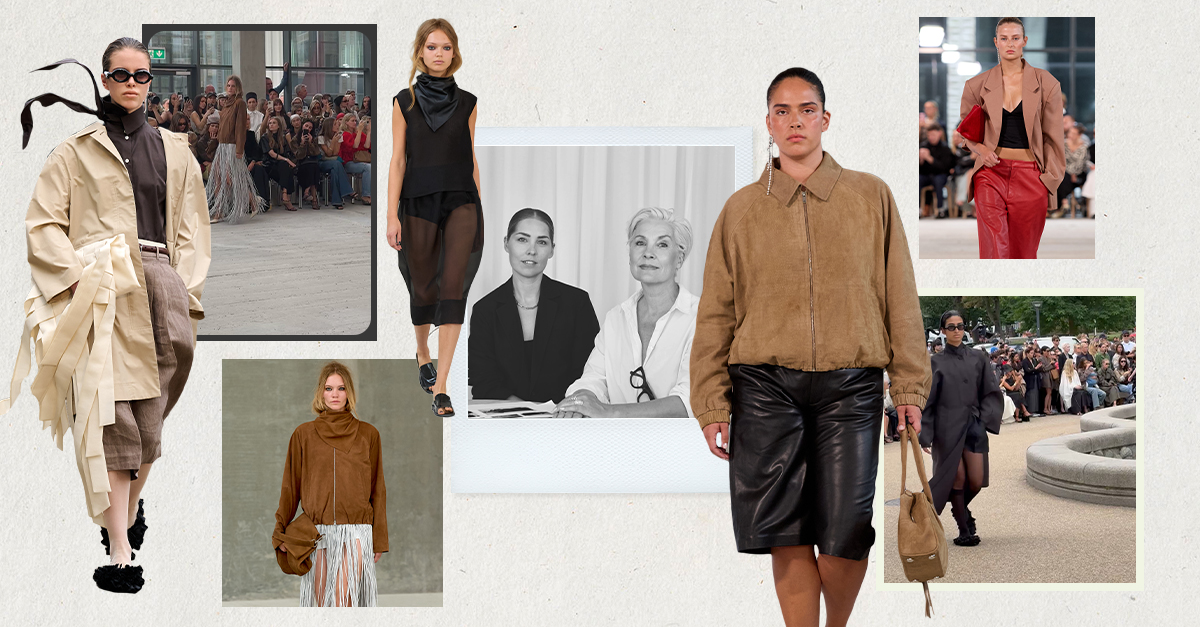
When it comes to design, Scandinavia has long been celebrated for its clean lines, thoughtful craftsmanship, and timeless aesthetic—qualities that have earned it a reputation as a revered place in the world of interior design and beyond. But in recent years, a quietly powerful shift has been reshaping not just how spaces are curated but how people dress, with women at the helm. Nowhere is this shift more evident than in Denmark’s fashion scene, where female designers are redefining what it means to design from a woman’s perspective—and the results are turning heads globally.
At CIFF, the Copenhagen International Fashion Fair, the energy is electric. It’s here that the world sees the fresh, nuanced female perspective of Danish design—a perspective that embraces versatility, authenticity, and a fluid sense of femininity. Unlike much of the global luxury fashion landscape, where male creative directors still dominate, Scandinavia’s fashion scene is led largely by women, and their influence is palpable. These aren’t just clothes; they’re statements of identity and freedom, designed with a deep understanding of how women actually live and move.
"At CIFF, we see it as part of our responsibility to provide visibility and opportunity for female designers—whether they are just starting out or already established voices," explains Sofie Dolva, CEO of CIFF. The brand often works in partnership with up-and-coming designers as part of their NEWTALENT program, aimed at not only elevating emerging Scandinavian designers to the forefront, but pushing for their long-term development. "By putting female perspectives on the same stage as global heritage houses, we’re making sure they are part of the international conversation while staying true to the values of Scandinavian design."
Walking through CIFF this season, I felt the shift firsthand—the female perspective isn’t just influencing Danish fashion; it’s transforming the industry from the inside out. "The fashion industry has historically been powered by women—both creatively and commercially— and at CIFF we aim to honor that legacy while ensuring the next generation of female talent has the visibility and support to thrive globally," Dolva adds. From mother-daughter duos to female creative directors revitalizing male-founded brands, these designers are reshaping how women dress in Scandinavia. Pay close attention.
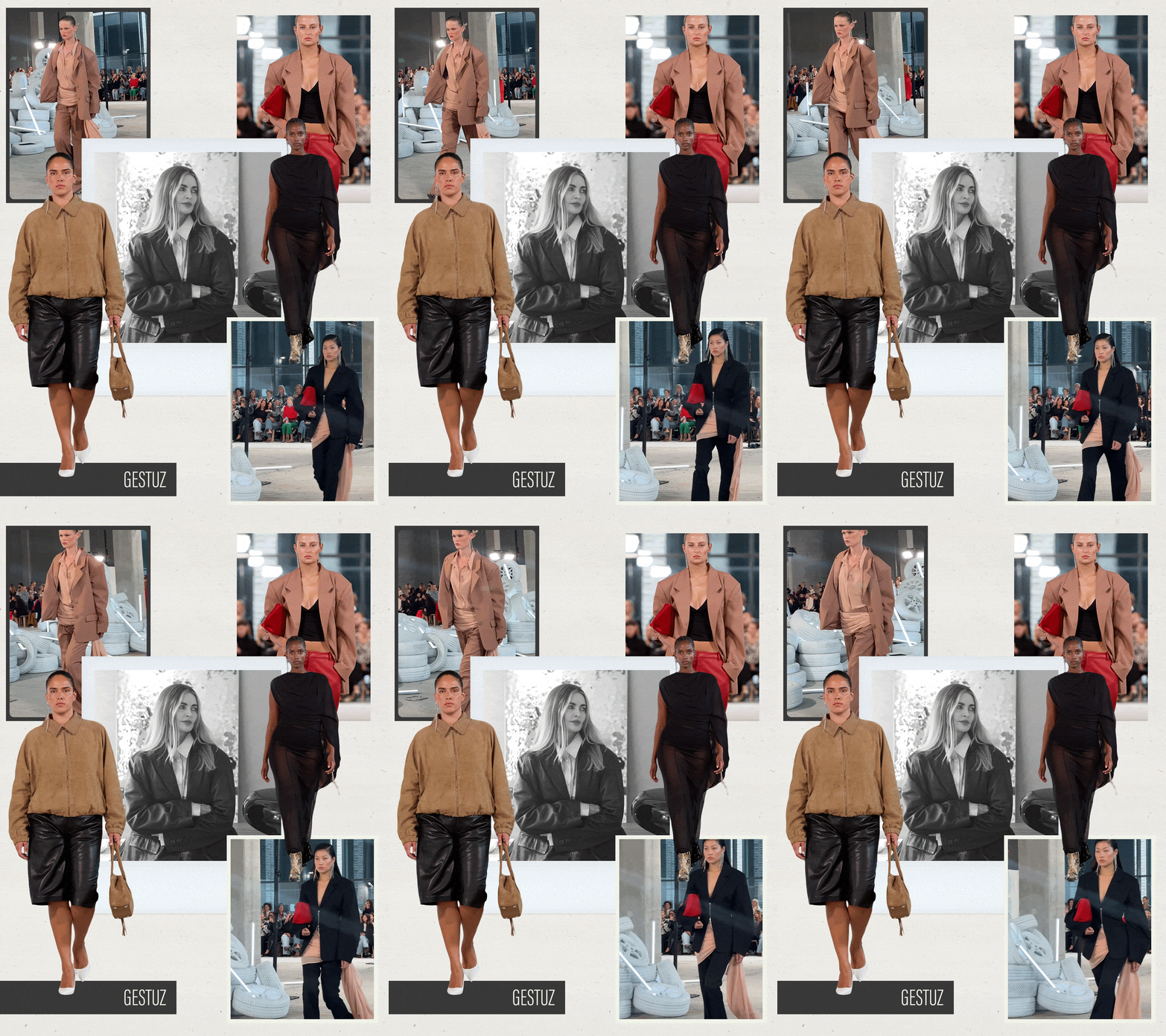
Since launching Gestuz in 2008, founder Sanne Sehested has approached design with a clear intention: to create clothing that empowers women instead of overshadowing them. “I wanted to create designs that emphasize the strength of women rather than overshadow,” she says. Inspired by a wardrobe full of vintage pieces and a keen sense for balancing masculine and feminine elements, Sehested shaped a brand that reflects the rich complexity of real women’s lives. “My Gestuz muse is not one thing or one size or one age. She is full of contrast and wants her wardrobe to express that,” she explains.
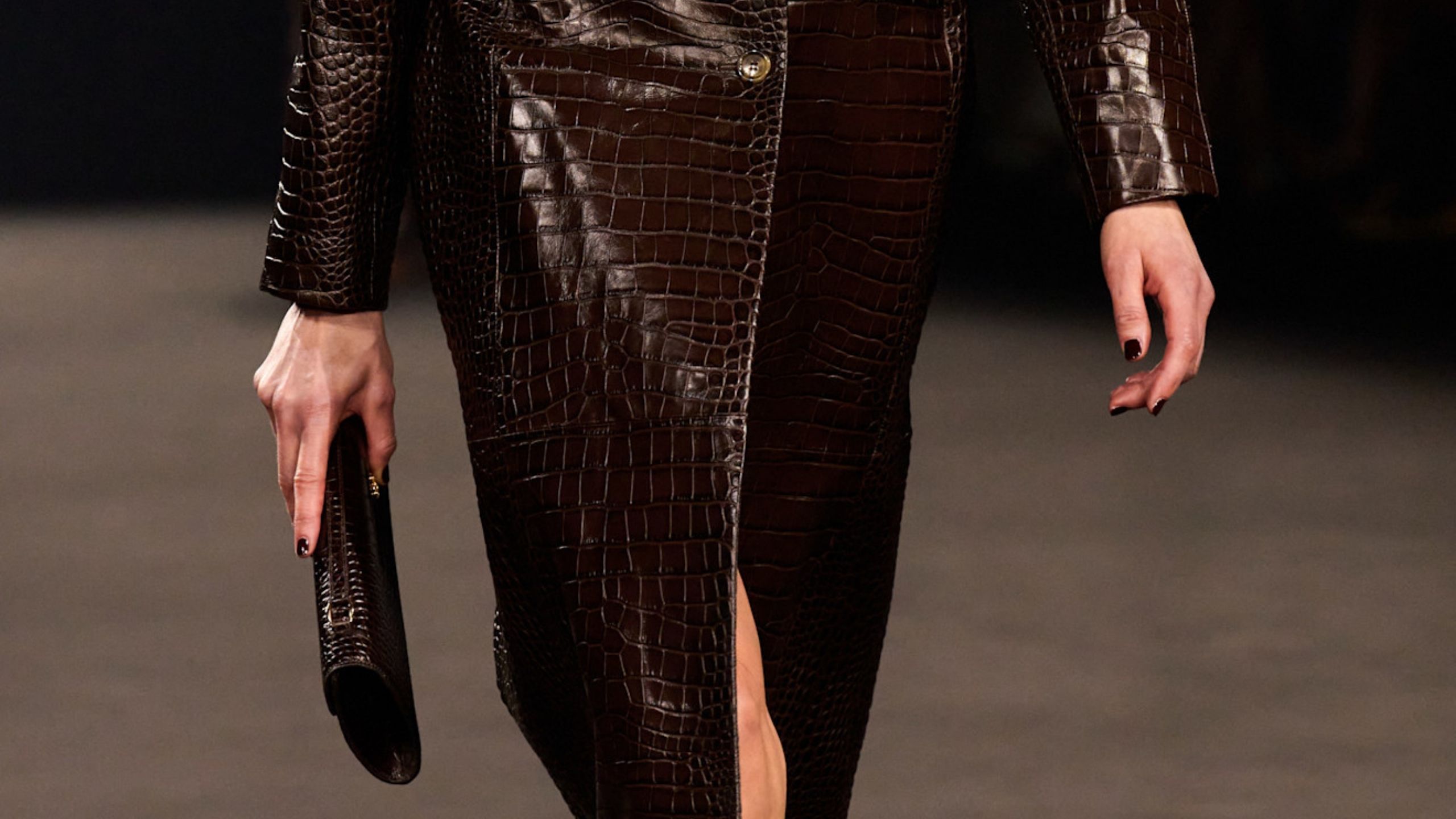
Whether it’s a sharp leather suit or a soft, flowing dress, every collection is influenced by her all-female team and their lived experiences, rooted in the idea that femininity is fluid and self-defined. “You can be a powerful businesswoman while wearing a draped dress, or a soft, caring mother in a leather suit with giant shoulder pads,” Sanne adds. Through Gestuz, she offers a distinctly Danish vision of womanhood—one that celebrates experimentation, duality, and the freedom to take up space however you want.
The term "designing from the female perspective" can mean many things. How do you interpret that idea, and how is it reflected in the way you build a collection?
I always want to explore the contrasts of femininity and masculinity in our collections. For me it is about creating pieces that I and my team would actually wear. I love the sharp suits and heavy denim. The edgy leather. But I also want to show the softer, slower, flowing qualities. Those that might be undermined or left behind but create a much more interesting journey when combined.