The Queer Hair Revolution: How Bright Colors Became an Act of Self-Affirmation
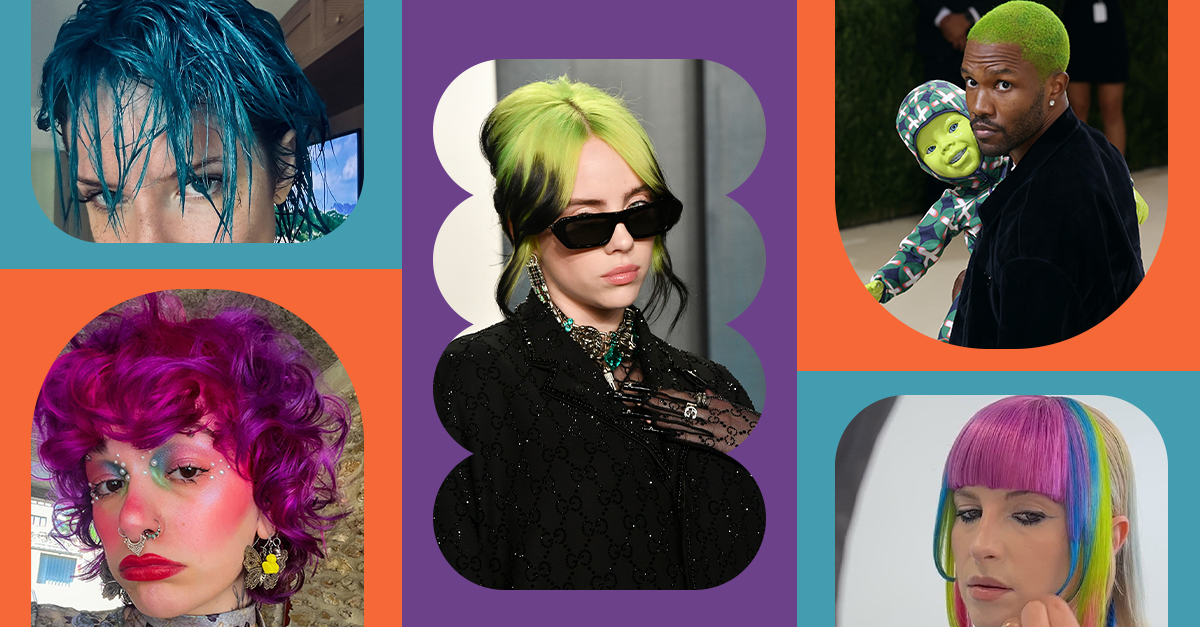
Mags Naylor has heard your "nonbinary barista with colored hair" jokes before. Trust me—they don't want to hear it. It's passé in their salon chair, but not for the reason you might think. "Whenever I do dye someone's hair blue, we always have to make the joke. Oh, you're a blue-haired they/them now because that's, like, a thing" Naylor says. "'But we're doing it in a way that almost makes fun of people who have those views."
Still, the stereotype persists, and it's worth busting right away. Not every queer person has bright fantasy hair. For many, though, vibrant color is a powerful way to express their identity.
For the last three years, Naylor has run Exhibit Salon—a queer-owned hair salon in Greenpoint, Brooklyn, specializing in gender-affirming haircuts, vibrant hair color, and inclusive grooming. Despite the ever-looming political threats out of Washington, DC, aimed at dismantling LGBTQ+ rights, business is thriving, and so is rainbow-colored hair dye. None of Naylor's clients have abandoned bold colors out of fear of being targeted or perceived as "too queer." If anything, Naylor says, more people are doubling down on fantasy shades and refusing to dim themselves, even in uncertain times.
"There's a joy that's being associated with it," Naylor explains. "It's also a way to flag someone else that their politics or their beliefs exist in a world where the culture is getting more conservative."
For many queer and gender nonconforming folks, beauty isn't just about aesthetics. It's a way to reclaim identity, affirm presence, and take up space unapologetically. Hair, like clothing and accessories, has long been used as a silent signal, a means of expressing who you are before you say a word. In today's political climate—where even pride pins and fruit-shaped hair clips can be read as statements—nothing declares it louder than shaving your head and dyeing it green.
"Dyeing your hair is a choice you to make, and in a climate where a lot of choices are being taken away again, it's a radical act that leads you to feel better about yourself," Naylor notes. "When you go to a salon and … have bright yellow hair all of a sudden, you can look at yourself with joy."
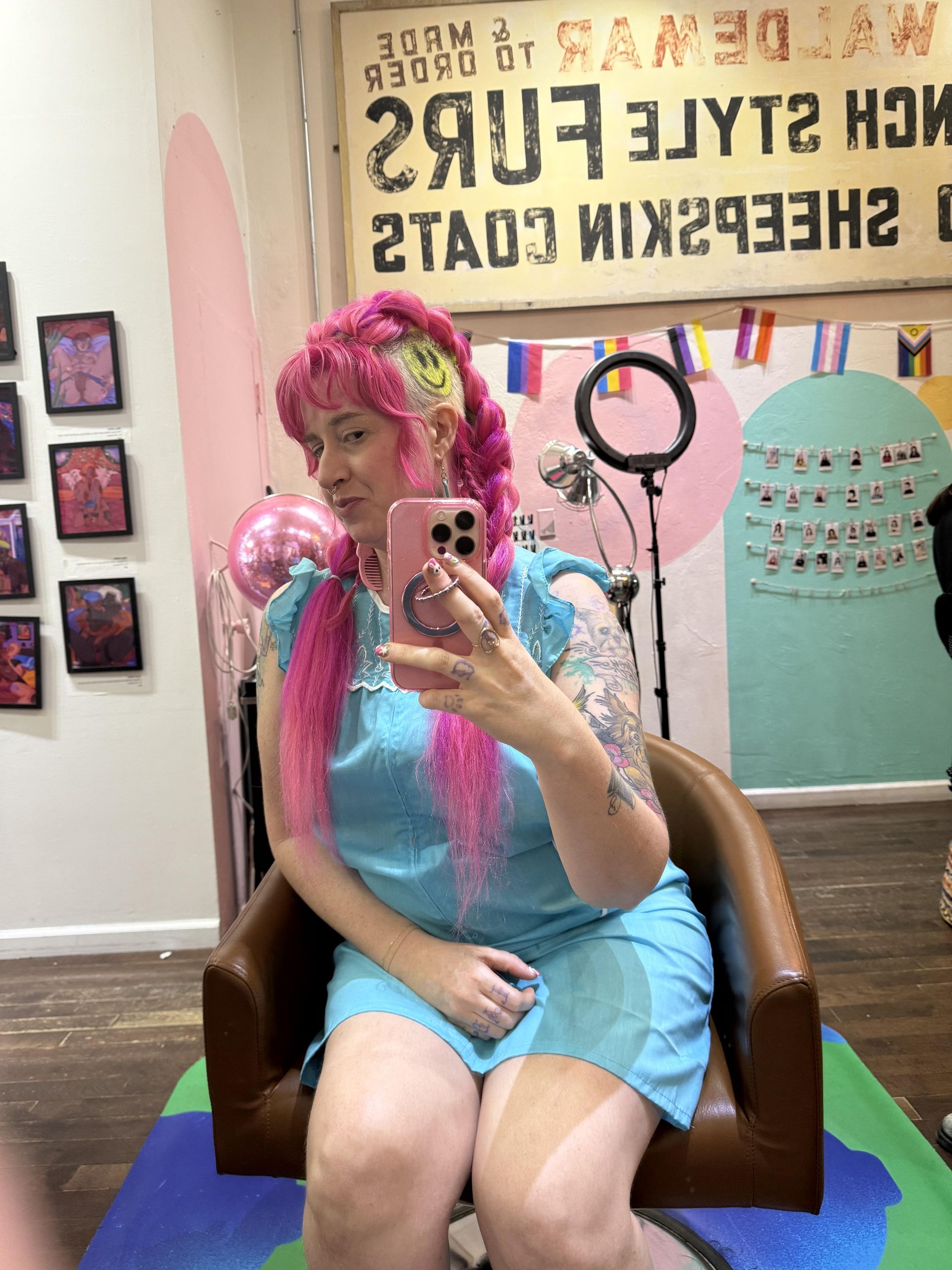
Fantasy hair color is a way to take up space unapologetically and be seen on your own terms—sometimes even before you're ready to speak out loud. For Richard Gallo, a senior beauty director at a New York City–based public relations firm, the choice to experiment with hair colors began long before Gallo was even out to himself. Growing up in a religious household, Gallo remembers flipping through early-'90s hair magazines in salons and convincing his dad to buy him Joico Ice Spiker Colorz. "I'd always center my Halloween costumes around something that would allow me to do a different hair color," Gallo admits. After the costumes were packed away, the hair gel remained—a secret indulgence he'd revisit behind the closed door of the bathroom.