The New Elite Way to Shop Is Off the Grid and Invite Only
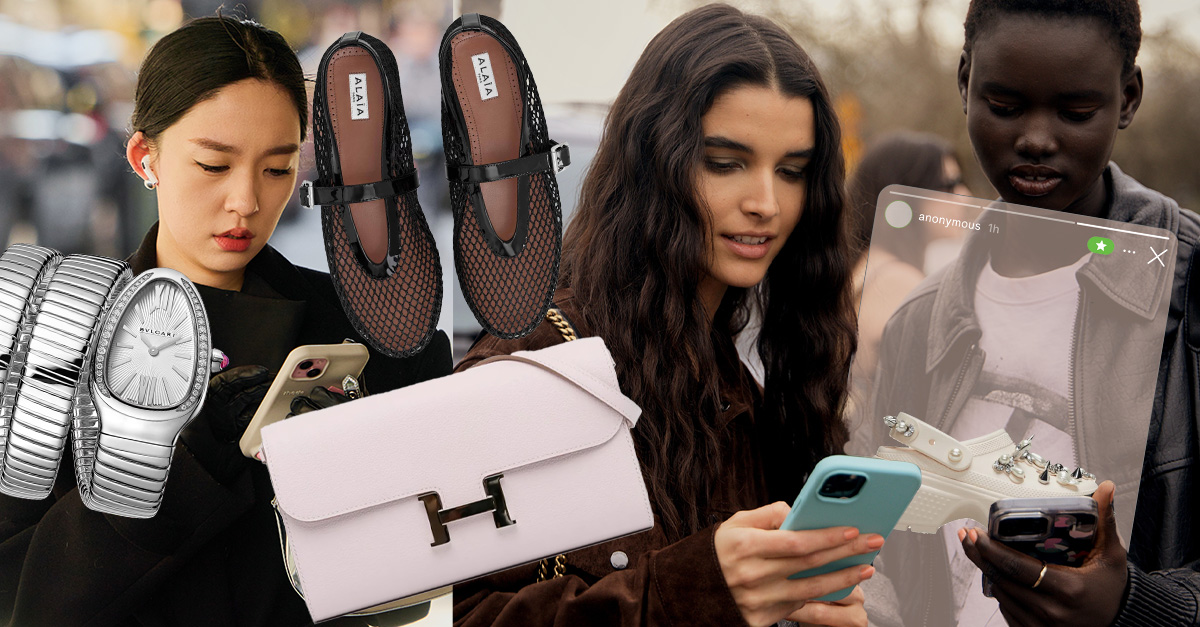
Stylist Lizzie Wheeler's Instagram Close Friends story isn't filled with emotional oversharing or long-winded rants about her annoying coworkers like any other millennial's might be. Instead, it's stocked with vintage Prada skirts, sample-sale Pucci tops, and pink Hermès Constance bags—each one up for grabs, if you're fast enough. Blink and you'll miss it: A blurry shot of '90s kitten heels captioned "DM to claim" can vanish in minutes, claimed by someone quicker, savvier, more tapped in. This isn't just shopping; it's an exclusive backstage pass to someone else's closet.
In 2025, the rules of secondhand luxury have been rewritten. Stylists, editors, and influencers are ditching third-party apps and selling directly to their followers. In a sea of ShopMy links, the shift to secondhand, personal selling is reflective of what we're aspiring for as a society post–peak content creator saturation: trust, curation, and, most of all, exclusivity.
Over the last few years, personalized peer-to-peer shopping platforms have upended the norms around secondhand shopping. Welcome to the golden age of the internet, where with a single click on someone's social media bio, you can access their closet. For content creators, the appeal is obvious. Pickle—a clothing marketplace—has quickly become the app du jour for influencers looking to offload their wardrobes. Since its launch in 2021, Pickle has tripled its net users year over year, fueled by a growing obsession with creator-driven commerce.
At the center of this shift are Pickle's creator closets, curated by influencers whose personal style and online personas feel aspirational—but also accessible. They're often front and center at every function, dressed in an outfit you'll either see on their ShopMy or dissected later on r/NYCInfluencerSnark. Their followers are watching closely and, more importantly, renting the exact outfit that went viral on social media weeks prior.
"Within creators' own closets and with their social posts, they're really showcasing how they styled a piece or an outfit, and that makes our customers really excited about that item," Pickle cofounder Julia O'Mara explained. She nods to several big-name creators with closets on the platform, most of whom have spoken publicly about how in-tune they are with their audience and what they're buying, wearing, and saving. "They're having this constant interaction with their audience, where people are DMing them and saying, 'Hey, I love this outfit so much. Can you please add it to your Pickle closet?'" It also doesn't hurt that renting and selling their clothing to dozens of loyal followers is a lucrative side hustle, O'Mara admits. According to Pickle, the app's top lenders can make upward of $3000 a month by loaning pieces from their wardrobe on the platform.
This is parasocial shopping in action: a blend of fandom, fashion, and perceived intimacy that blurs the lines between influence and transaction. It's not just about liking someone's outfit; it's about feeling like you know them. Owning a sliver of their wardrobe—even if it's just renting that one vintage Fendi baguette bag for your college friend's wedding—might bring you one step closer to their lifestyle.
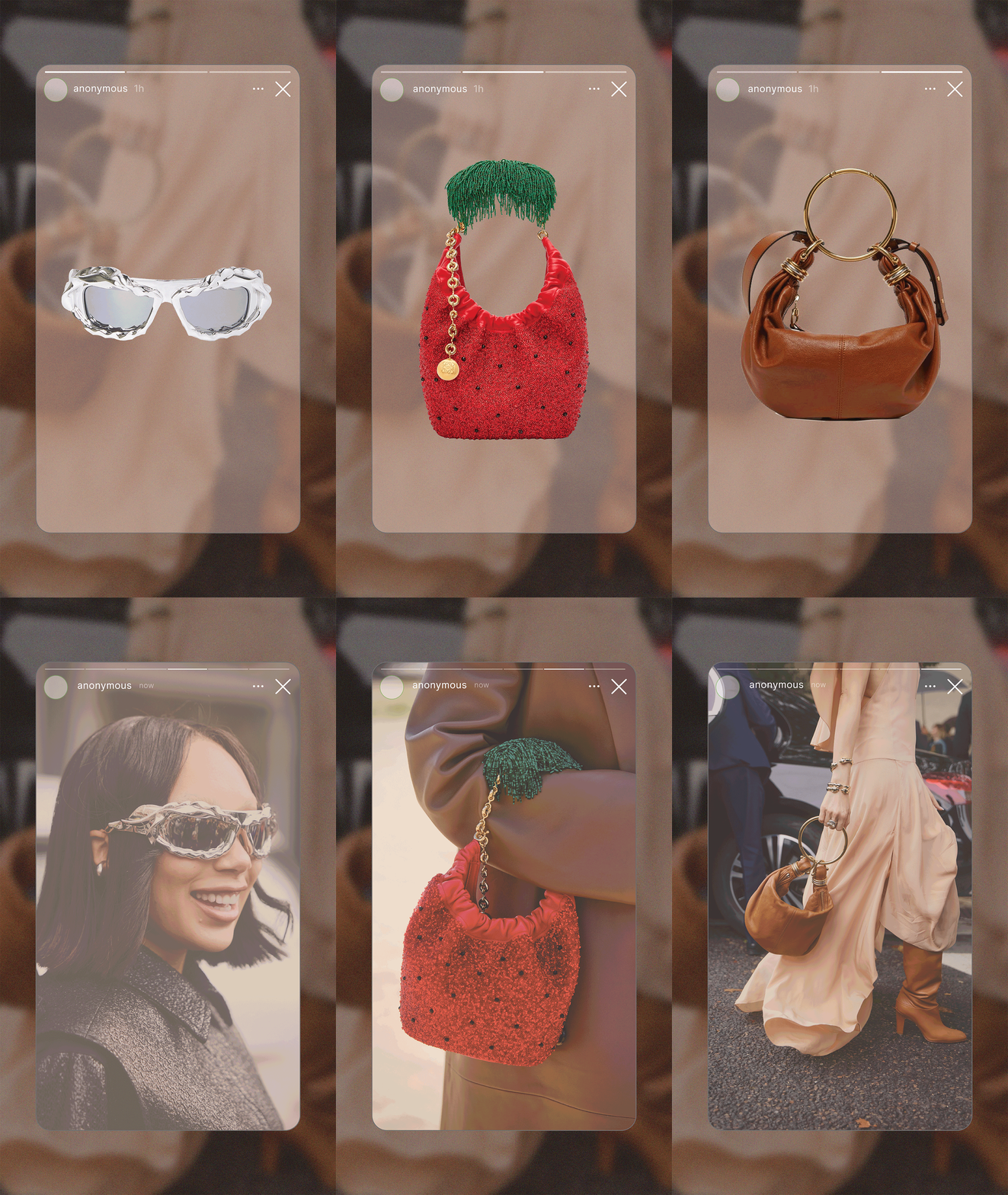
What's better than going straight to the source, though? In recent years, celebrity and influencer closet sales feel like a weekly occurrence in New York, each once promising a world of archival gems and hard-to-find runway pieces that only the coolest It girls in Manhattan would wear. Chloë Sevigny, Jenna Lyons, and Paloma Elsesser have all taken part. "When creators post about closet sales, in-person or not, things are much more fairly priced in a way that resale platforms and consignment stores are not," admitted one anonymous fashion writer who supplements her income with closet sales on her Instagram story. "There's also the fact that not only are you buying a piece from someone you really admire, but you're having a direct conversation with them," she explained.