I Spoke to British Fashion Muse Tish Weinstock—See Inside Her Goth-Chic Wardrobe
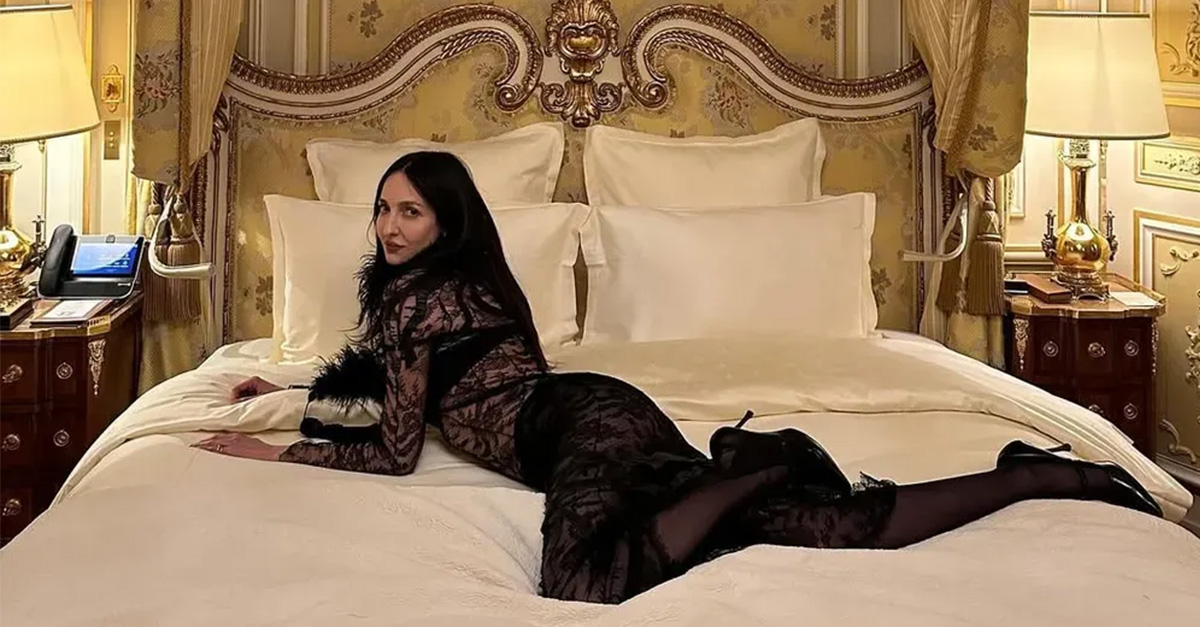
Admittedly, the night before my call with Tish Weinstock, I had a realization: although I’ve followed her work for years—starting when I was an intern at i-D in London, where she was Features Editor—I hadn’t fully registered that she was the one who gave me my very first byline.
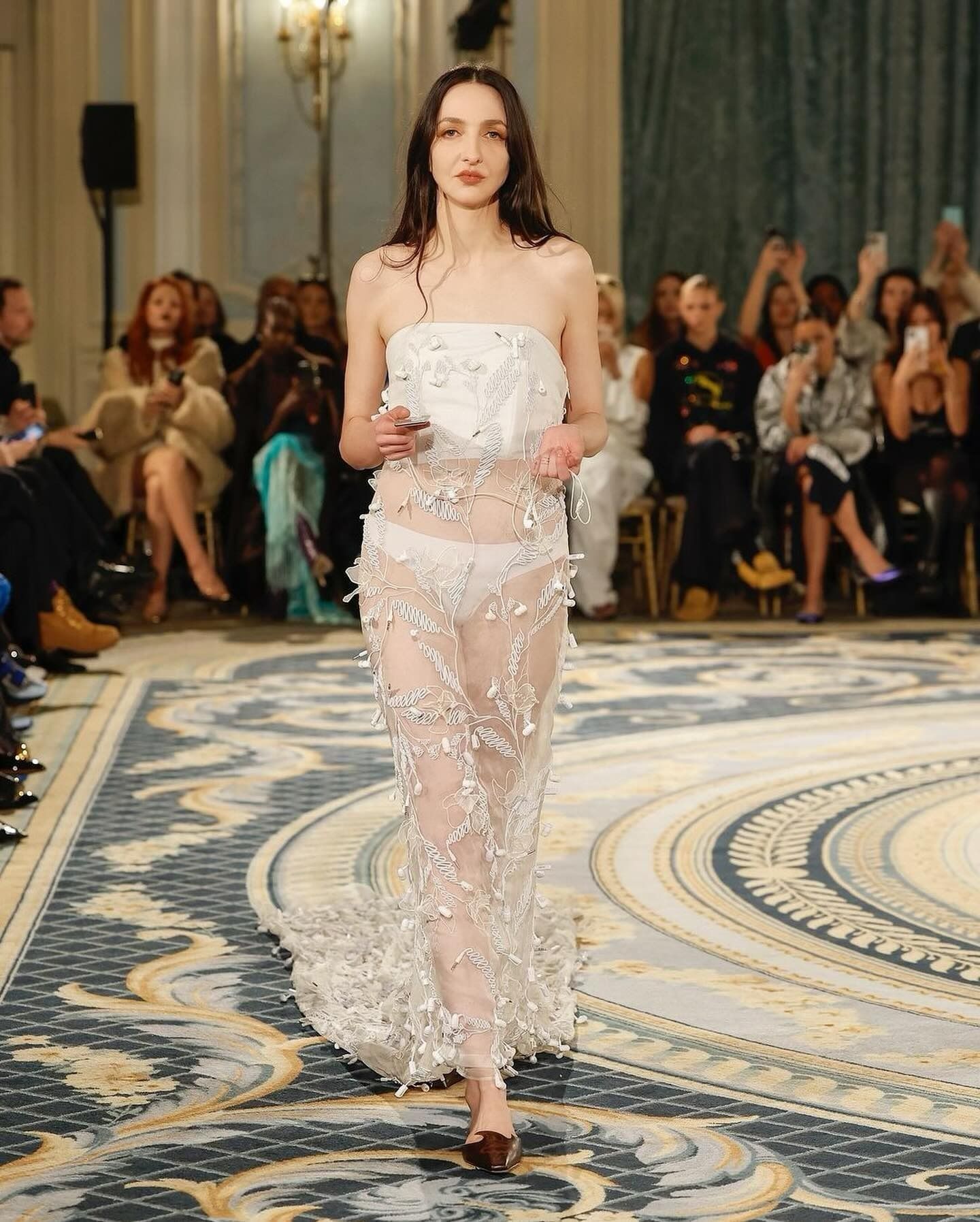
I’m reminded of my initial impression of her all those years ago: inspired by her approach to fashion and the distinctive path she’s carved out in the editorial world as a writer and editor. Since then, she’s become something of a British style icon—moving from i-D to Dazed Beauty to British Vogue and System; modeling for Vivienne Westwood and Maison Margiela; walking runways for Chloé and Conner Ives (which she began doing in her 30s); releasing her first book, How to Be a Goth: Notes on Undead Style, in 2024; and recently launching a Substack.
While I’ve always admired her taste and trajectory, I caught up with her to talk about career twists, getting dressed, motherhood, advice—and, of course, her shopping recommendations.
How did you get your start working in magazines?
I studied art history at Oxford, and I did internships at Tank, Garage, Vanity Fair, and my final resting place as an intern was i-D magazine. I just basically stayed there for ages, and I left as Features Editor. I left to go and do Dazed Beauty with Isamaya Ffrench.
What got you into beauty?
It wasn't because I cared particularly about makeup. The reason why I got into beauty was writing about it at i-D. It was really performing well online because a lot of it was about third wave feminism, the internet, body positivity—all of these conversations about diversity, inclusivity, self acceptance were really starting to sort of proliferate through the culture. There was this moment where people were sitting there in their bedrooms doing crazy makeup—obviously people have been disrupting the codes of beauty for years, like Grace Jones, David Bowie, Siouxsie Sioux—but they were very much seen as on the fringes of culture, whereas we were suddenly seeing these things on a mass scale and at a viral pace. It was just this onslaught of imagery of alternative beauty. Isamaya was using a lot of tech to reimagine what beauty could look like. I remember at the time people were like, "What is this beauty?" But now look—it was very much ahead of its time.