I Got a Japanese Gel Manicure, and I Won't Ever Look Back—Everything You Need to Know
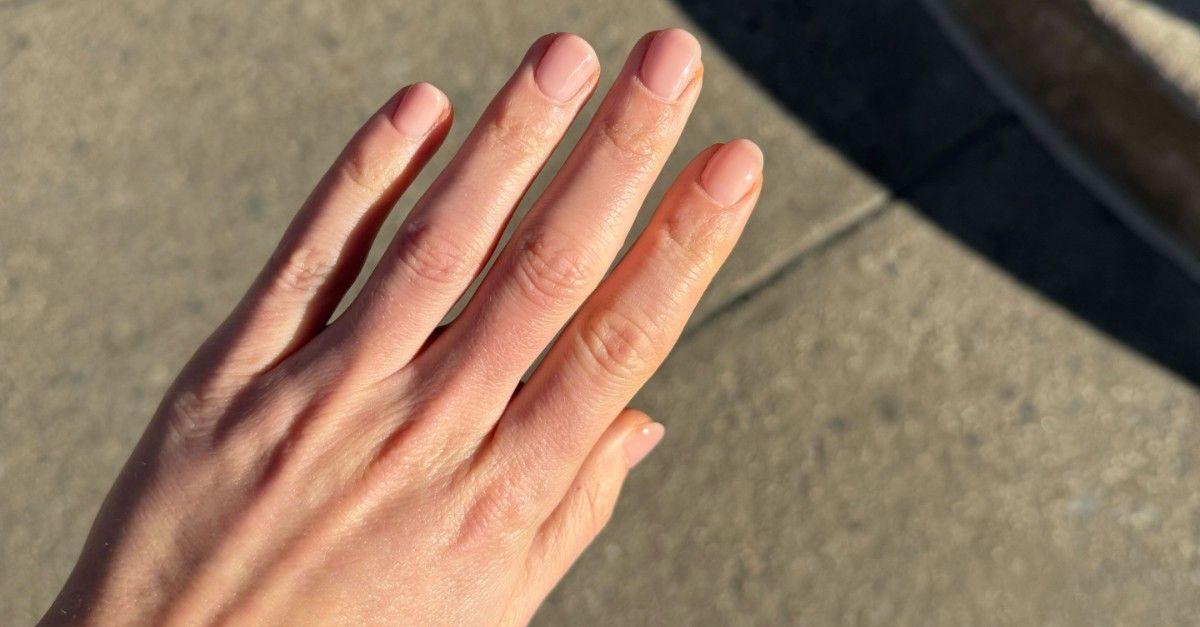
I'm a beauty editor, and I rarely have my nails painted. That sentence is borderline blasphemy coming from someone who spends 85% of her time researching, saving, and writing about trending nail colors, but don't think that means I neglect my tips entirely! I just typically resort to a "naked" nail look with a strengthening base coat or a chiffon-like nail concealer.
For my November wedding, however, I wanted to go the extra mile. I didn't want to reinvent the wheel exactly (I aimed to look like myself in every way, and that means maintaining my neutral-toned manis), but I felt inspired to try a little something special—something that would also last well beyond the "I dos." There are plenty of last-minute details to stress over leading up to a wedding, and I refused to have chipped nails be one of them.
A gel manicure seemed like the most obvious long-wear choice, but then a friend suggested I try Japanese gel. "It's way better," she promised, and she always flaunts the most stylish sets, so I had my bridal mani booked the next day. Now? I won't ever get anything else for a big event. Read on for my full review, complete with before and after photos and need-to-know expert tips.
What Is a Japanese Gel Manicure?
"It’s similar to a regular gel manicure: prep, base, color, and top coat, cured under an LED lamp," notes celebrity manicurist Brittney Boyce. The difference is that the premium gel itself stems from—you guessed it!—Japan. A hybrid between soft and hard gel, Boyce shares that it can give nails a bit more strength and durability while remaining lightweight and natural-looking. "It’s especially good for people who want something gentler but still strong," adds celebrity nail artist Julie Kandalec. "They’re loved for being smooth, reliable, and very artist-friendly. "
Japanese Gel vs. Regular Gel
How does it compare to run-of-the-mill gel mani, you ask? Well, as Boyce mentioned, that hybrid formula means that the nails will have extra strength without feeling too clunky or unnatural. "It adds extra structure and flexibility, helping nails hold their shape a bit longer," she notes.
Japanese gels also tend to be more pigmented, says Kandalec, and the finish is "extremely clean and refined," namely because the product itself comes in small pots instead of traditional gel bottles. "The nail tech applies the gel with a separate brush, which offers a lot more control and precision," Kandalec adds. "Since the tech can choose the perfect brush for each step, everything from solid color to French tips to detailed art looks crisp and smooth. The higher pigment means the color shows up really well, and the texture makes it easy to get an even application. Many brands also focus on nail-friendly formulas with fewer solvents or added nourishing ingredients. Overall, it’s just a more elevated manicure experience."
That elevated experience does come at a higher cost, though: In general, Japanese gel manis tend to be more expensive than regular gel. That said, you do have the option for fills instead of full removals with Japanese gel, so the lower cost of maintenance might make the overall price a little more balanced.