How Fashion's Most Famous Shoe, Chanel's Slingback, Came to Be
Welcome to Icons Only, Who What Wear UK’s deep dive into classic items that are once again under the spotlight. This month, Who What Wear UK's Ava Gilchrist charts the rise and rise of the most noteworthy shoes of all time, the Chanel Slingback.
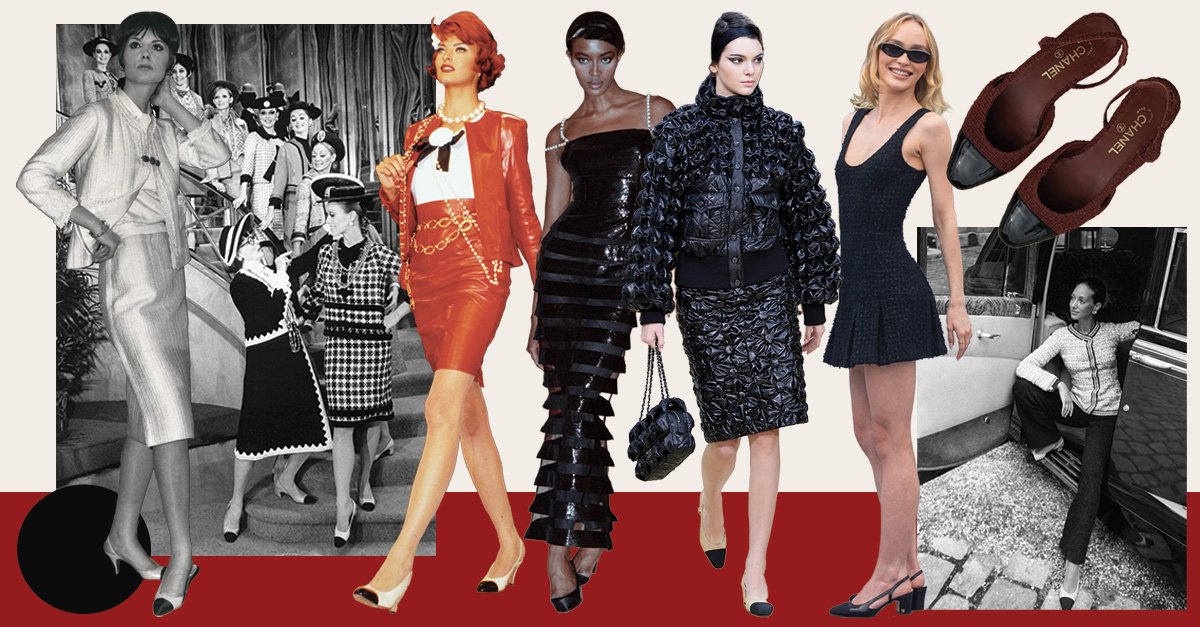
It’s hard to imagine a time before Chanel’s slingback shoes. The two-toned style featuring a rounded toe cap and a dainty strap that hooks around the ankle is a staple of the French maison—a motif synonymous with elegance, ease and Parisian sophistication. It’s these qualities that have made the footwear style so ubiquitous, spotted everywhere from the runway and front rows of the Grand Palais for the luxuriate’s seasonal showings to the next emerging actress being snapped on the Boulevard de la Croisette at the annual Cannes Film Festival. In actuality, the time was 1957. A few years after Queen Elizabeth’s coronation and a decade before Mary Quant’s miniskirts would dominate Soho, the first iteration of the shoe stepped onto the scene, changing the course of designer footwear forever.
“With four pairs of shoes, I can travel the world,” the legendary designer once said of the style. As outlined in the companion book to the first exhibition dedicated to her life and legacy, Gabrielle Chanel: Fashion Manifesto, the debut offering was in fact a quartet created for every occasion: “Black-toed for daytime and general wear, navy blue for summertime, brown for a ‘sporty’ look and gold for evening”.
Now, the Chanel slingbacks are rendered in everything from candy coloured tweed to dazzling glitter fabric and grosgrain, a testament to the enduring legacy of the shoe and its ability to be boldly reinterpreted by whomever is at the helm of the house. Its perennial appeal is a testament to the timeless femininity that Chanel is built upon. Irrespective of the trend du jour, the sign of the times or the tastes of the wearer, the brand’s slingbacks are an everlasting fashion signature.
But how have they evolved from a sigil of Chanel’s comeback to a recognisable icon in their own right? With hero buys like the titular No.5 fragrance and the quilted 2.55 handbag, what about the slingbacks has made them stand above the rest? Ahead, fashion historians, celebrated Chanel collectors and style psychologists trace their origins and help weigh in on their unwavering impact.
Back in Time: The History of Chanel Slingbacks
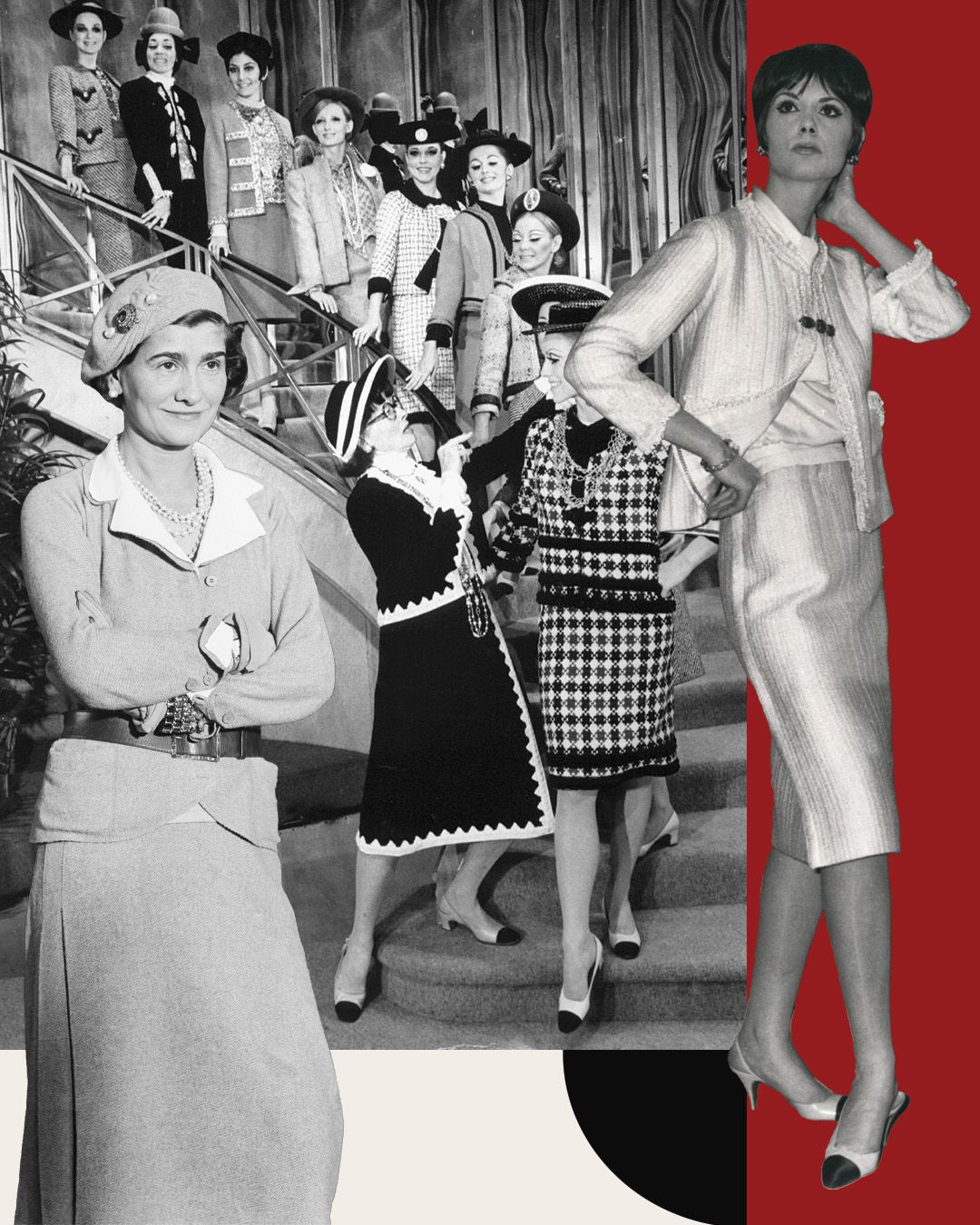
A mere 18 years before the inception of the Chanel slingbacks in 1957, the eponymous former milliner had taken a step back from fashion in response to the outbreak of the military action raging across Europe. Between her residences at The Ritz and an apartment above her atelier and boutique at 31 Rue Cambon, Chanel watched on as the world changed. “Chanel only re-opened after World War II in 1954, so the period when these shoes were introduced was very much a period of rebuilding for the house,” explains New York-based fashion historian, author and curator, Emma McClendon.
“An important context for the shoe is a comparison with the Roger Vivier stiletto heels designed for Dior to accompany his ultra-feminine, corseted, A-line styles,” she adds. “By contrast, Chanel's slingback shoe is remarkably more comfortable—it has a block heel that's lower and a rounded toe, as opposed to a pointed toe. These design elements make the shoes much easier to move and walk in,” she continues. “Chanel had spent the interwar years building the reputation of her house as the pinnacle of dressing for the modern woman. A woman who didn't wear corsets, who wanted to be able to breathe in her clothing as she moved about the city in her fast-paced, modern lifestyle.”