
Experts Confirm: This Is the Correct Order to Apply Your Skincare Products

In the beauty space, skincare can often be the most confusing for many. Even as a beauty editor, it's hard for me to sift through the conflicting advice you can see flying around. Couple it with skincare trends and new beauty products cropping up every single day, and it can be all too easy to be derailed into a skincare routine that A) doesn't work for you, and B) can compromise your skin barrier. And no one wants that.
If there's one takeaway I always get from speaking to skincare experts and dermatologists as part of my job, it's that having a consistent skincare routine order is key. I know, it sounds a bit boring. But when it comes to our skin, it likes routine. And consistently using the same products, from your cleanser down to your SPF, can do wonders for your complexion. But, it's also important that we have our skincare routine order nailed, too. After all, there's no point in having a bathroom shelf full of serums and toners if we're not using them all correctly.
To clear things up, I asked Eleanor Hartley, founder and medical director of Hart Medical, to talk us through everything we should know about our skincare routine order, including your morning and evening skincare routine. Whether you're new to creating a skincare routine or a skincare devotee looking for a reset, here's how to perfect your skincare routine order.
Why Is A Skincare Routine Important?
"One of the things I always iterate to patients and clients is the importance of consistency. The routine itself I care less about. Whether it’s two or twenty steps, just that you are consistent," says Hartley. "If you chop and change products too much, you’ll never end up seeing the benefits of each ingredient, and your skin is perpetually trying to adjust to different things," she says.
"A consistent skincare routine supports the skin’s barrier function, which is its primary defense against environmental stressors, pathogens and transepidermal water loss," she adds. "When the barrier is intact, inflammation, dehydration and premature ageing are reduced. A structured regimen also allows for targeted treatment, maintains skin homeostasis, optimises cell turnover and preserves long-term skin health," she says.
So, if you're wondering how to structure your skincare routine order, scroll ahead for everything you need to know.
Skincare Routine Order
Morning Skincare Routine

1. Cleanser
Cleansing with a face wash is the first step of your routine. "If you don’t have sebaceous or oily skin, I usually recommend skipping a morning cleanse as it can unnecessarily strip the skin. If you are more oily, then a gentle cleanse with an unfragranced cleanser with minimal acids is appropriate for the morning," says Hartley. "I recommend a spritz with a hypochlorous spray (like Clinisoothe Skin Purifier, £15), which is antibacterial and will reset your skin's pH for optimal penetration of skincare," she says.
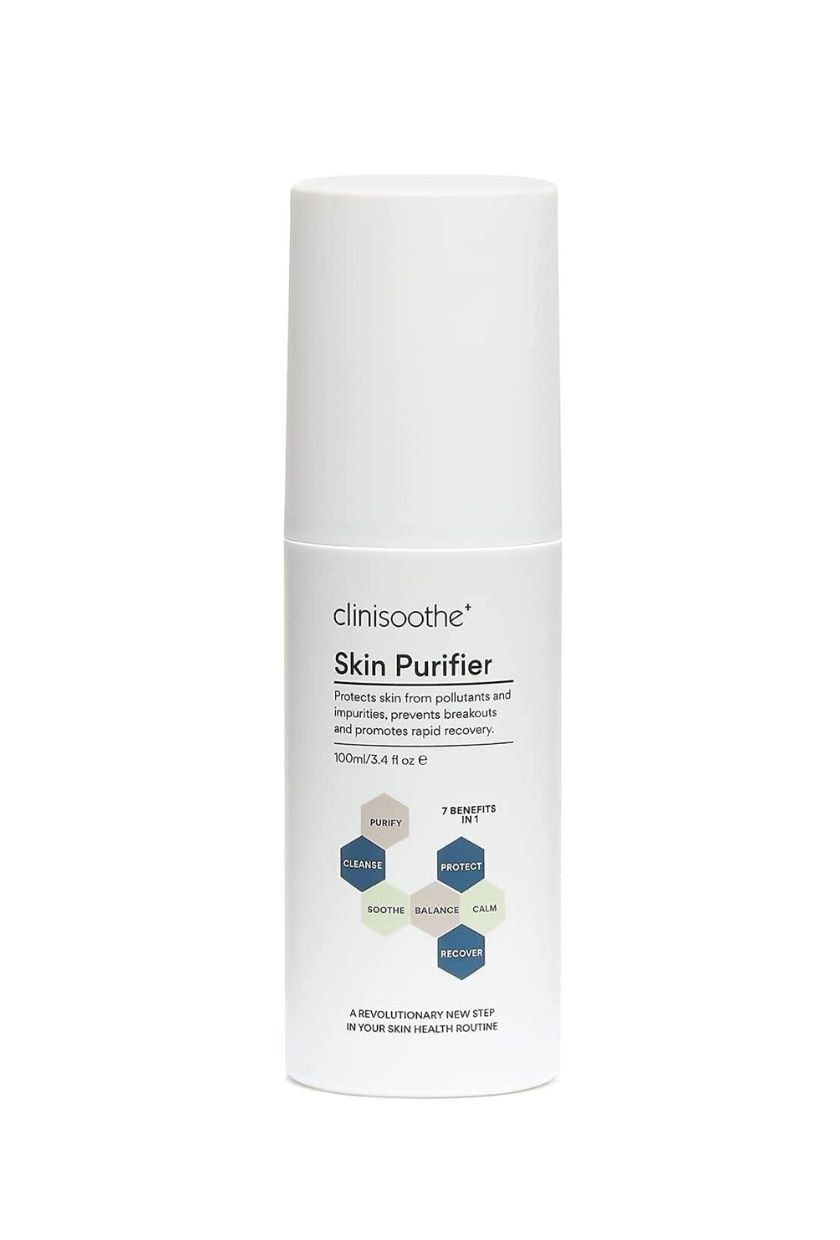
Clinisoothe
Skin Purifier
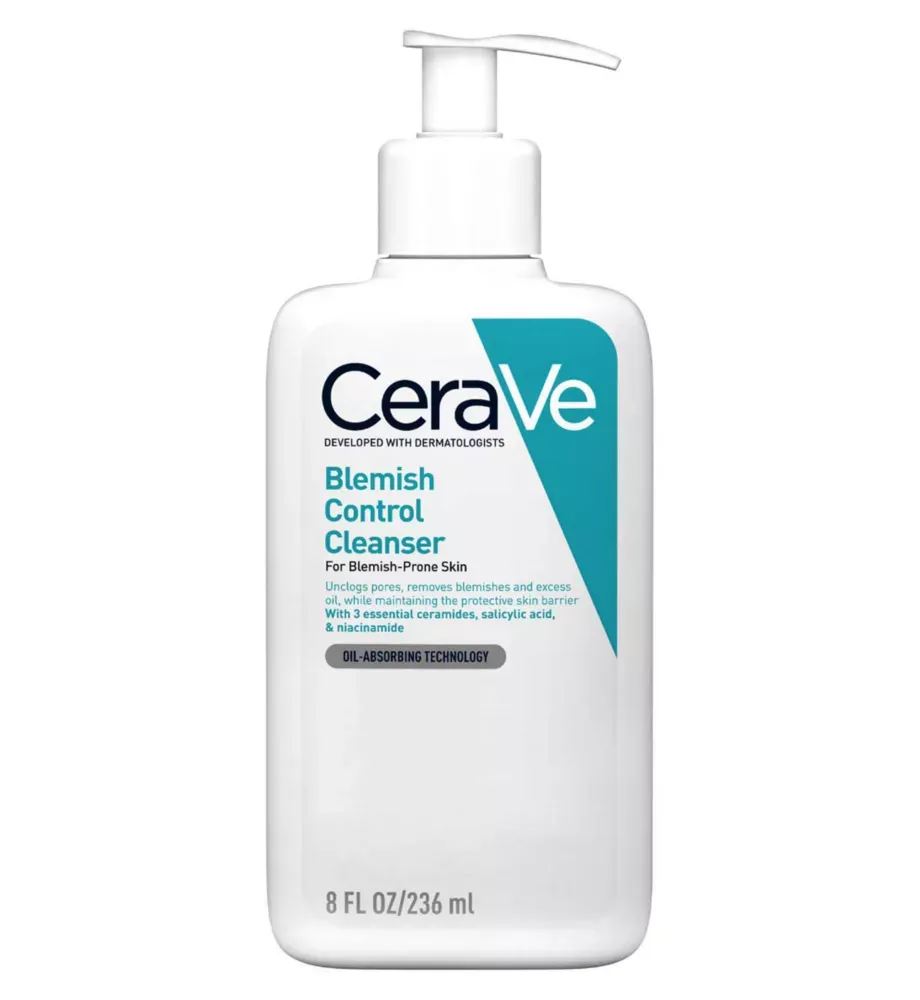
Cerave
Blemish Control Face Cleanser
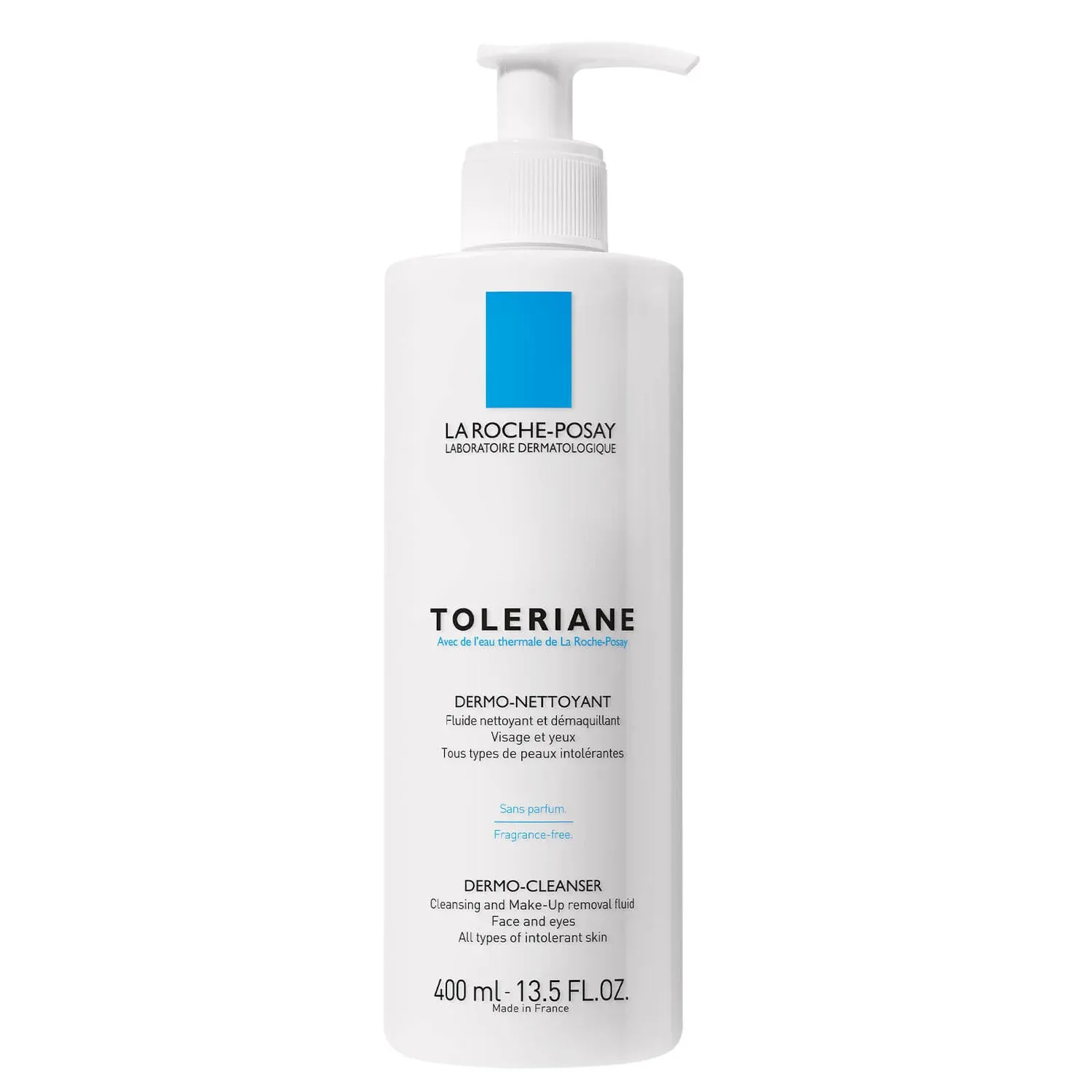
La Roche Posay
Toleriane Dermo Cleanser for Sensitive Skin
2. Toner
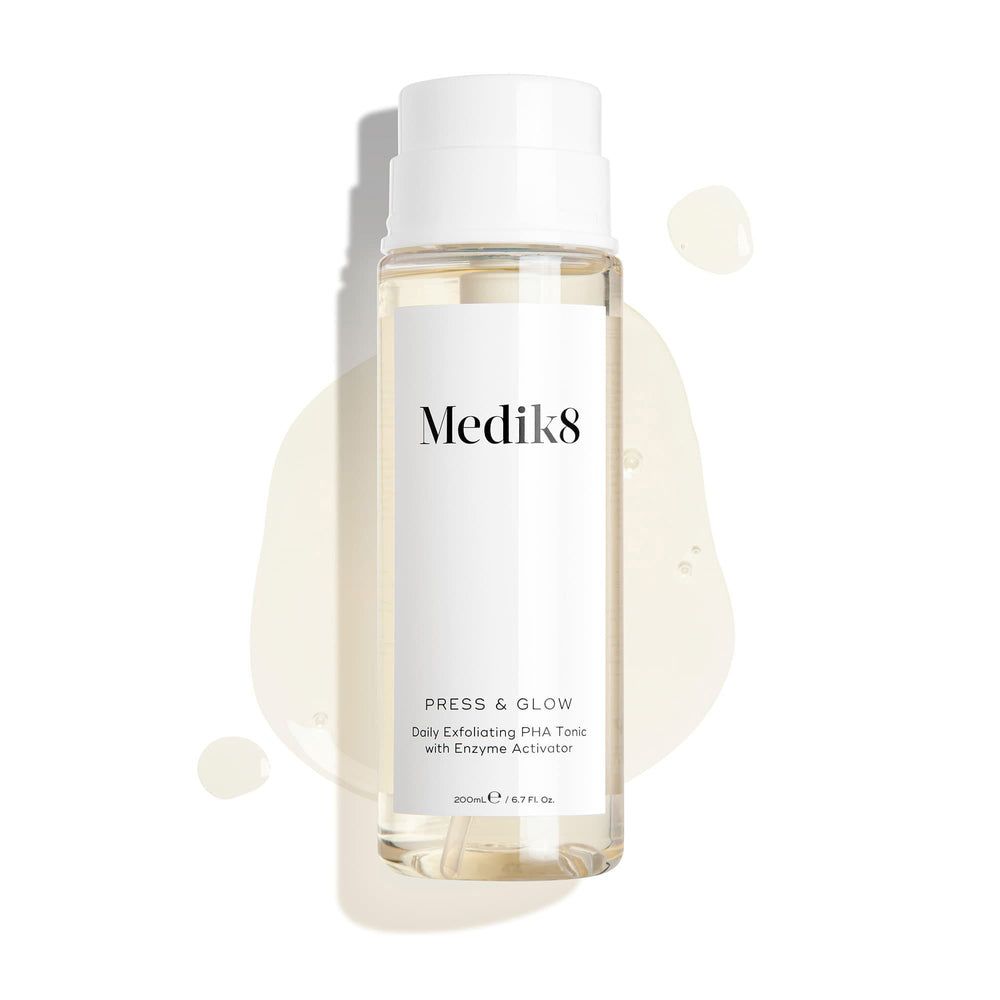
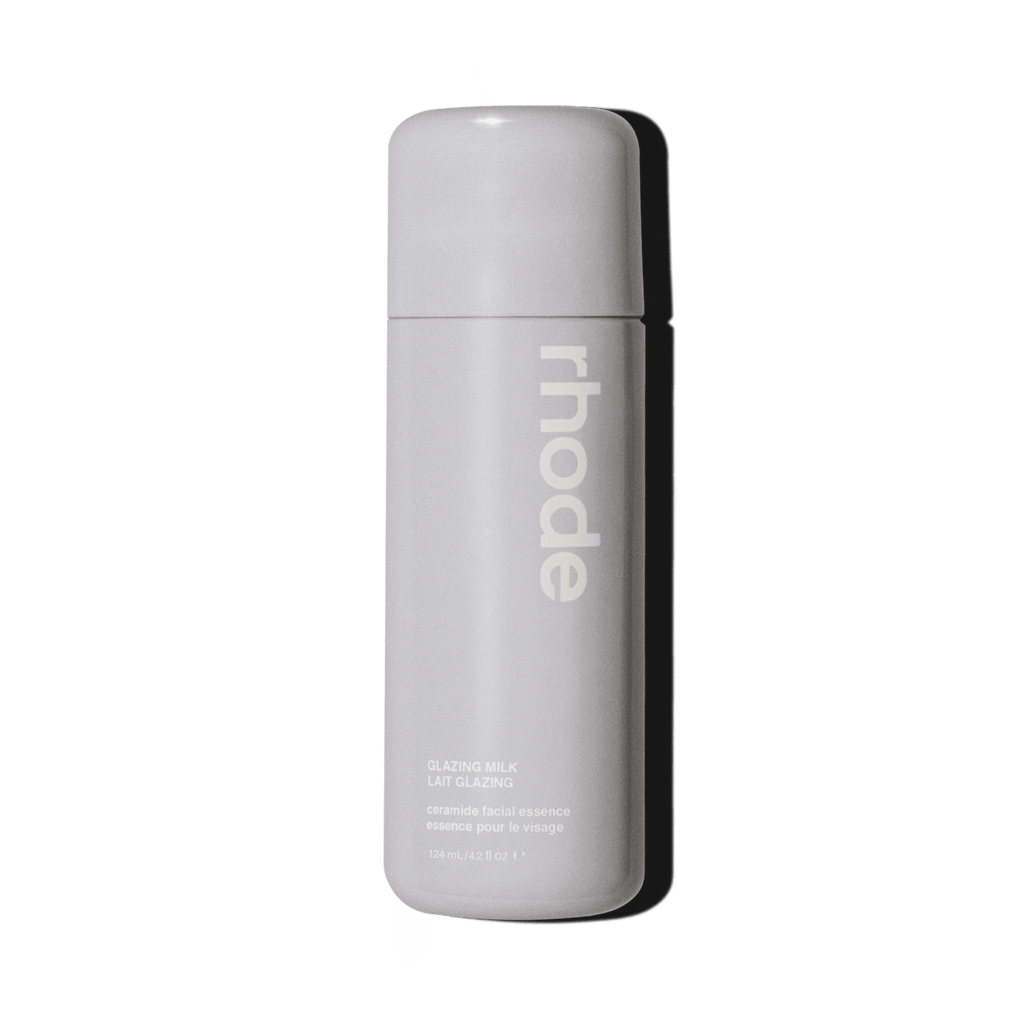
This step isn't essential, but a toner can be helpful after cleansing and before using your serums. "I find that most people don’t actually know why they are toning," says Hartley. "Toners help to reestablish the skin's pH (4.5-5.5) after washing with water (7.5-8.5). This helps to prep the skin for actives and optimise penetration," she says.
For congested and acne-prone skin types, a toner with salicylic acid can help to unclog pores and can be applied by sweeping it over your skin with a cotton round. Dry skin types may prefer a milky toner, which helps to add more moisture while balancing the skin pH.
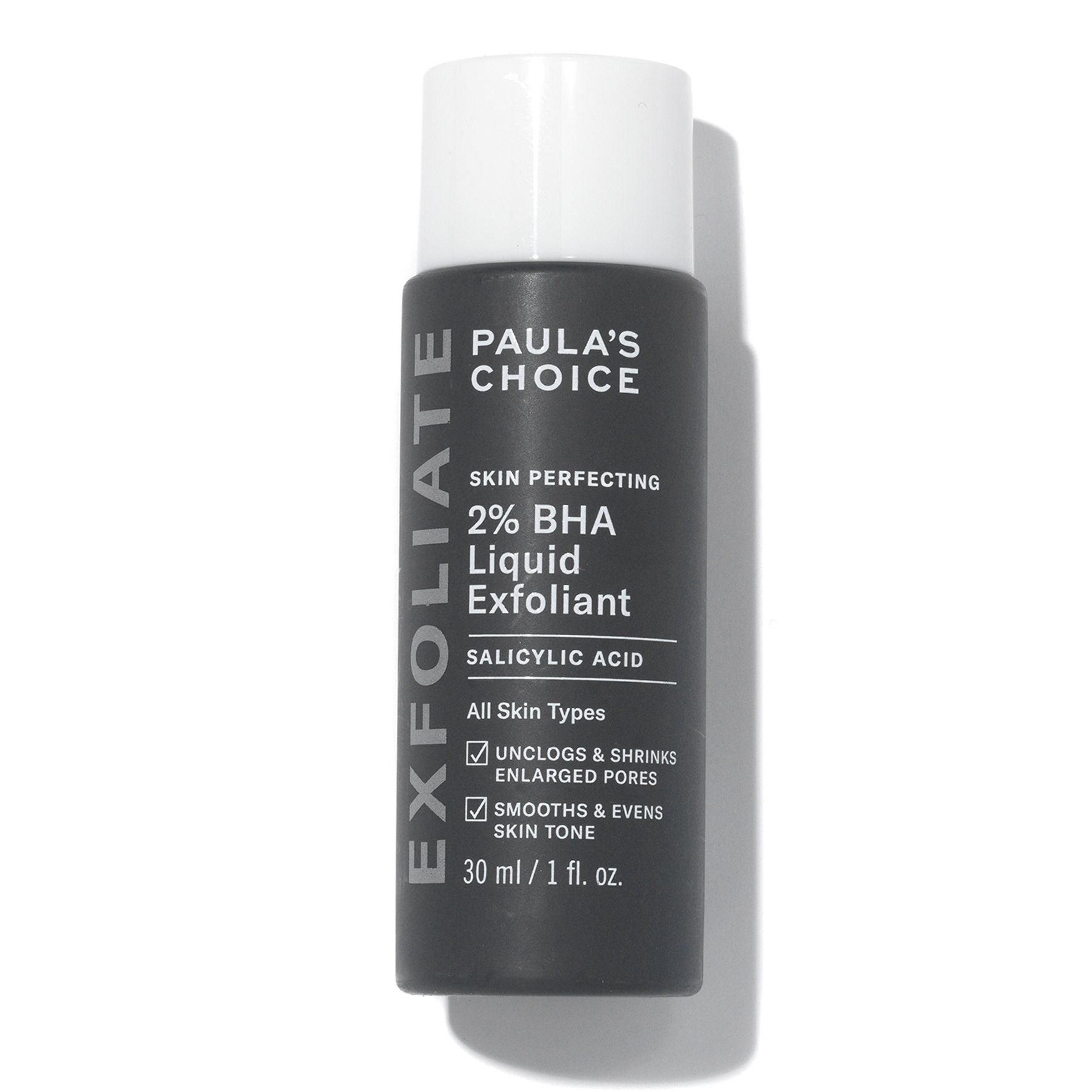
Paula's Choice
Skin Perfecting 2% Bha Liquid Exfoliant
3. Serums and Actives
Next in your routine are serums, which are the powerhouse of your skincare routine and are the key step to treating your specific skincare concerns.
"Here, you can apply serums containing antioxidants, humectants or exfoliating acids," says Hartley. "A simple rule is to apply products from the thinnest to to thickest consistency, allowing each layer to penetrate effectively without obstruction," she says. "This sometimes means waiting for a product to penetrate before applying the nextlayer."
A vitamin C serum is a great ingredient to apply to your skin in your morning routine. "The morning non-negotiable is your antioxidant serum. This will protect the skin from environmental damage," says Hartley. Another good all-rounder is a hyaluronic acid serum, which will help to hydrate and plump the skin.
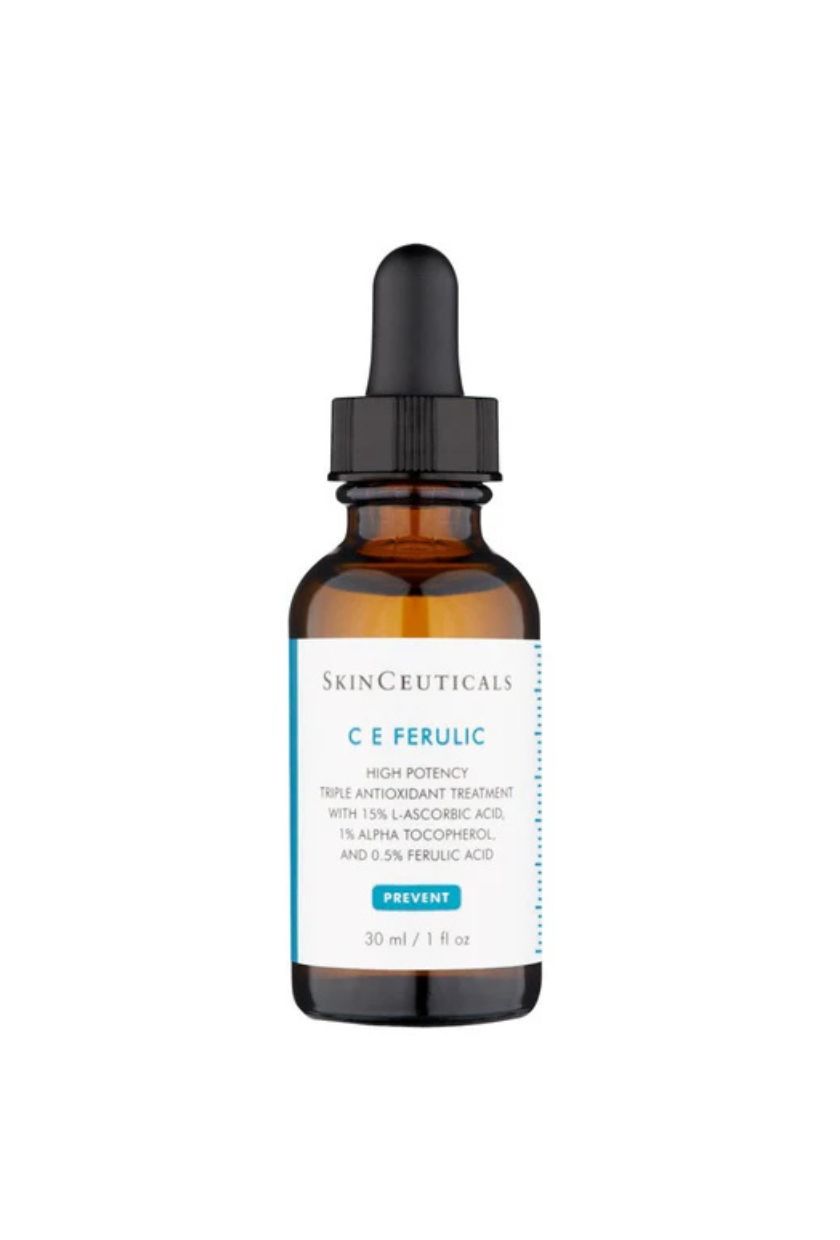
SkinCeuticals
C E Ferulic Serum
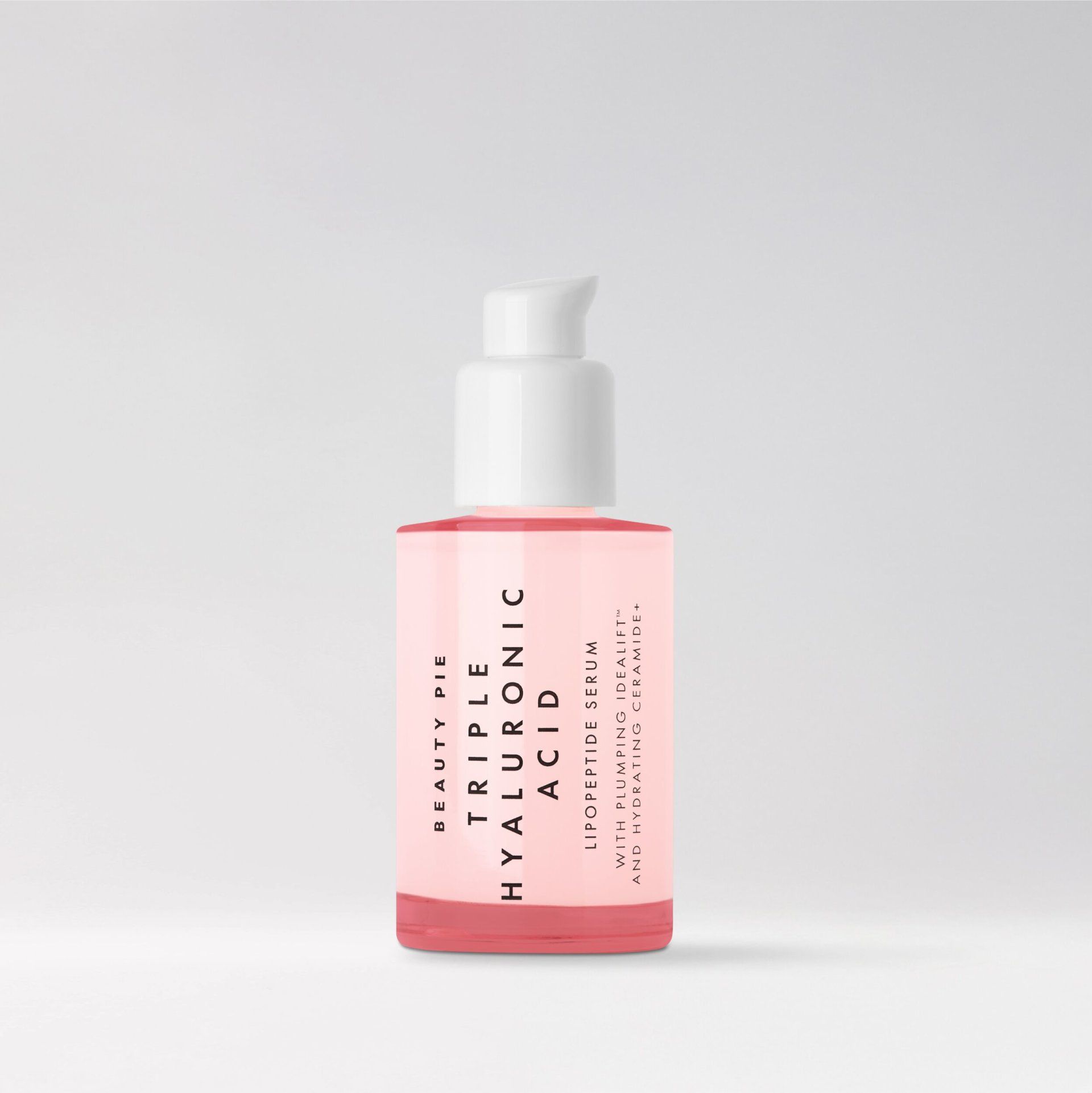
Beauty Pie
Triple Hyaluronic Acid Lipopeptide Serum
Price shown is member price.
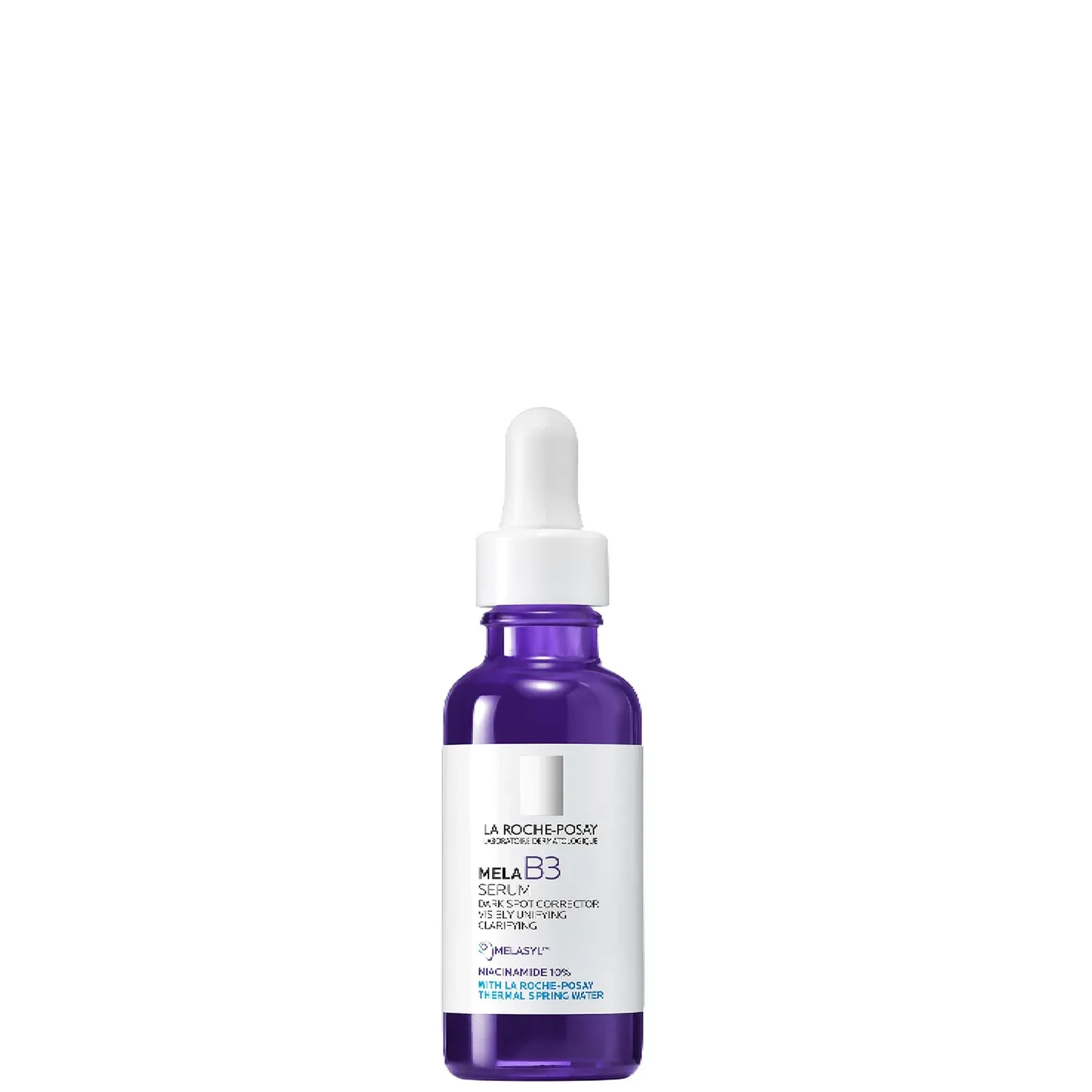
La Roche-Posay
Melab3 Serum Intense Anti-Dark Spot Serum
4. Eye Cream
Whether you use an eye cream really comes down to personal preference. For example, you may prefer to take your hyaluronic acid serum up to your eye area and forgo eye cream altogether. Or, you may prefer some additional hydration and benefits that an eye cream can bring to the eye area, particularly for dark circles or puffiness. If you want to use an eye cream, make sure to apply it before your moisturiser, helping the ingredients to absorb effectively.
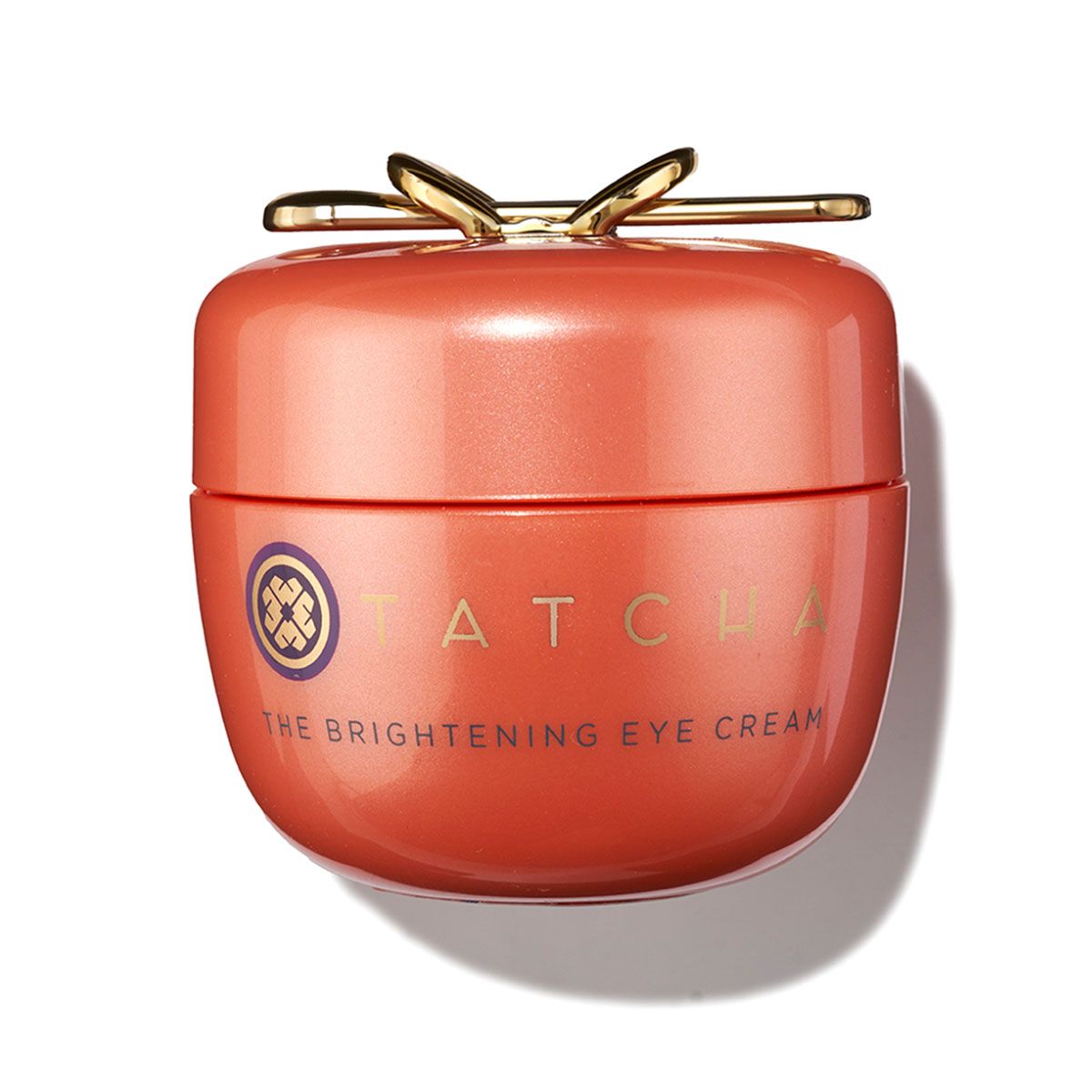
Tatcha
The Brightening Eye Cream
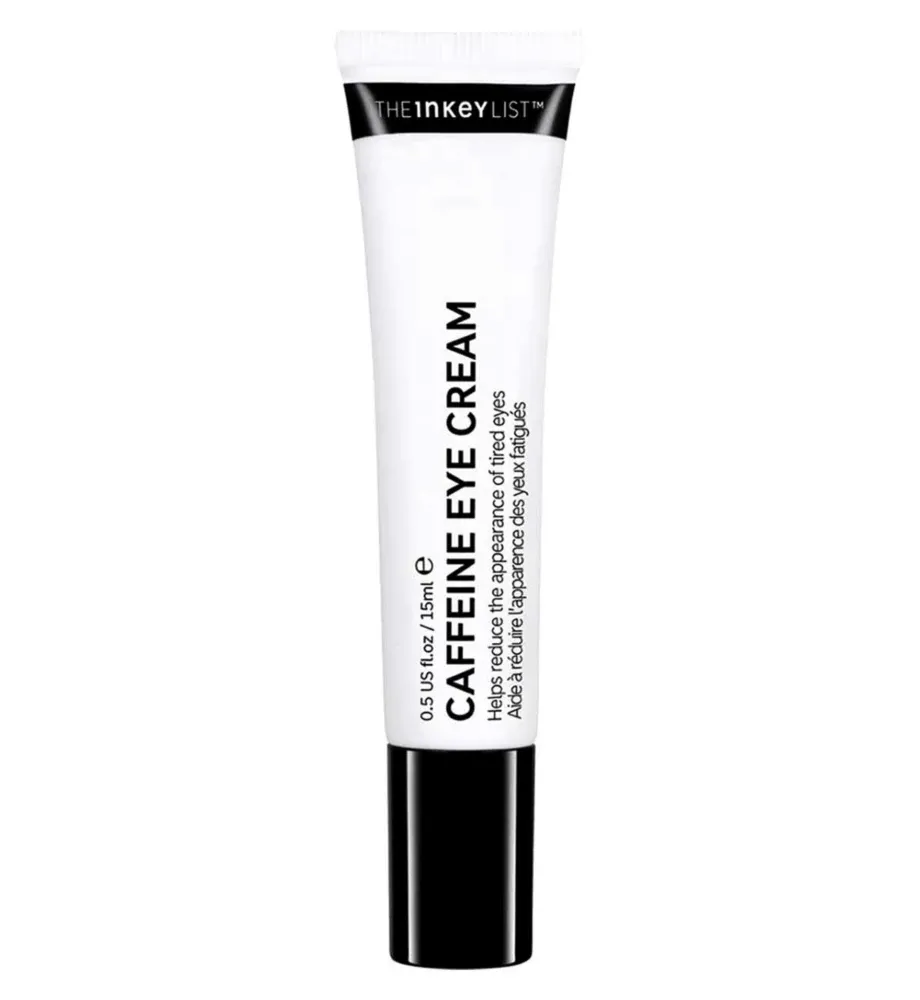
The Inkey List
Caffeine Eye Cream
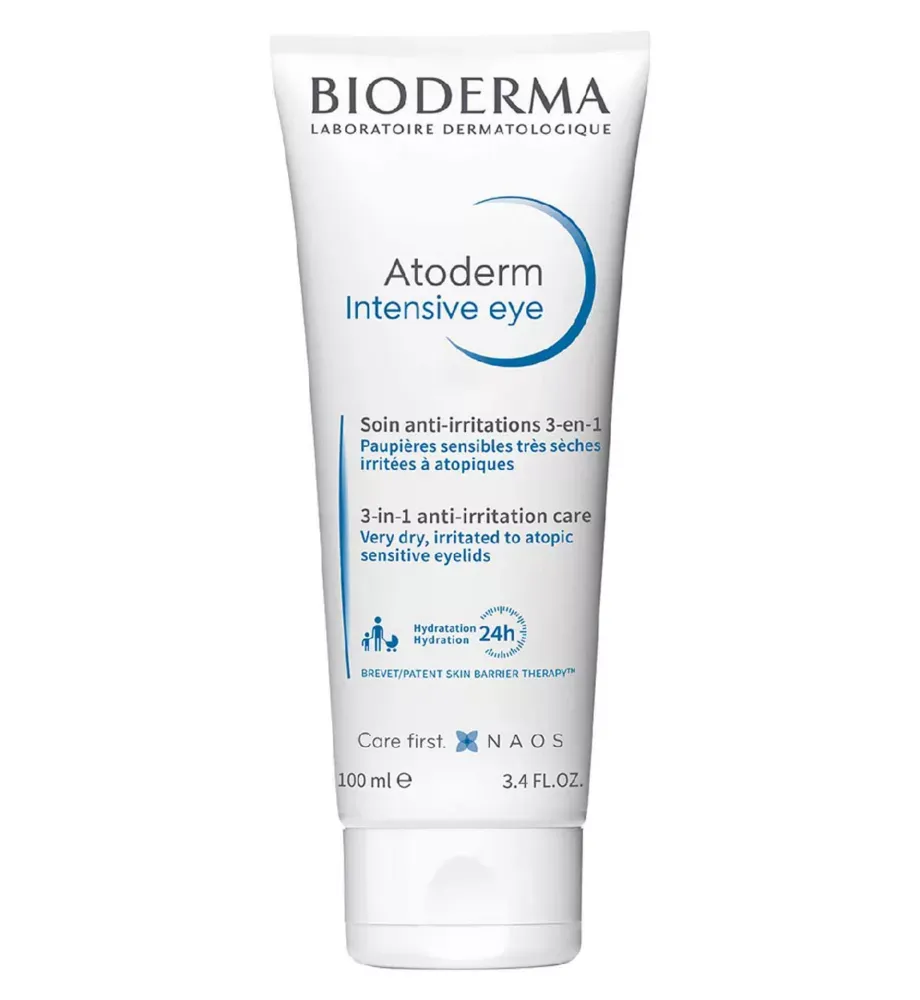
Bioderma
Atoderm Intensive Eye Cream
5. Mosturiser
Next up is your moisturiser. "To hydrate and protect the skin, you can seal in moisture with a suitable emollient or occlusive," says Hartley.
Dry skin types can benefit from a moisturiser for dry skin, which is generally more creamy and heavier in texture, while those with combination and oily skin may prefer a gel moisturiser that is lighter and more mattifying. That being said, if you feel like your skin doesn't need moisturiser, you can skip moisturiser and use your SPF instead if you find it hydrating enough.