

Retinol Alternatives: What to Use Instead of Retinol, According to an Esthetician
Retinol is one of those skincare ingredients that tends to sit in a league of its own. If you’ve spent any time in the world of skincare, you’ll know they’re often spoken about in slightly reverent tones—and for good reason. Derived from vitamin A, retinoids work by accelerating skin cell turnover and supporting collagen production, which is why they’re so commonly recommended for concerns like fine lines, uneven texture, breakouts and pigmentation. They essentially encourage the skin to behave more like a “younger” version of itself, gradually refining and resurfacing over time.
But as effective as it is, retinol is not always an easy fit. In reality, it can be quite a commitment, and as an aesthetician, I’m increasingly asked about “retinol alternatives” from clients who either can’t tolerate retinoids or simply don’t want to use them. The adjustment period alone—referred to as retinisation—can involve dryness, peeling, redness, increased breakouts and general sensitivity while the skin builds tolerance. And for some people, that simply isn’t a journey they want to take. Others may not be able to use them at all, including those who are pregnant or breastfeeding, or anyone with a compromised skin barrier or highly reactive skin.
“Someone might avoid retinol because it can cause dryness, redness, peeling or irritation, especially for sensitive skin,” says dermatologist Sonia Khorana. “It’s also often avoided during pregnancy, and some people find the increased sun sensitivity or the need for a gradual introduction annoying.”


Naturally, this has created a market for so-called “retinol alternatives”—a phrase that’s become something of a skincare buzzword in recent years. “A ‘retinol alternative’ is an ingredient that aims to provide some of retinol’s benefits—such as improving the appearance of fine lines, texture, or uneven tone but with a lower risk of irritation or sensitivity,” explains Khorana. “The exact benefits and effectiveness can vary depending on the ingredient, but I don’t personally like this wording as nothing is comparable to retinol.”
While “retinol alternative” sounds like an easy and obvious swap, the reality is far more nuanced. Retinoids are unique in how they communicate with skin cells, and very few ingredients truly do the same job in the same way. Instead, what we tend to call alternatives are usually ingredients that support the skin through different pathways—think brightening actives, gentle exfoliants, hydration boosters, or antioxidant-rich botanicals that help improve the overall look of skin over time.
So rather than thinking in terms of replacements, it’s more helpful to think in terms of support. The goal isn’t to replicate retinoids exactly, but to find ingredients that deliver visible improvements in tone, texture and radiance in a way that feels comfortable and sustainable for your skin.
Best Retinol Alternatives
- Best Azelaic Acid: Skn To Skn Multitasking Serum
- Best Bakuchiol: Medik8 Bakuchiol Peptides
- Best Peptide: NIOD Copper Amino Isolate Serum 3 1:1
- Best Niacinamide: Mimétique Skin Revive Serum
- Best Botanical Serum: Votary Super Renewal Serum
1. Azelaic Acid
Azelaic acid is one of those underrated skincare ingredients that doesn’t always get the hype of retinoids, but absolutely earns its place in a routine. Naturally found in grains like barley and wheat, it’s a multifunctional active that helps gently exfoliate the skin, unclog pores and calm inflammation. It’s particularly well known for improving the appearance of redness, post-breakout marks, and uneven skin tone, which is why it’s often recommended for acne-prone or rosacea-prone skin. While it doesn’t act on the skin in the same way as retinoids, it can still deliver some comparable visible improvements in texture and clarity—just through a different, and generally more soothing pathway. For those who find retinoids too harsh, azelaic acid often becomes a reliable alternative that feels both effective and low-irritating.

Skn To Skn
Multitasking Serum
I frequently recommend this serum to clients who are pregnant, breastfeeding, or trying to conceive, and so want a retinol alternative. It focuses on brightening skin, regulating oil production, and reducing hormonal breakouts, making it a reassuring option during pregnancy when active ingredient choices become more limited. Rather than trying to mimic retinol directly, it uses azelaic acid, as well as peptides and antioxidants, to improve skin quality over time.
Pros
- Proven to be pregnancy safe
- Gentle and suitable for sensitive skin

Dr Sam’s
Flawless Brightly Serum
A glow-boosting serum that targets uneven tone, dullness, and post-breakout marks with a well-balanced blend of brightening actives—azelaic acid being the hero. It has a lightweight, fast-absorbing texture that layers easily into both morning and evening routines. While not a retinol alternative in a direct sense, it helps deliver that same “refreshed skin” effect through gentle exfoliation and tone correction. Over time, skin looks more clarified and even, making it a strong option for those wanting radiance without retinoid sensitivity.
Pros
- Good multitasking formula which addresses multiple concerns
Cons
- May not be suitable for very sensitive skin

(Image credit: @thatgracegirl)

Naturium
Azelaic Acid 10%
A standout for blemish-prone and reactive skin, this affordable azelaic acid formula offers a gentle but effective way to improve clarity and tone. It helps reduce the look of redness, congestion and uneven pigmentation while remaining well-tolerated by most skin types. The texture is smooth and lightweight, absorbing quickly without residue. While it doesn’t function like a retinoid, it offers comparable benefits in refining skin texture and brightening tone—making it a go-to for those seeking a low-irritation alternative.
Pros
- Affordable price point
- Minimal ingredient list
2. Bakuchiol
Bakuchiol has become the most recognisable name in the “retinol alternative” conversation. As Khorana explains, “Bakuchiol is the best-known retinol alternative. A plant-derived ingredient that can help improve the appearance of fine lines, wrinkles, and uneven skin tone, often with less irritation than retinol.” Derived from the babchi plant, it’s often positioned as a gentler option for those who want visible smoothing and brightening benefits without the dryness or peeling associated with retinoids. While it doesn’t interact with retinoid receptors in the same way, it is thought to support collagen production and provide antioxidant benefits, helping skin appear more even and refined over time. It’s especially appealing for sensitive skin types or anyone wanting a slower, more comfort-led approach to skin renewal.

Medik8
Bakuchiol Peptides
A clever blend that combines bakuchiol with peptide technology to support smoother, more refined-looking skin. It’s designed for those who want a retinol-inspired routine without the associated sensitivity. The serum feels silky and nourishing but not heavy, making it suitable for both morning and evening use. Over time, skin appears more even and plump, with a focus on gentle, consistent improvement rather than aggressive resurfacing. A great entry point for retinoid-curious but sensitive skin types.
Pros
- Combines multiple effective ingredients
- Ideal for those concerned with signs of ageing
Cons
- May not be the most effective options for congested and breakout-prone skin

Allies of Skin
CE15 Bakuchiol Firming Oil
This luxurious facial oil pairs bakuchiol with a high-strength antioxidant complex to target firmness, radiance, and overall skin vitality. It feels rich without being greasy, sinking in beautifully and leaving a healthy glow. While it doesn’t replicate retinoid activity, it supports smoother, more resilient-looking skin through antioxidant protection and nourishment. Best suited to drier or more mature skin types, it’s a comforting, glow-enhancing option for those who want visible softness and luminosity.
Pros
- Very expensive price point
- Luxurious texture, ideal for dry and mature skin
Cons
- Oil formula doesn’t sit well under makeup
- May not be suitable for breakout-prone and congested skin

A lightweight serum designed to brighten, smooth, and revitalise tired-looking skin. It focuses on hydration and gentle resurfacing to create a more even complexion over time. The texture is fresh and fast-absorbing, making it ideal for layering. While not a retinol replacement, it helps deliver a similar “skin reset” effect through consistent use. Particularly good for those who want a simple, everyday glow-boosting step without irritation or complexity.
Pros
- Affordable price point
- Feels nourishing for dry skin
Cons
- Oil texture may not sit well under makeup
3. Peptides
Peptides are also often included in “retinol alternative” conversations, although again, they don’t actually function in the same way as retinoids. As Khorana explains, “Peptides are not true retinol alternatives, as they work differently, but they help support skin firmness and smoothness by signalling the skin to produce more collagen, and are often well tolerated by sensitive skin, so are great if you can’t use retinol.” These short chains of amino acids act as messengers within the skin, encouraging processes that support repair, strength, and resilience. Rather than speeding up cell turnover like retinoids, peptides focus on reinforcing the skin’s structure over time, which can help improve the appearance of firmness and smoothness.

NIOD
Copper Amino Isolate Serum 3 1:1
This highly technical serum is known for its focus on skin repair and resilience rather than traditional exfoliation or retinoid-style renewal—I particularly love recommending it to clients who want to address signs of skin ageing without the risk of irritation. The formula supports skin regeneration pathways and helps improve the appearance of firmness and texture over time.
Pros
- Very impressive results with long term use
Cons
- Small bottle doesn’t last very long

(Image credit: @thatgracegirl)
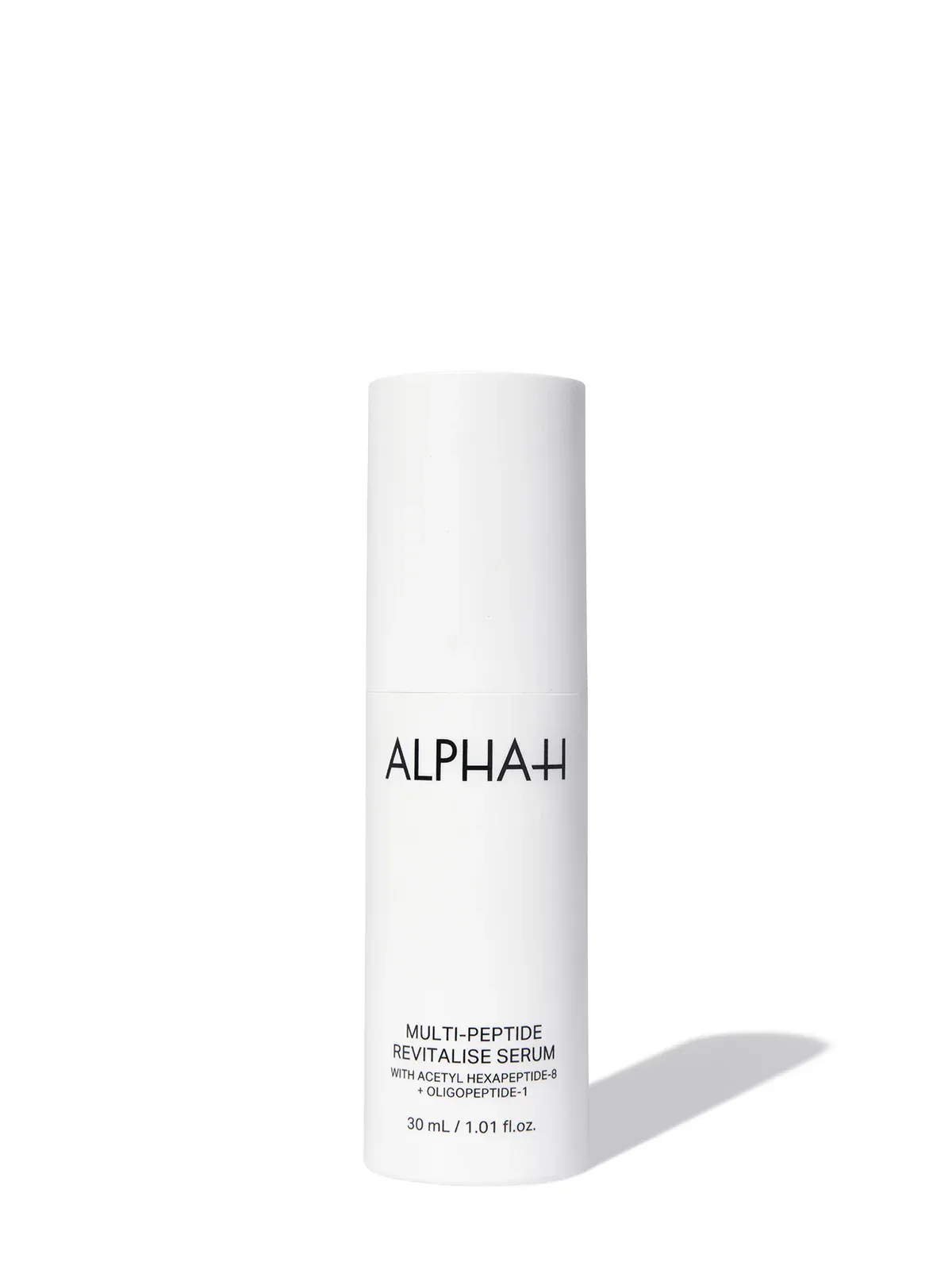
Alpha-H
Multi-Peptide Revitalise Serum
This multi-peptide serum is designed to visibly smooth, plump and support firmer-looking skin—it focuses on strengthening skin over time rather than stimulating rapid turnover, but this makes it ideal for sensitive or retinoid-intolerant skin types. The texture is silky and hydrating, making it an easy step to slot into almost any routine. With consistent use, I found my skin appears more even, hydrated and refined.

(Image credit: @thatgracegirl)
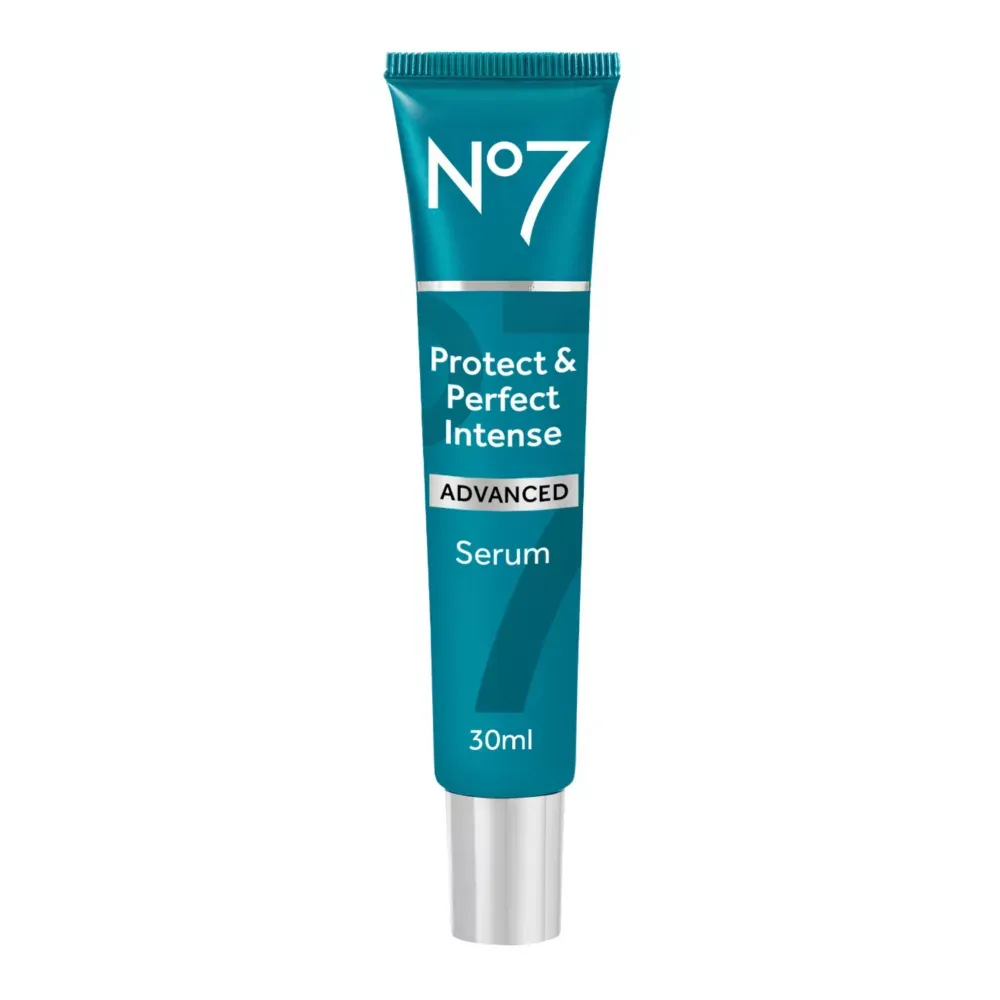
No7
Protect & Perfect Intense Advanced Serum
This classic high-street serum has stood the test of time, retaining loyal users through its impressive long-term results. It targets early signs of ageing with a blend of peptides and antioxidant technology, working more through support and protection than retinoid-like cell turnover. Over time, it helps skin look smoother, more hydrated, and more even, making it an accessible entry point into preventative skincare.
Pros
- Affordable price point and often on offer
- Easy to get hold of
- Impressive long term results
Cons
- Small tube doesn’t last very long
4. Niacinamide
Niacinamide is one of the most widely loved multitaskers in skincare, and while it isn’t a direct substitute for retinoids, it can help address some overlapping concerns. It supports the skin barrier, improves moisture retention, helps regulate oil production, and can gradually refine the appearance of pores and uneven tone. This makes it especially useful for creating a calmer, more balanced complexion over time. Unlike retinoids, it doesn’t rely on increasing cell turnover, which means it’s generally well tolerated even by sensitive or reactive skin types. Instead, it works more indirectly—strengthening the skin so it functions better overall, which can lead to a smoother, more even look with consistent use.

Mimétique
Skin Revive Serum
Mimétique is a new brand to me, but I was particularly impressed by this gentle, skin-conditioning serum, which is designed to support barrier health, hydration, and overall skin comfort. It has a soft, fluid texture that layers effortlessly with other products. Rather than mimicking retinoids directly, it focuses on improving skin quality through calm, consistent nourishment, which makes it ideal for sensitive or compromised skin. It helps reduce the appearance of dryness and uneven texture over time, creating a more balanced and resilient complexion.
Pros
- Very gentle and suitable for sensitive skin
Cons
- Small bottle doesn’t last very long
- Not widely available

Medik8
Niacinamide Peptides
This luxurious and refined niacinamide formula focuses on calming, balancing, and strengthening the skin barrier. The texture is elegant and lightweight, absorbing quickly without residue. It helps refine the appearance of pores, even out tone, and reduce excess oil production over time. While not a retinol alternative in a direct sense, it supports many of the same visual goals—smoother, more even skin—just through barrier support rather than stimulation.

(Image credit: @thatgracegirl)
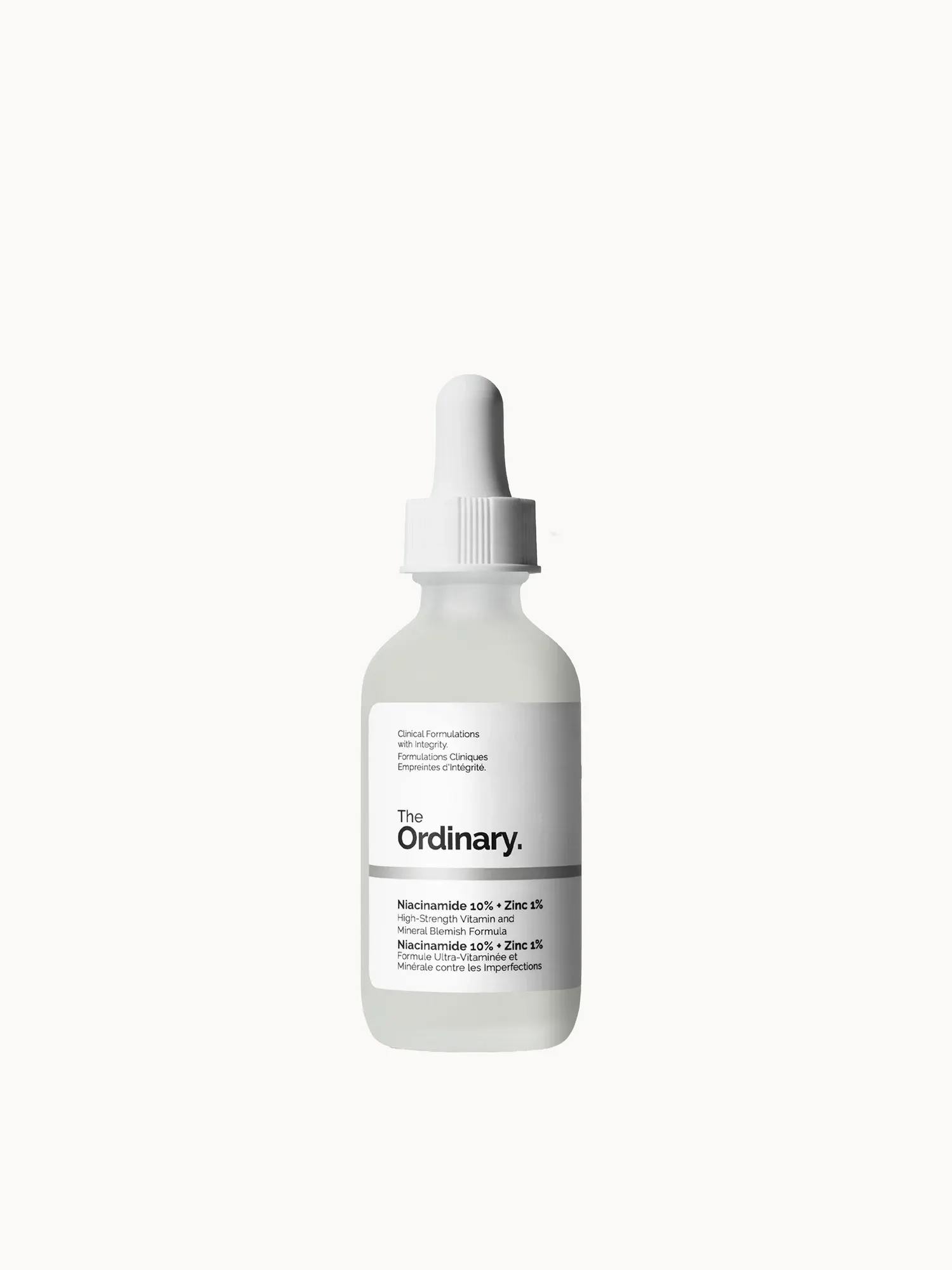
The Ordinary
Niacinamide 10% + Zinc 1% Serum
Those on a budget will appreciate this no-frills, highly effective serum designed to target oiliness, congestion and uneven tone. It has a slightly tacky texture but delivers noticeable results with consistency. Niacinamide helps improve overall skin clarity and balance, while zinc supports oil regulation. It doesn’t replicate retinoid activity, but it can help create a smoother, more refined complexion over time, especially for breakout-prone skin types looking for simplicity and effectiveness.
Pros
- Affordable price point
- Widely available
5. Botanical Extracts
“Some botanical extracts are marketed as ‘retinol-like’ because they may support skin renewal and improve signs of ageing, though the evidence is generally less extensive than for retinol,” says Khorana. This is an important distinction, as the effectiveness of botanical ingredients can vary significantly depending on the plant and formulation. While they don’t replicate the cellular activity of retinoids, they can help support overall skin health and radiance, particularly through antioxidant protection and calming effects, making them a softer, supportive option in a routine.

Votary
Super Renewal Serum
A nourishing, plant-oil-based serum that focuses on renewal through gentle exfoliation and skin conditioning. It feels rich and comforting, making it especially suitable for dry or dehydrated skin. Rather than mimicking retinoids, it encourages radiance and smoothness through botanical actives and oils. Over time, skin appears more luminous, soft, and even, with a focus on comfort and barrier support rather than intensity.
Cons
- Expensive price point
- Oil texture may not sit well under makeup

KAMA AYURVEDA
Amarrupa Cream
This rich Ayurvedic-inspired cream focuses on hydration, nourishment and skin revitalisation. It has a comforting, balm-like texture that works particularly well for dry or depleted skin. The formula is rooted in botanical ingredients traditionally used to support glow and skin vitality. So while it’s not a retinol alternative in a clinical sense, it helps improve the appearance of softness, radiance, and overall skin health through a combination of active botanicals and deep moisture support.
Pros
- Cream formulas is ideal for dry and sensitive skin
Cons
- Not widely available
- Expensive price point

(Image credit: @thatgracegirl)

IRÄYE
Radiance Firming Serum
A bit of an insider’s secret, this lightweight serum is designed to boost radiance and support a firmer-looking complexion over time by supporting the skin’s lymphatic system. The focus is on improving skin glow and elasticity through consistent use rather than aggressive resurfacing, so while it doesn’t replicate retinoids, it offers a gentle, supportive approach to smoother, more luminous skin with continued use.
Pros
- Supports lymphatic drainage
Cons
- Not widely available
- Expensive price point

(Image credit: @thatgracegirl)
How We Tested
To create this guide, I reviewed a range of dermatological insights and scientific literature on commonly used retinol alternatives. I also considered how these ingredients are used in real skincare routines, including their tolerability, ease of use, and suitability for different skin types and concerns. Recommendations were shaped by both my professional aesthetician experience and dermatologist input, focusing on ingredients that are widely available, well-studied where possible, and commonly recommended for sensitive, pregnancy-safe, or retinoid-intolerant skin.
Why Trust Us
At Who What Wear UK, we know that beauty isn’t one-size-fits-all. Our editors have tested thousands of products, including skincare, makeup, hair and nails, over the years and work closely with trusted experts—dermatologists, make-up artists and leading industry insiders—to ensure every guide is well-researched, inclusive and relevant to you.
We focus on formulas that deliver, whether they’re affordable favourites or luxury investments. Our product selection is based on tangible results, ingredient know-how and what we’d truly recommend to a friend.